
Disaster relief, flight experience: Hands-on opportunities in Civil Air Patrol Cadet Program
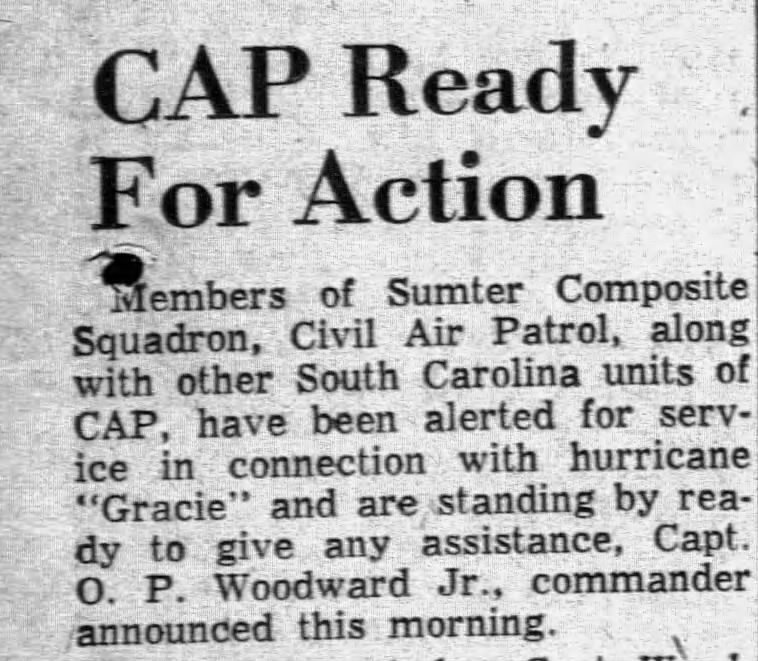
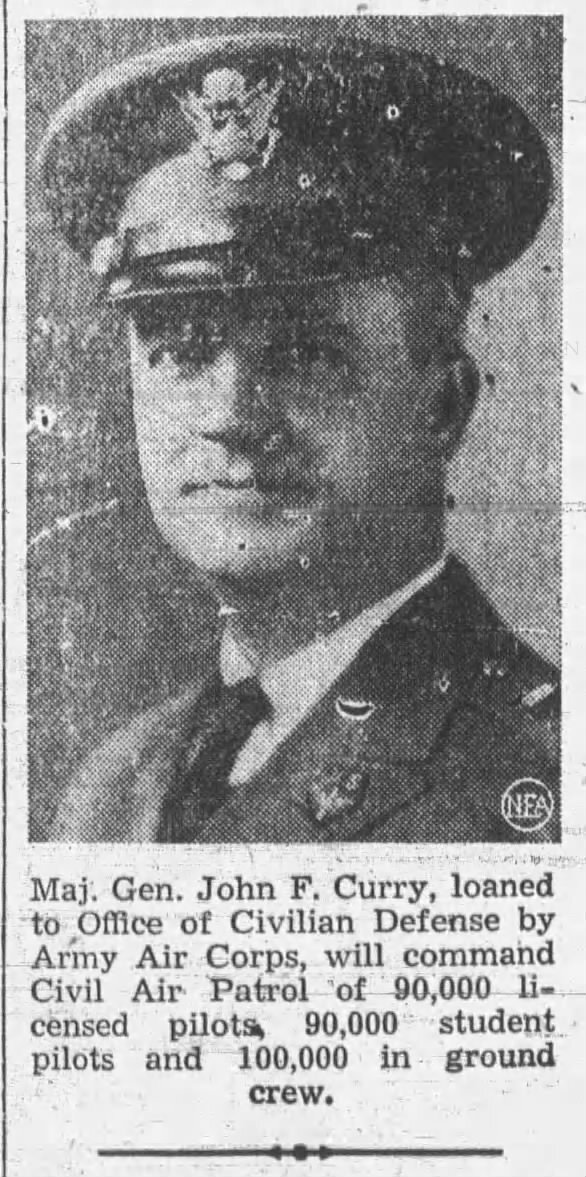
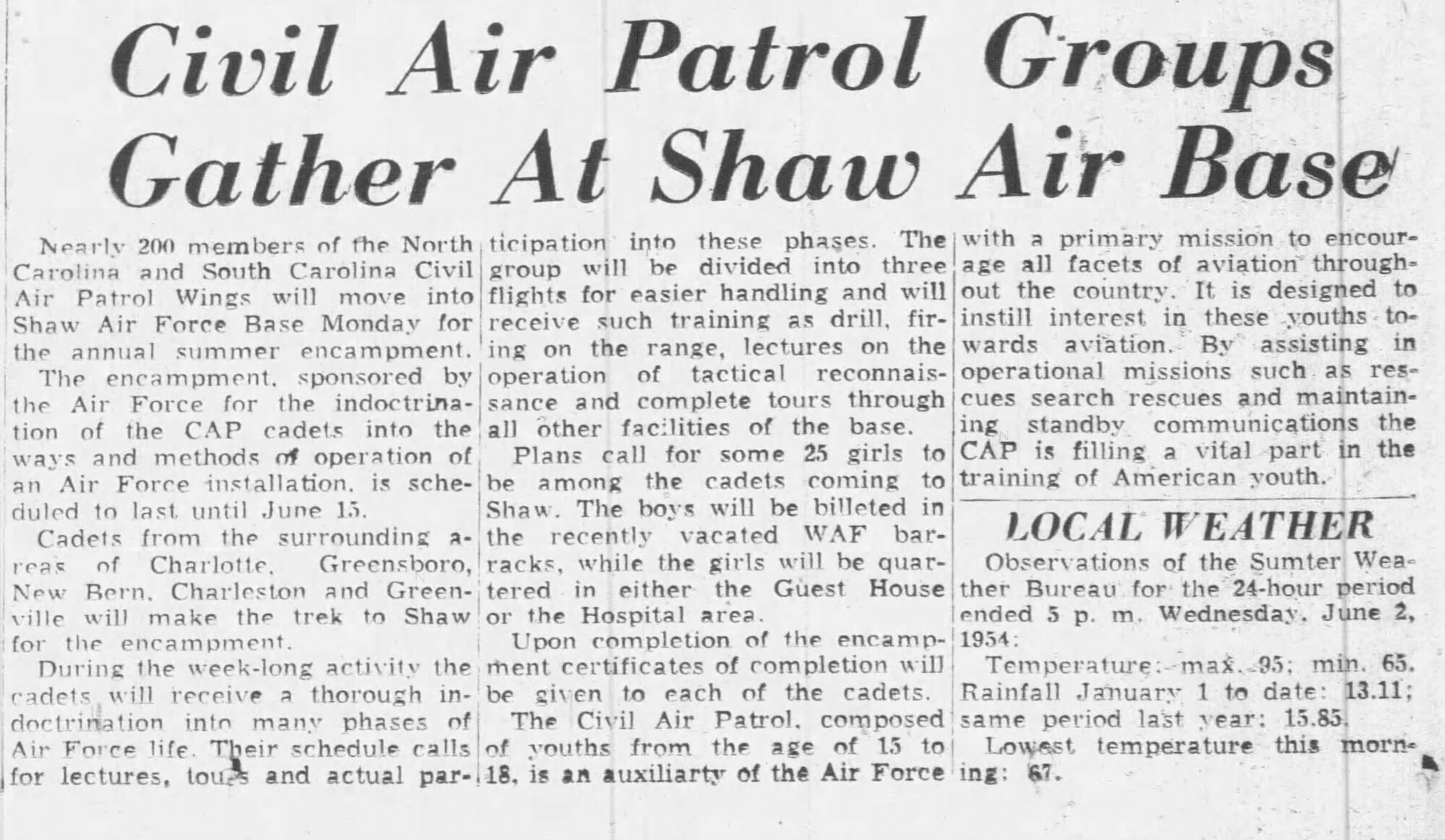
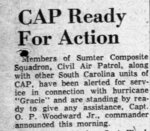
The Sumter Item first included coverage of the Civil Air Patrol, the civilian auxiliary for the U.S. Air Force and a federally chartered nonprofit corporation, shortly after it was publicly announced in 1941. In 1942, it was expanded to include a Cadet Program for ages 15 to 18. Experiential hands-on learning continues today for cadets as young as 12, including at Sumter Composite Squadron, amid the CAP Cadet Program's curriculum focused on leadership, aerospace, fitness and character.
MORE ABOUT CAP
The U.S. Air Force has the Civil Air Patrol - United States Air Force program office, or CAP-USAF, for its cooperative agreement with CAP. CAP has a wing in each state, Puerto Rico and the District of Columbia, as well as squadrons on U.S. bases across Europe, Guam, Japan and Korea. While civilians are encouraged to join CAP, its organization pattern and rank structure is akin to the Air Force. Wings are divided into groups, squadrons and flights. Squadrons have three compositions: cadet squadrons, senior squadrons and composite squadrons with both cadet and senior member programs.
CAP's Cadet Program serves youth interested in a career in aviation, space, technology, leadership or the military. Cadets join at 12-18, while cadet status can be retained until they are 21.
A military service career afterward is not a requirement, but is a frequent choice, with the chance to enlist in the Air Force at an advanced grade, eligibility for different scholarships and CAP service seen as an asset by ROTC and service academies; 10% of U.S. Air Force Academy cadets started in CAP.
REAL-WORLD PERSONAL AND PROFESSIONAL DEVELOPMENT
1. Flying time
The primary appeal of CAP for cadets is a passion for flying, according to CAP surveys. According to CAP's website, in addition to classroom instruction, each cadet under 18 is allowed up to five free orientation flights in which they are in the front seat and can temporarily control the aircraft, while there is no limit to the number of backseat flights they can participate in. CAP adult members fly the planes, and each flight has a curriculum-based theme. CAP also flies orientation flights for teachers, Air Force ROTC and Air Force JROTC cadets.
Further advancement opportunities include National Cadet Special Activities, seven- to nine-day training activities when cadets can focus on civil engineering, pararescue and survival, robotics, medical training, space operations and more.
2. Emergency response
Service is prioritized for cadets across the many programs offered. One such offering is contributing to CAP's emergency services, executed by adults and cadets alike in CAP, according to CAP's website. Classroom instruction is complemented with field exercises to prepare responders for events like missing persons and natural disasters.
For instance, after Hurricane Helene in 2024, the CAP response involved half its wings collaborating virtually, in the air and on the ground in collaboration with emergency management agencies, federal and state. Members of the South Carolina Wing worked with wings from other states and together distributed more than 1,000,000 bottles of water and 88,000 MREs. CAP uses scientific equipment mounted to its manned aircraft as well as small Unmanned Aerial Systems (sUAS) to help with search and rescue and recovery, assistance coordination, damage assessment and more.
CAP Sumter Composite Squadron Commander Capt. Londa Stanley said the group has air and ground teams that respond for emergency services, such as observing water levels from hurricanes, monitoring traffic by air and conducting search-and-rescue operations for lost hikers. Its aircraft and ground transport will be included when they participate in the Shaw Air & Space Expo in March.
CAP's collaborations are diverse, and its science initiatives go well past emergency response. Members have partnered with NASA on solar eclipse science projects for youth, for instance; CAP Solar Eclipse Classrooms collected data that went to NASA's GLOBE Eclipse project.
WREATHS ACROSS AMERICA
Civil Air Patrol was one of Wreaths Across America's first partners; it's fundraised alongside them since 2006, and between 2018 and 2024, more than 400 CAP squadrons collected sponsorships sufficient to place almost a half-million wreaths on veterans' headstones.
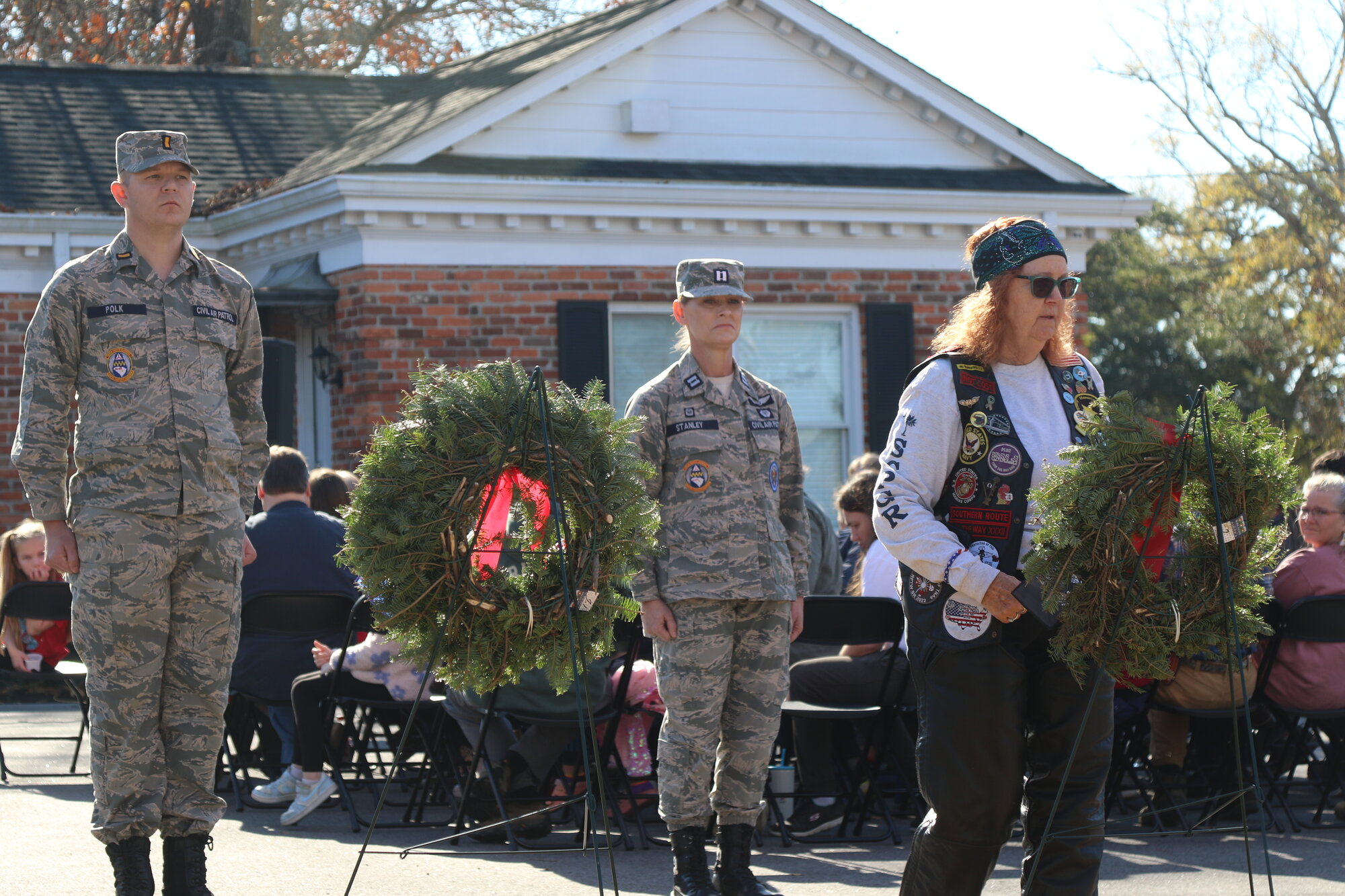
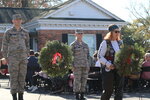
In December 2025, the Sumter Composite Squadron of the Civil Air Patrol held its 18th Wreaths Across America ceremony at Sumter Cemetery. Deputy Commander for Cadets Second Lt. Ryan Polk shared his ethos for training the cadets to care for their appearance and prepare diligently for the ceremony, in which cadets placed ceremonial wreaths for branches of the U.S. military and afterward distributed wreaths to attendees for them to place on veterans' graves.
"They may not be in Civil Air Patrol for the next stage of their lives," he said afterward. "I know being in my sphere of influence that how you present yourself, how you conduct yourself and how you treat others with our core values, our respect, it does leave a lasting impression, and hopefully the way we can send them off into the world is with a good one."
The Sumter Composite Squadron's aircraft and ground transportation will be included in its appearance at the Shaw Air & Space Expo, which is from March 28-29 and will feature the United States Air Force Air Demonstration Squadron, the Thunderbirds, as headliners.
Request information about Sumter Composite Squadron on its website at https://tinyurl.com/CAPSumter.