
Past is Present, presented by Sumter Museum: Curator, historian Sammy Way’s lifetime of sharing military history takes shape in new museum


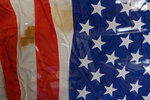
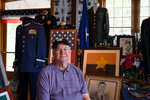

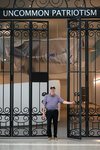

Uncommon Patriotism is a common occurrence in Sumter.
You'll find it in the stories passed down through families, in the names etched in monuments, in the veterans who remain active in the community and in those who spend their lives making sure those stories aren't forgotten.
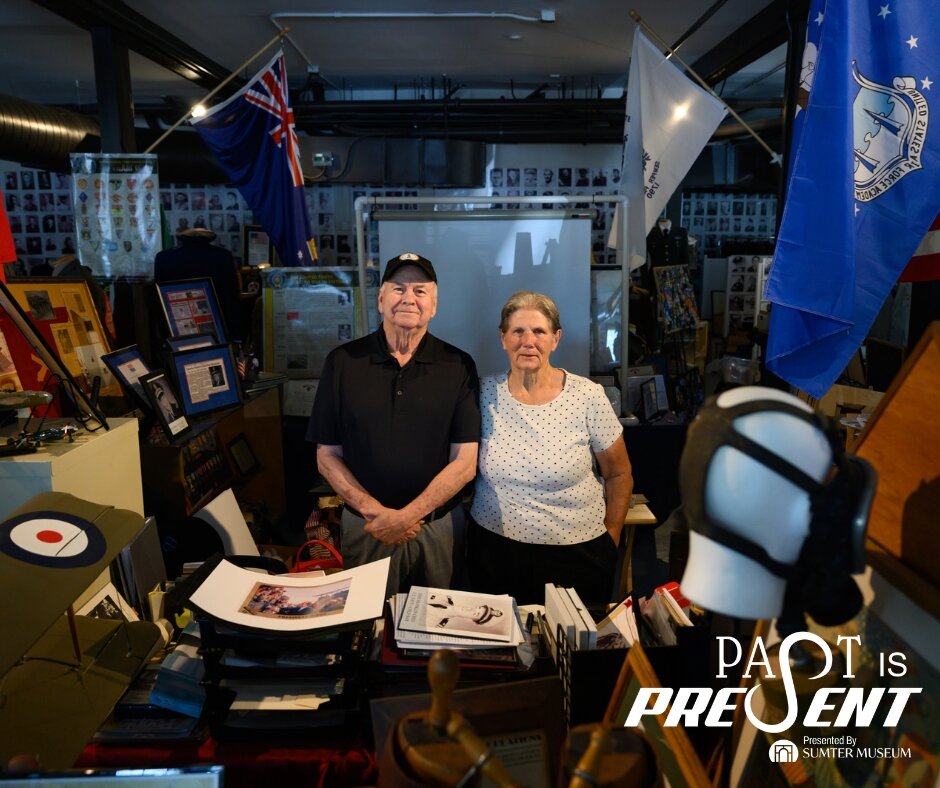
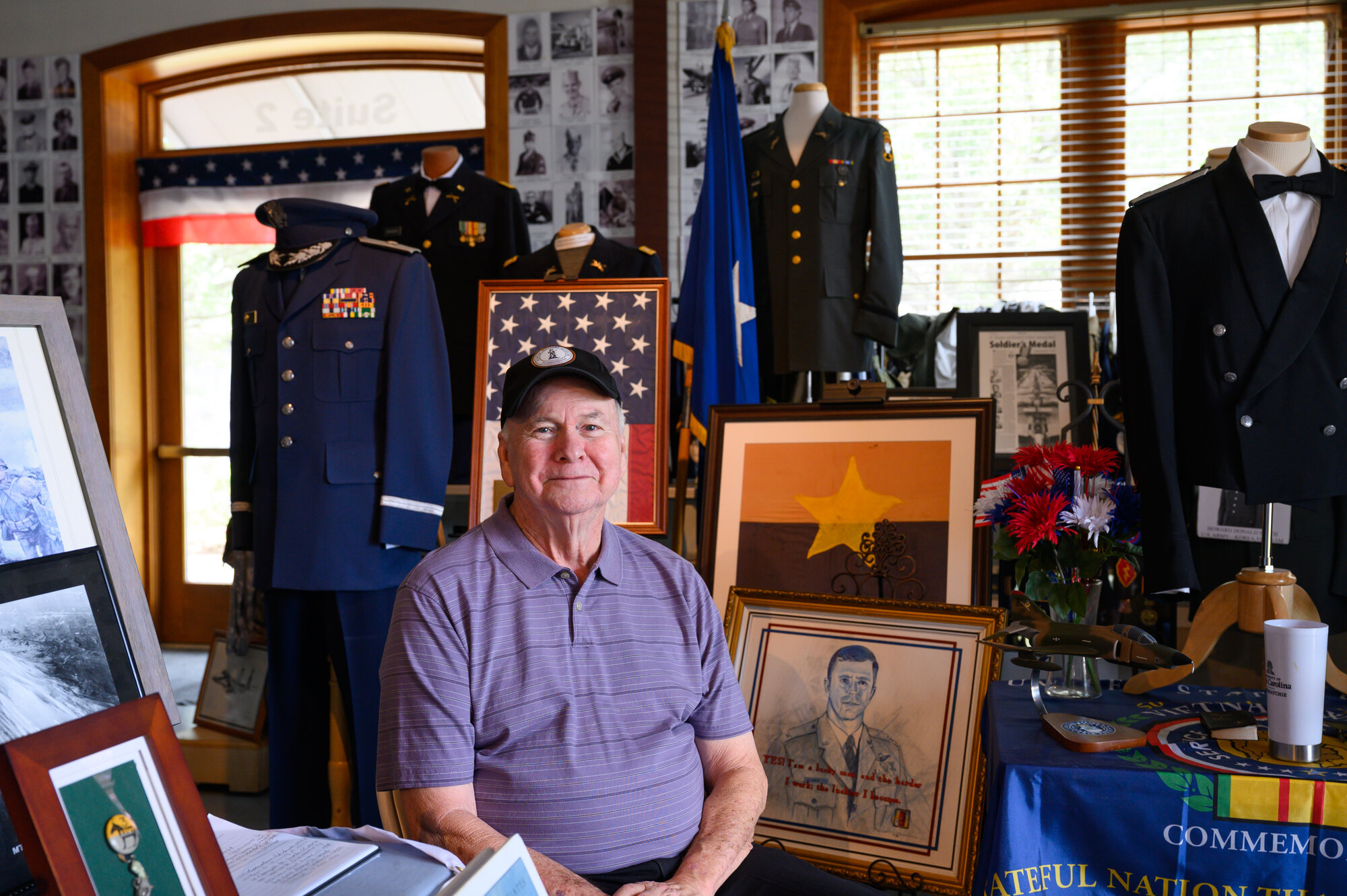
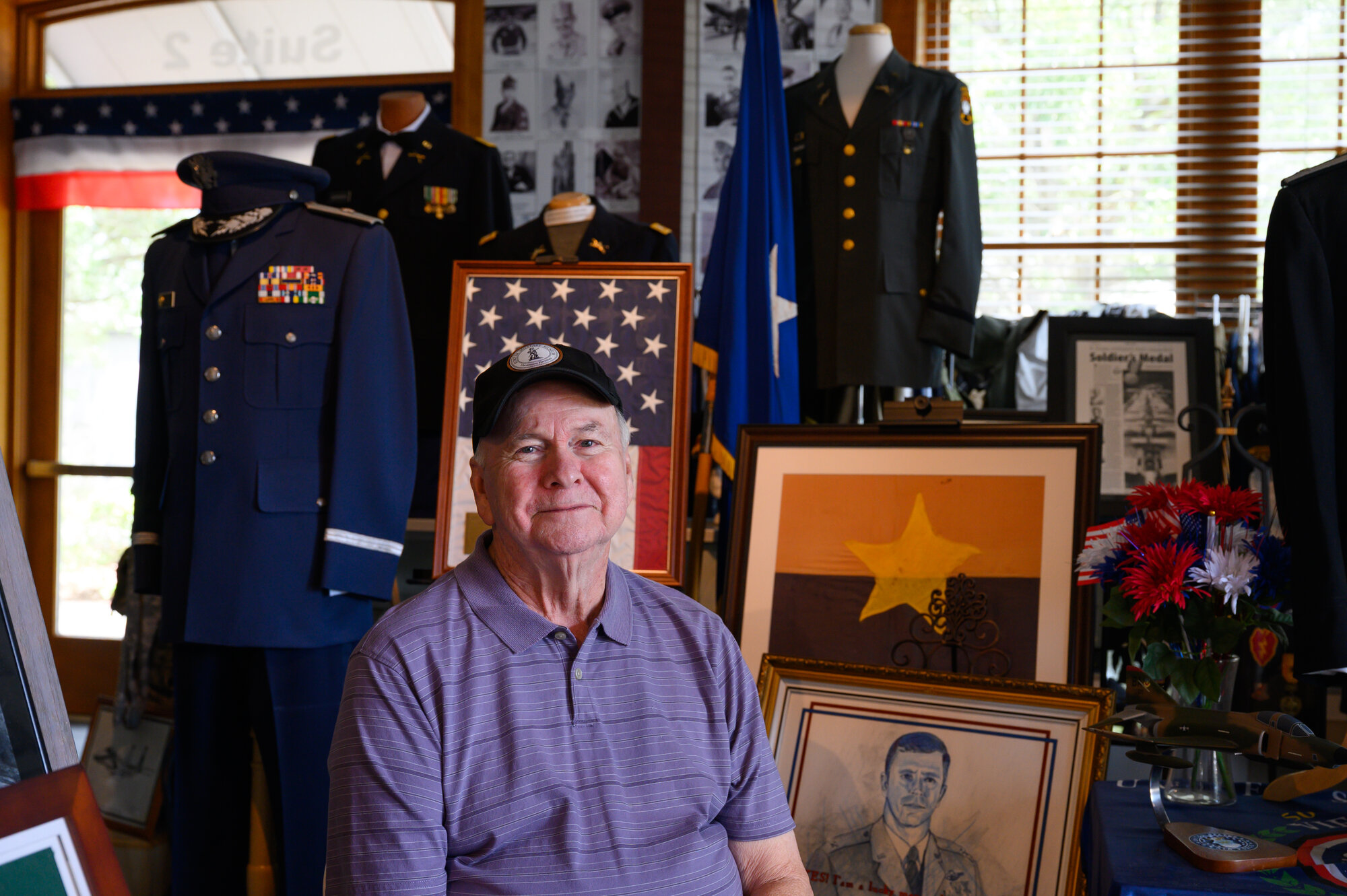
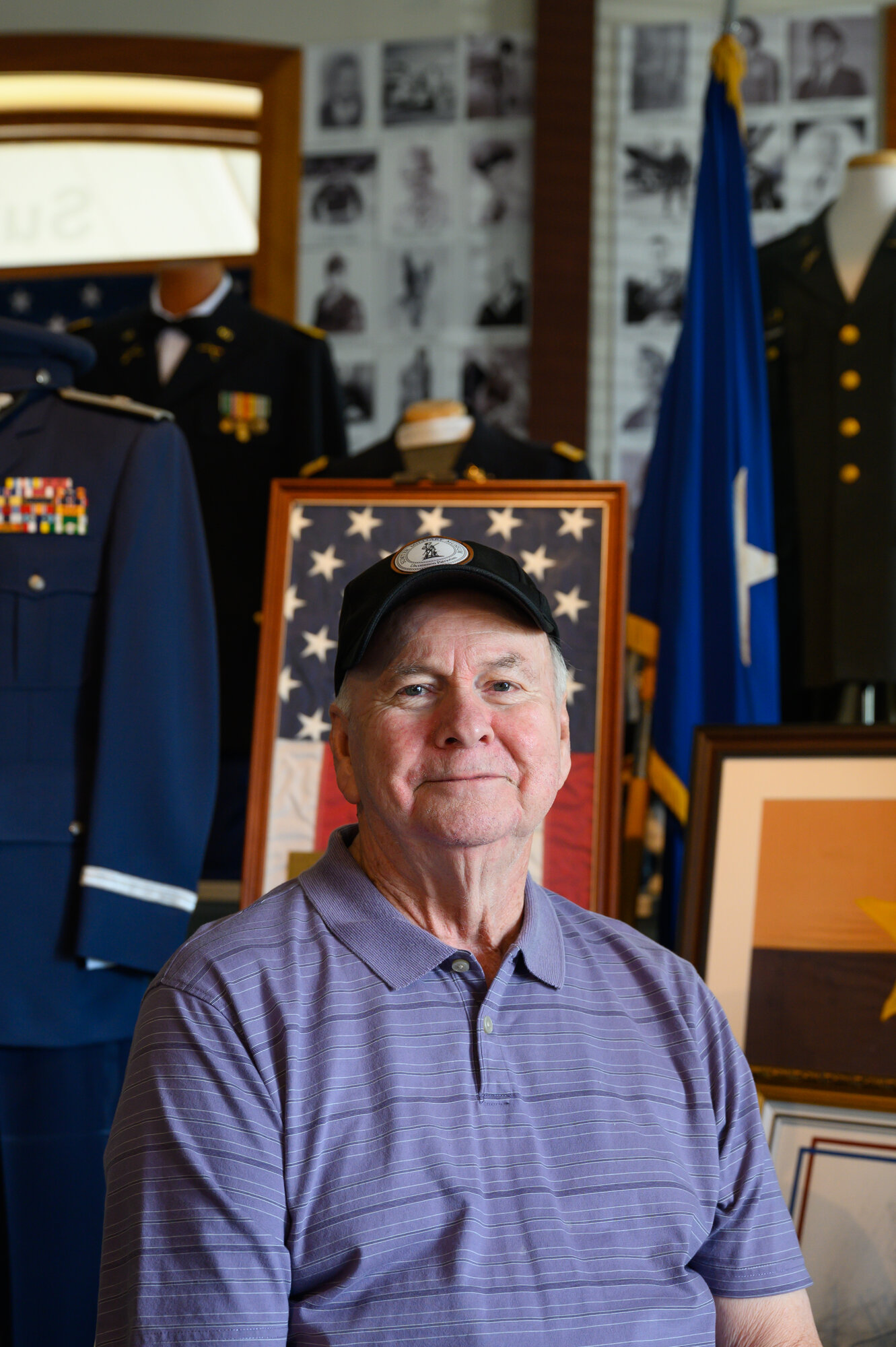
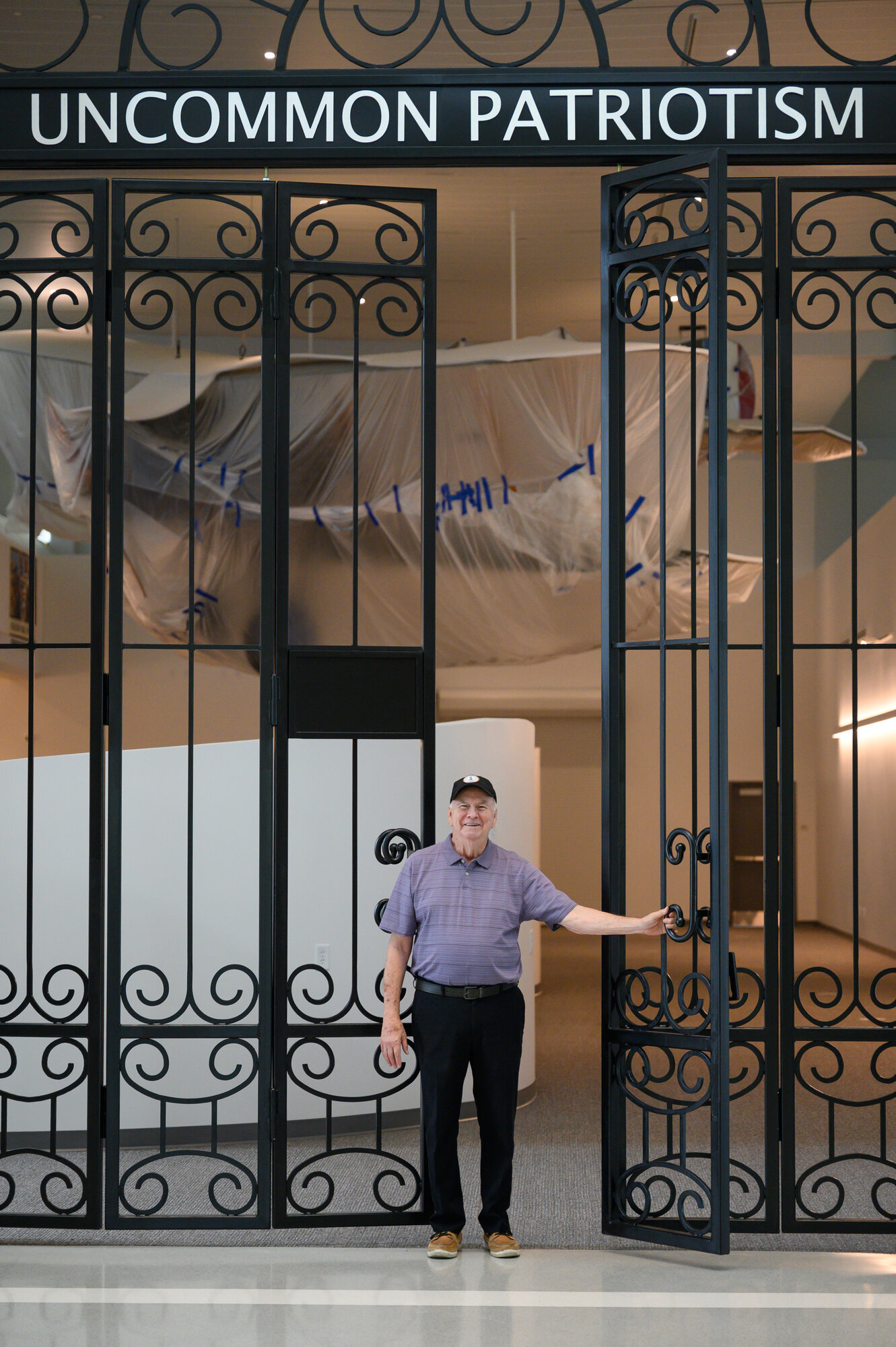
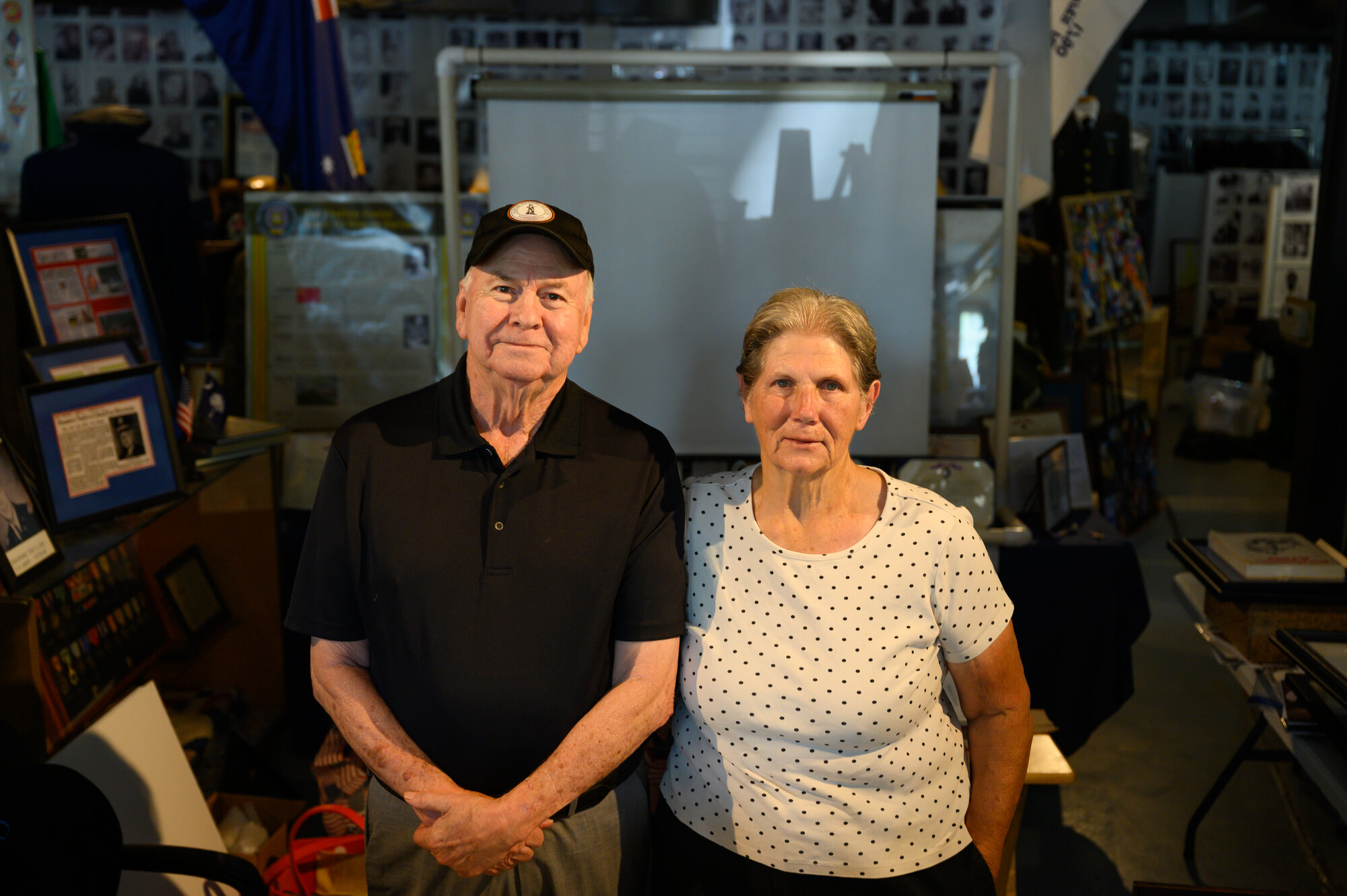
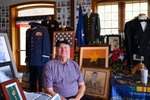
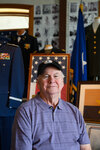
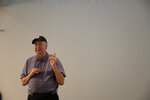
But there is no display of Uncommon Patriotism quite like the one taking shape in downtown Sumter: the Sumter Military Museum. For Sammy Way, the mind behind the new milestone in Sumter's preservation of history, the project is the culmination of a lifetime spent collecting those stories and represents something his younger self could hardly have imagined.
Born along the county lines of Clarendon and Sumter, Way has considered Sumter as home for decades. His father died two weeks before his birth, so he was reared by his grandparents. From a young age, he learned the discipline that came with working for what you want. His family worked the land, growing tobacco, cotton and tomatoes. Alongside work ethic, his grandfather taught him something else: be kind to people, regardless of who they were.
As he grew older, Way attended several local schools and encountered coaches, teachers and other adults who encouraged him to become the best version of himself. It was during those years that he developed a love for reading and interest in history.
He went on to attend the University of South Carolina, and after a period away from the area for military service, he spent 38 years teaching, carrying that interest of history into the classroom with his "Hands-on History" classes. His doctoral work focused heavily on the idea that physically doing an activity helps people retain what they learn.
That knack for teaching history would share a new purpose after Way met Hubert D. Osteen, the late owner of The Sumter Item. Osteen persuaded Way to stay in Sumter and placed him in charge of the publication's archives. It would be a segue into establishing programs around historical reflections and "Yesteryear." The goal was to use the newspaper archives to uncover Sumter's history.
That tactical and local approach to appreciating and retaining history became the foundation for the military museum. Sumter's military history dates back centuries. As far as Way can recall, the community's enlistment response to World War II was remarkable, as nearly 5,000 served. Way felt the legacy of the men and women who served in any capacity of the military should be shared beyond the walls of their family homes.
Way and his wife, Rita, realized during his teaching years that many students did not know a local ordinance that allowed streets to be named after people from Sumter who were killed in action. He took students on tours, sharing the history behind the names that designated some of the city's roads and lanes. Like Dorn Street, named after Capt. Olin G. Dorn Jr., who was posthumously awarded the Bronze Star for his leadership, courage and sacrifice during World War II. Or Army Pvt. Joseph Franklin Mooneyham, for whom Mooneyham Road is named, who was killed in action in the initial battles to liberate Belgium from Germany. The students did research of their own and discovered that only 68 names were initially identified. Surely, there were more. Way raised his concern with Dewey Dunlap and was told that if he brought a name, he'd give the person a street. Ultimately, 233 "Hero Streets" were identified in Sumter. It was clear: history was already at their fingertips. They just had to learn how to look at it.
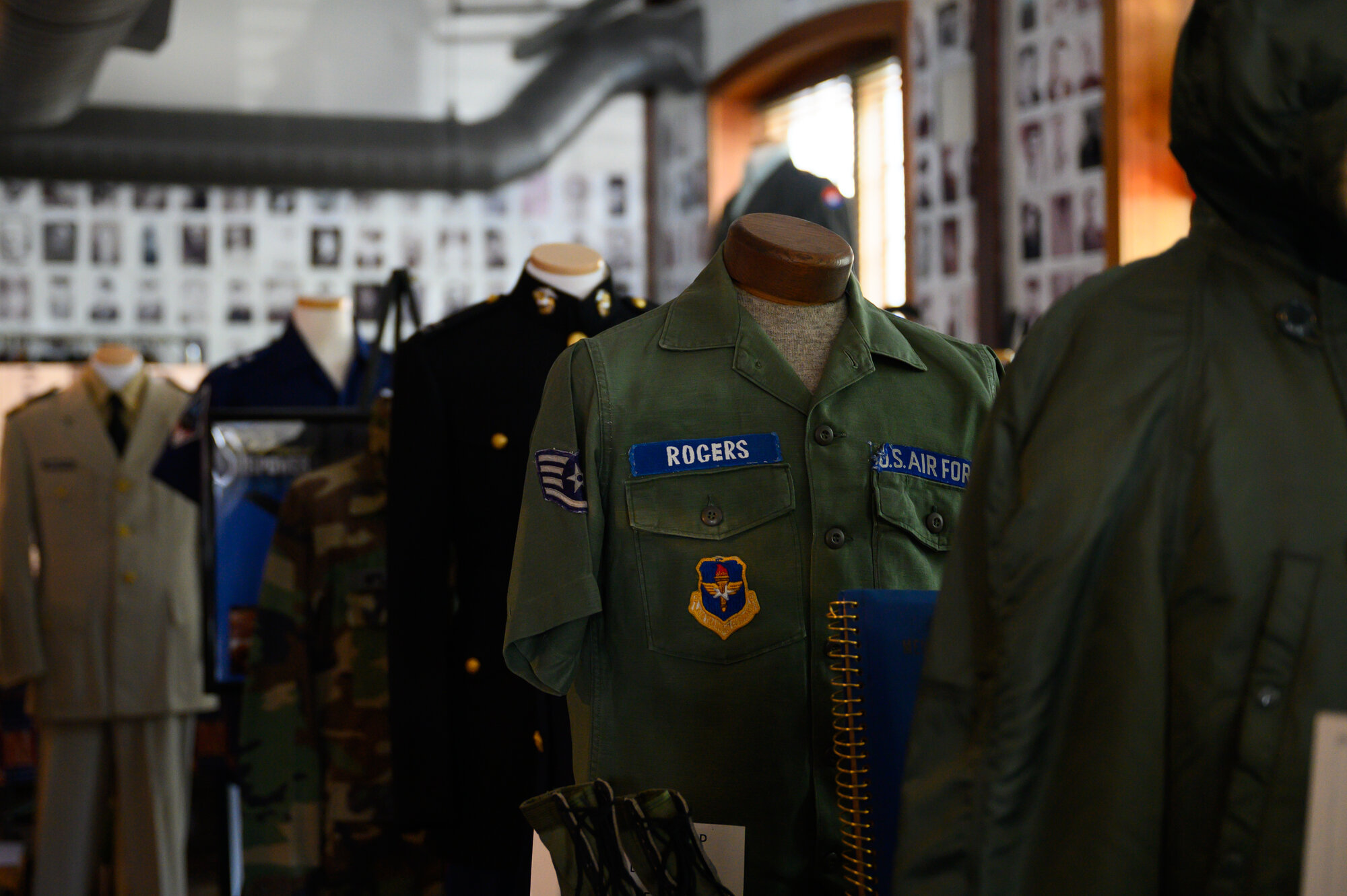
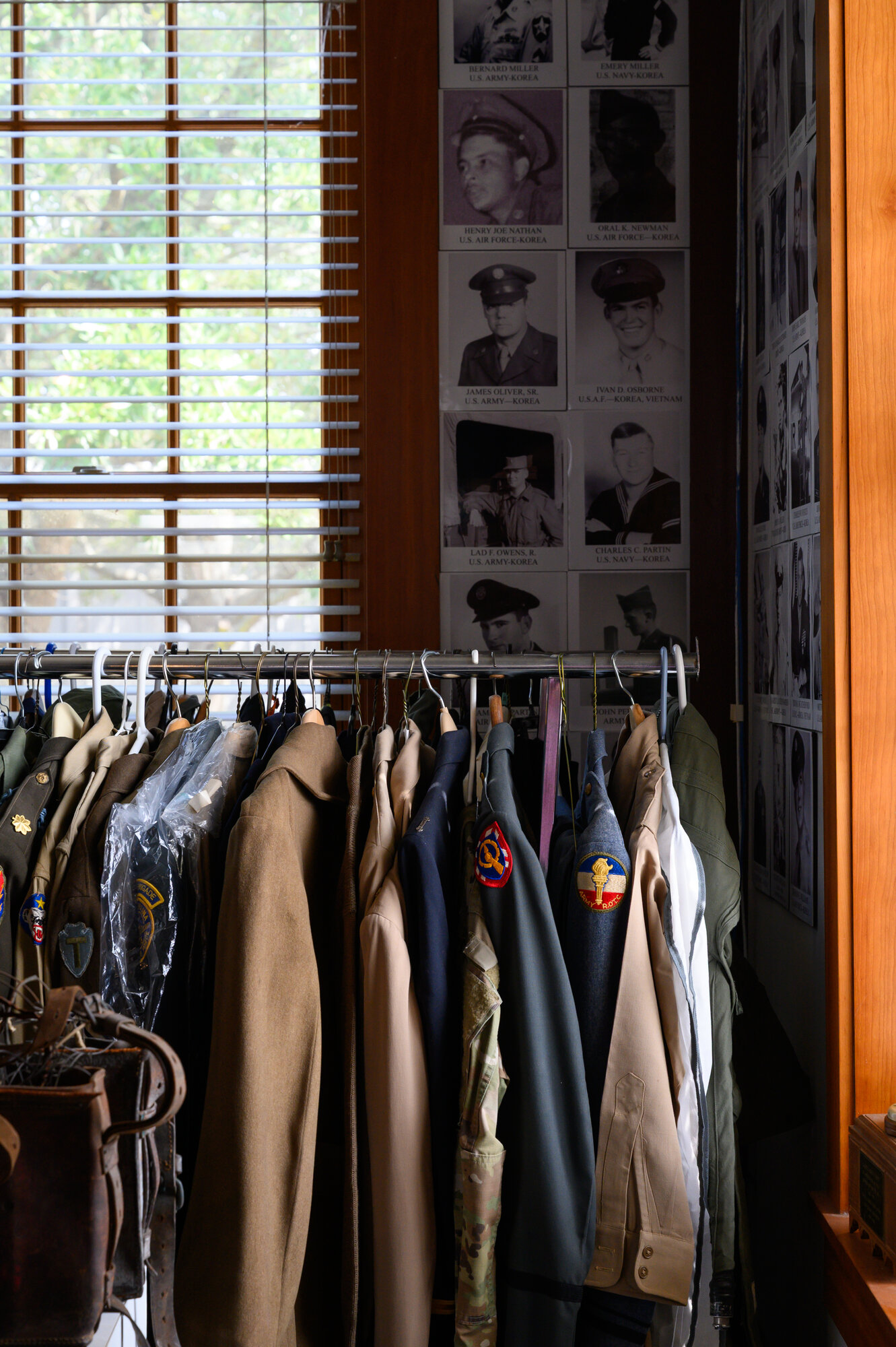
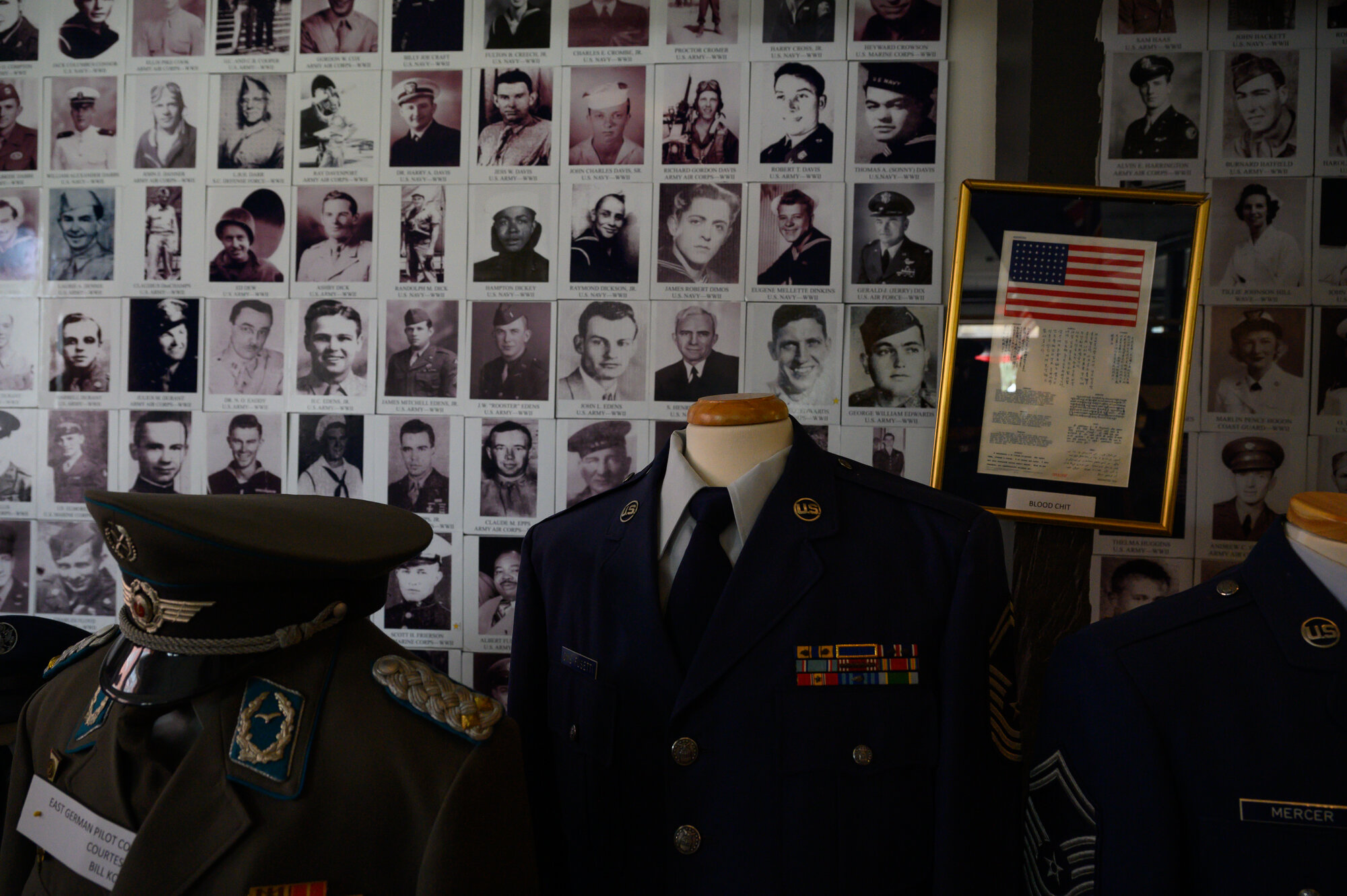
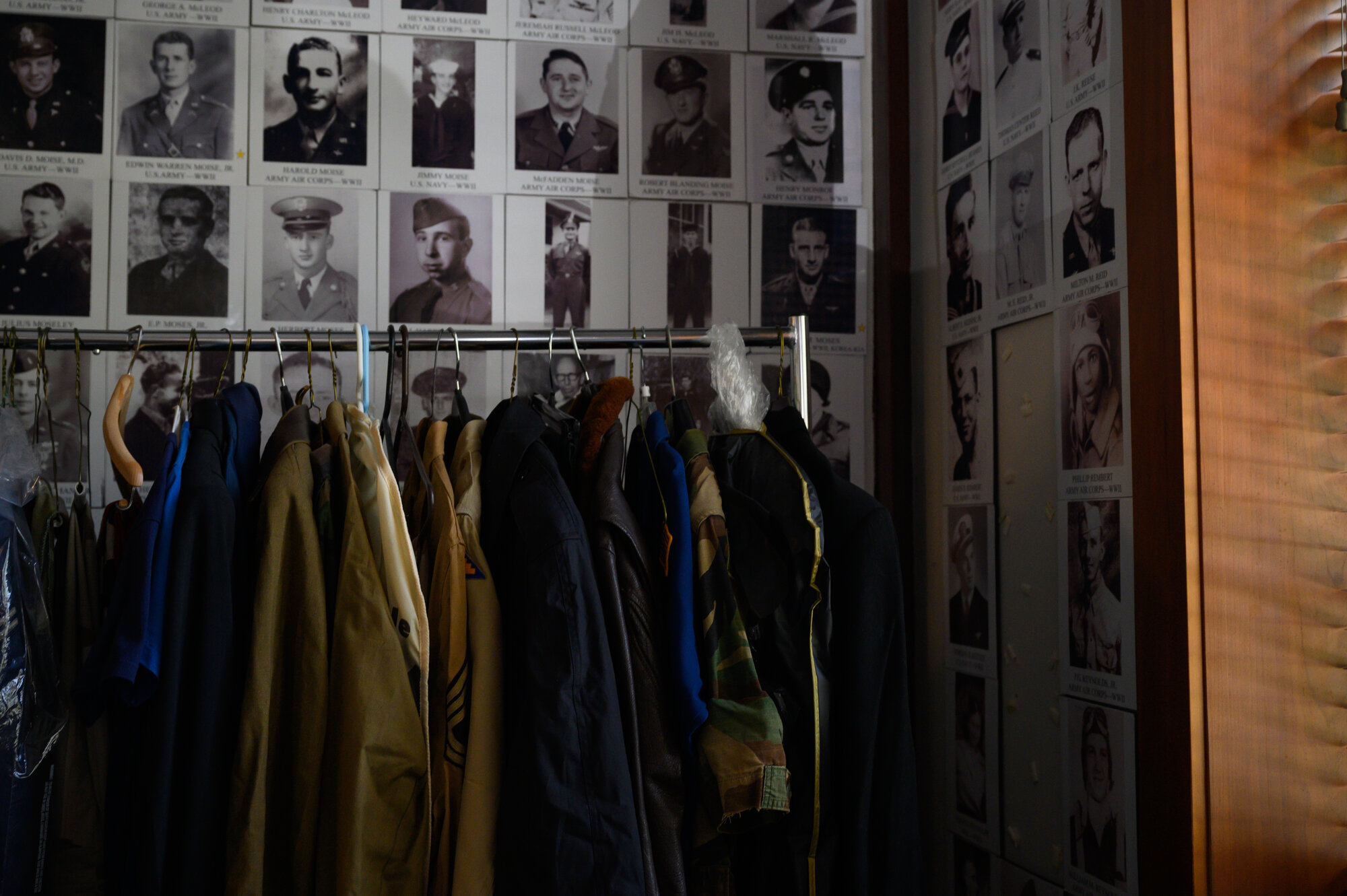
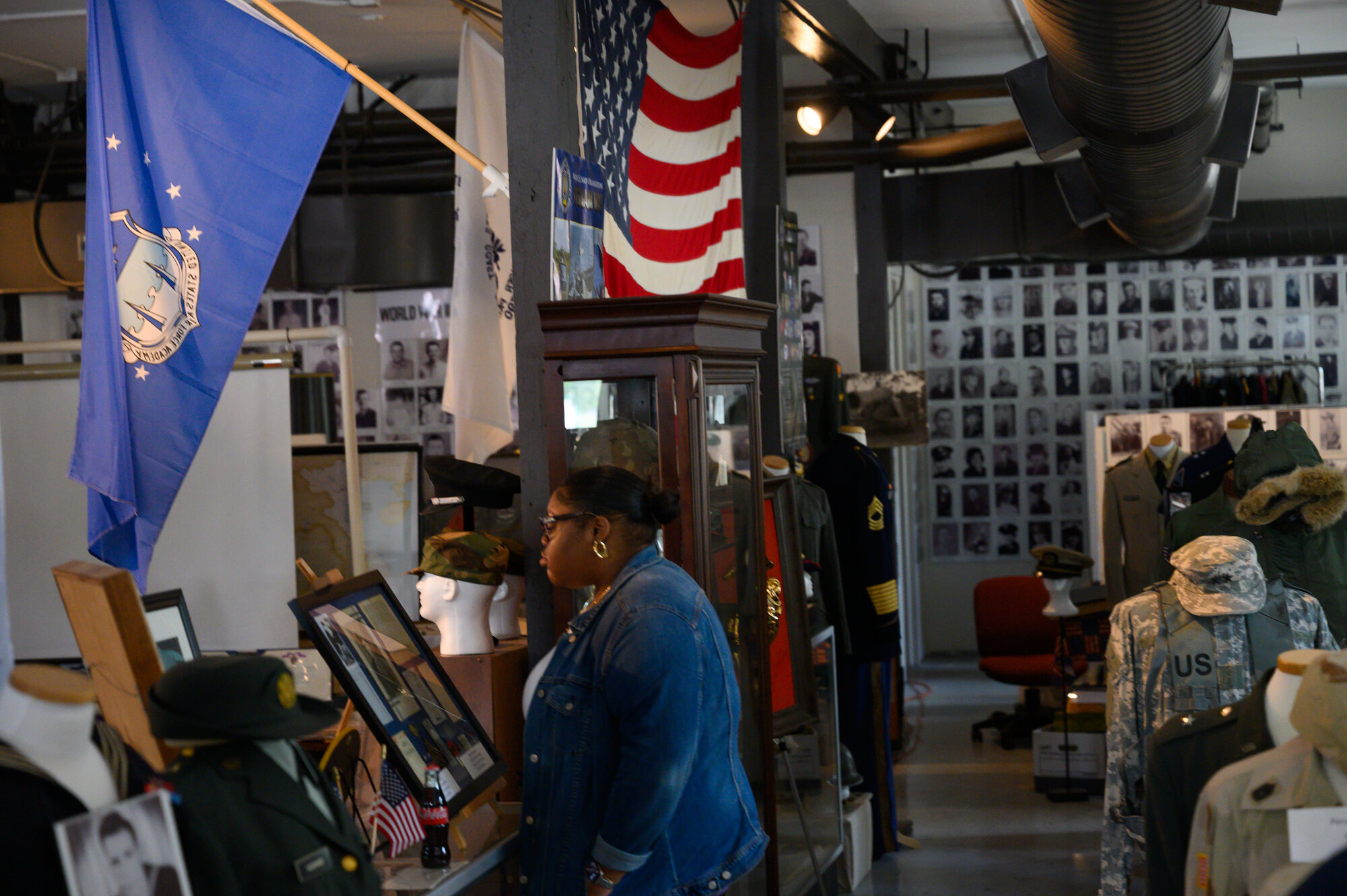
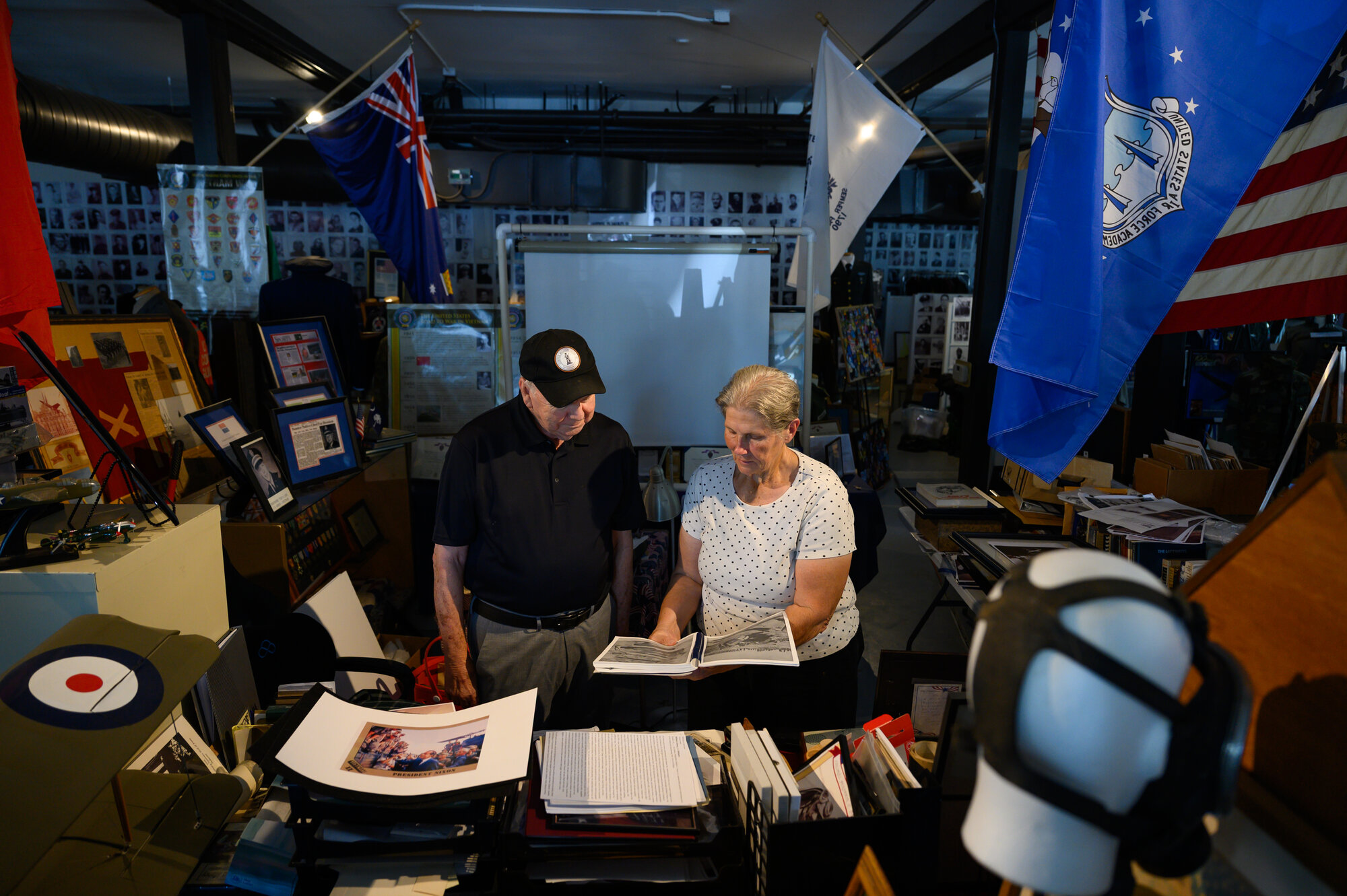
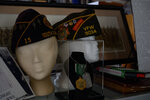
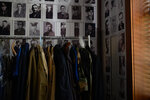
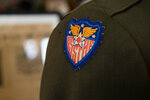
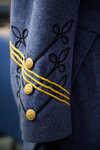
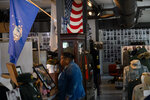
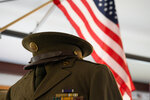
After the streets project, Way, his wife and students began collecting photographs and military uniforms, quickly growing the collection to 100 photographs and an increasing number of uniforms. They created displays in different locations, trying to accommodate the rapid growth of the collection. Eventually, Way and Rita realized that the collection needed a permanent place to be displayed.
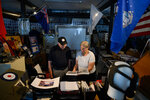
The 129 S. Harvin St. location originally served many purposes in the past, from telephone manufacturing to lumber harvesting. When Way and Rita acquired it, it was serving as a storage facility. Its state was less than ideal but work ethic wasn't a trivial concept to Way. Together, they grinded the floor, removed the metal and varnish, swiped away the cobwebs, mopped and scrubbed every surface and followed behind with fresh coats of paint.
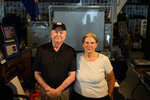
Rita was heavily involved in the museum's makeover, from cleaning the building and preparing the displays to typing the mountains of information-including the thousands of names of people who served in World War II so families can easily identify their loved ones, producing the photographs and assembling mannequins.
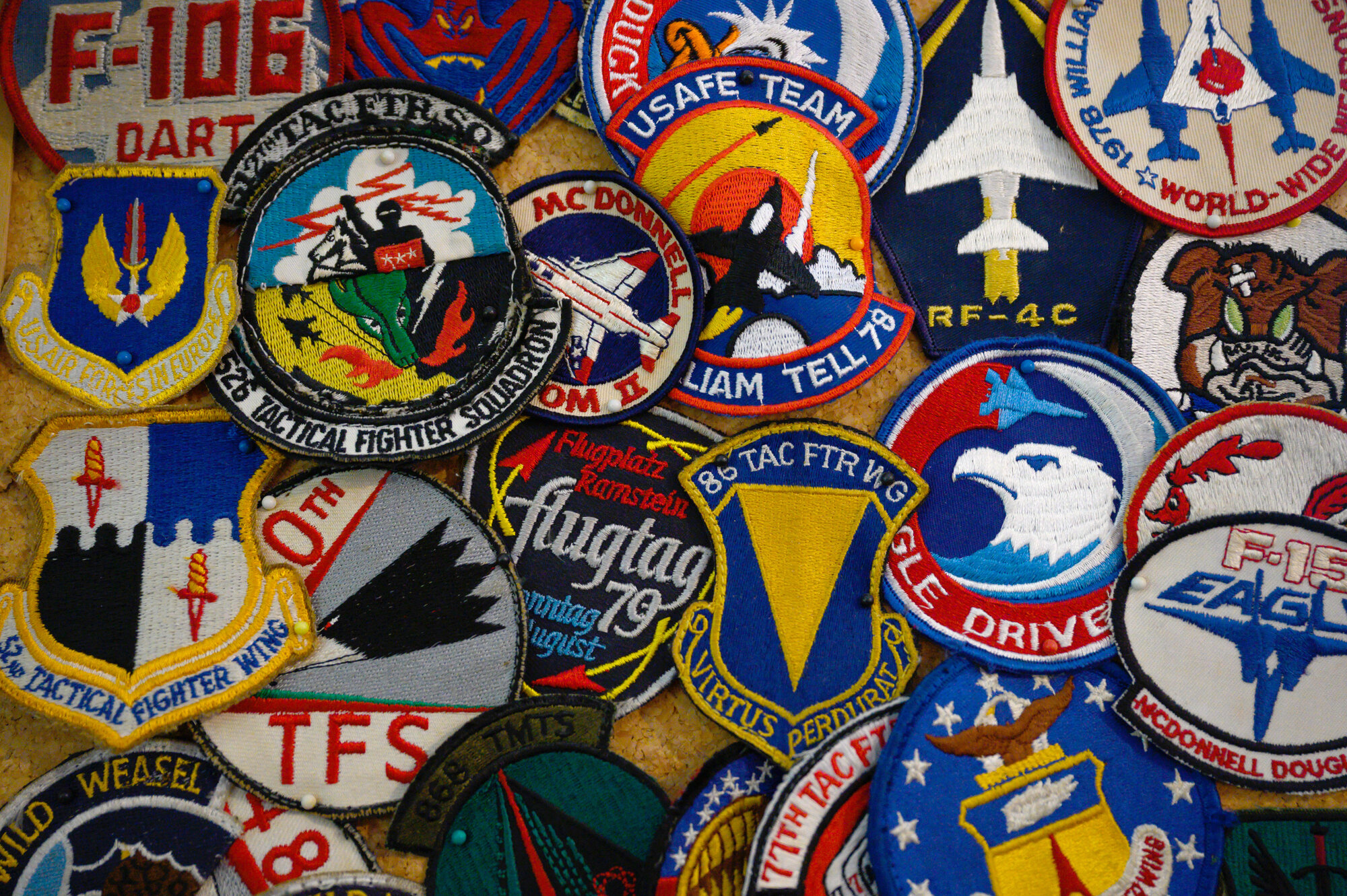
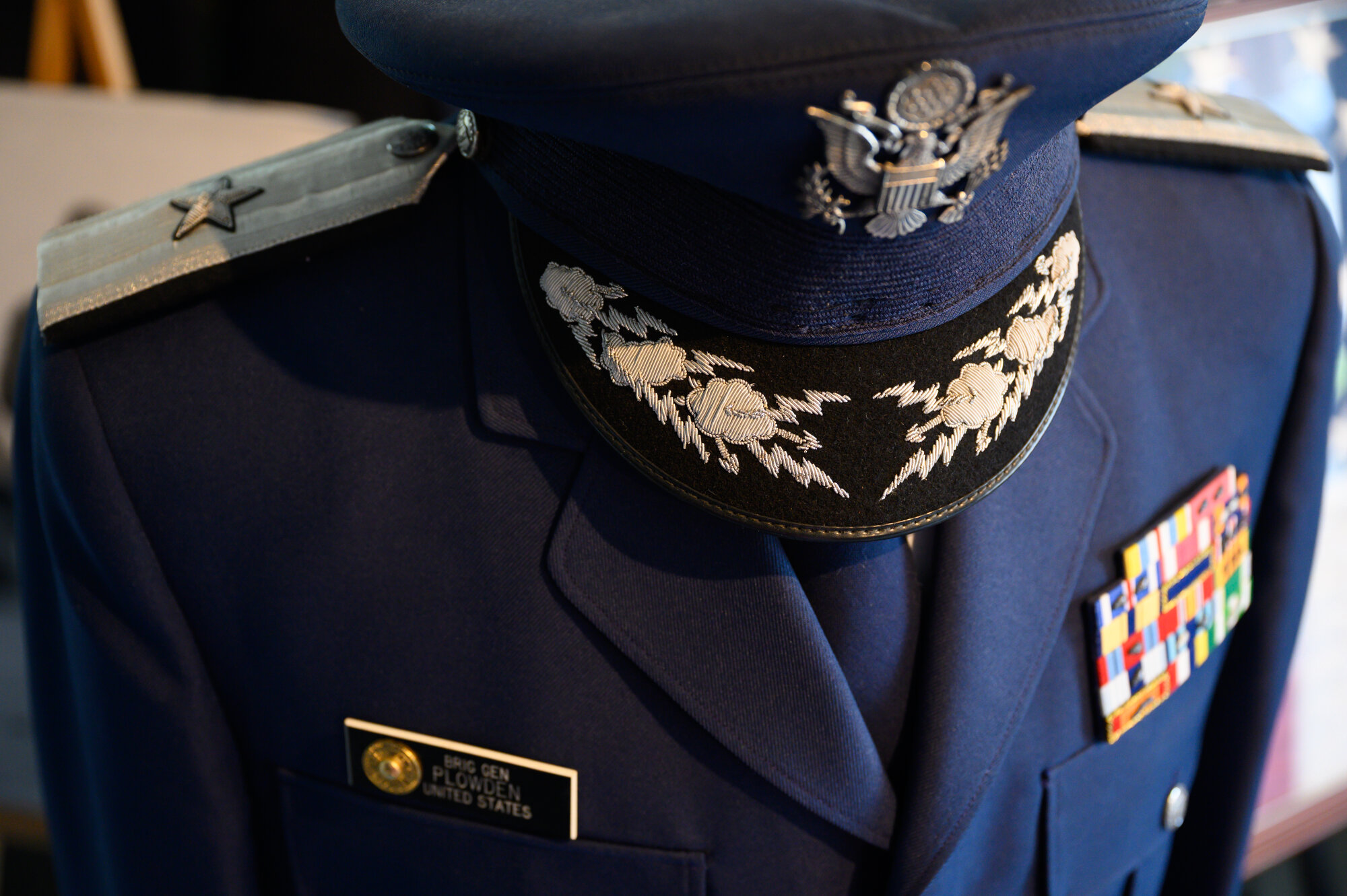
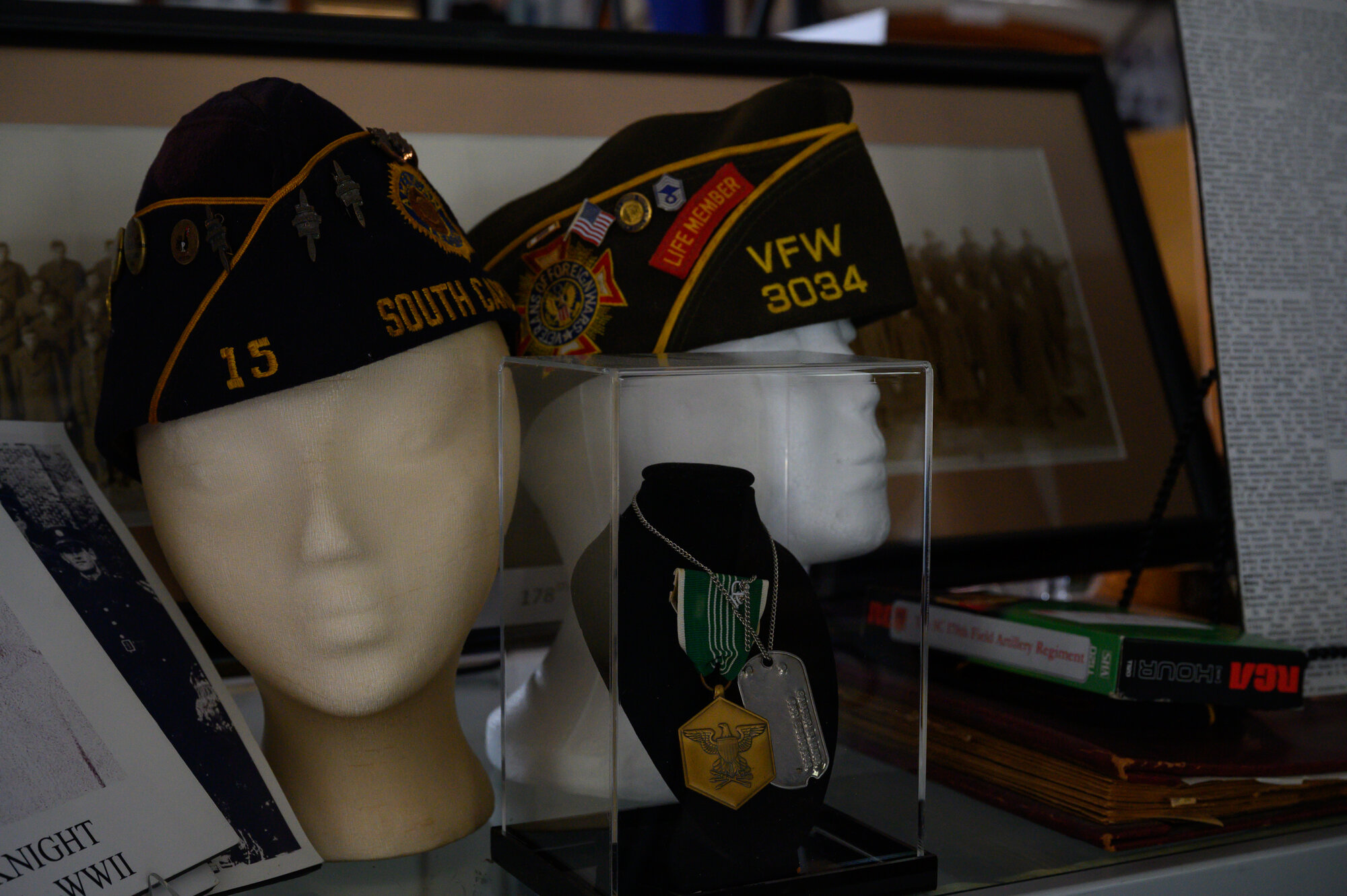
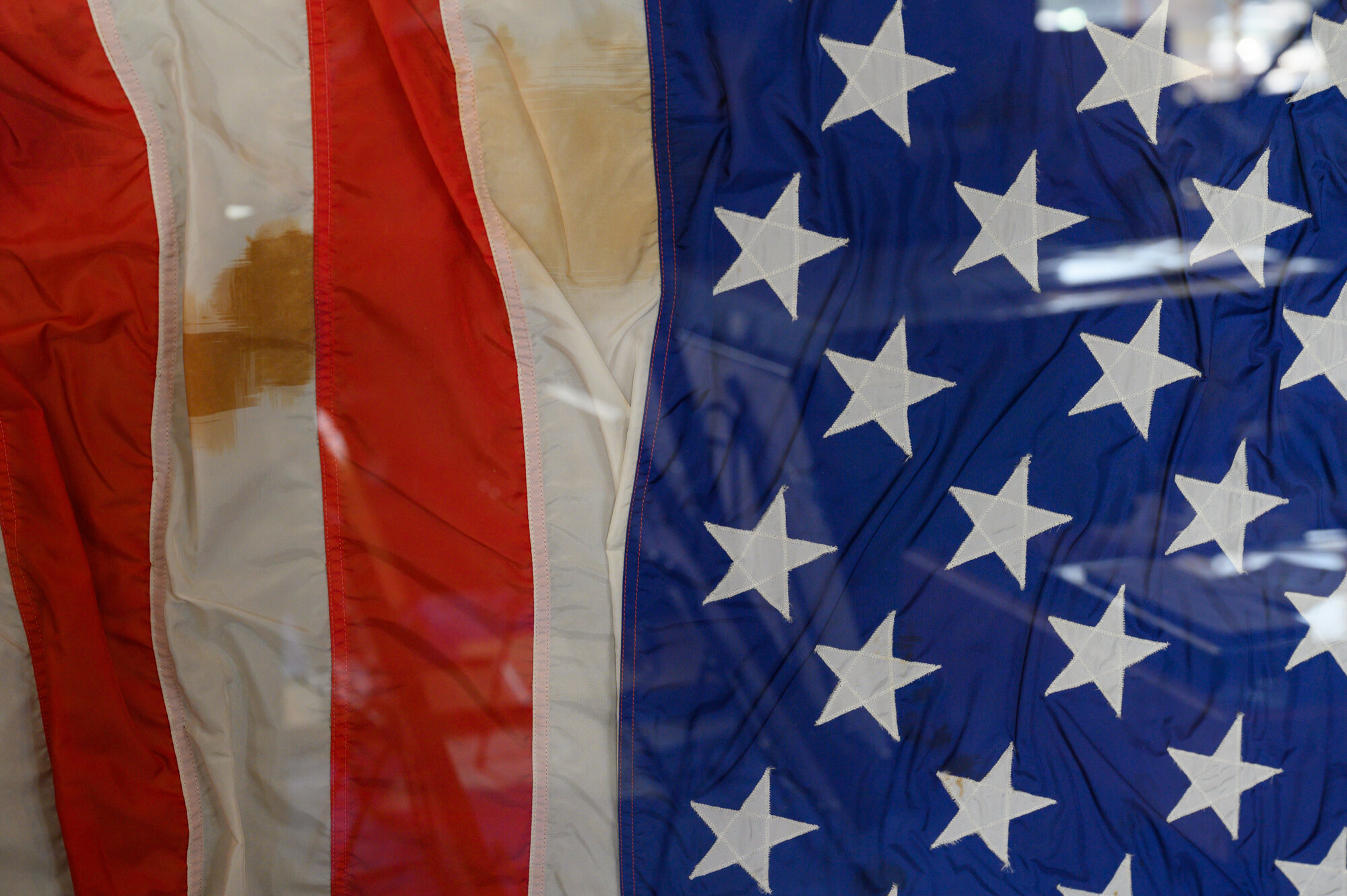
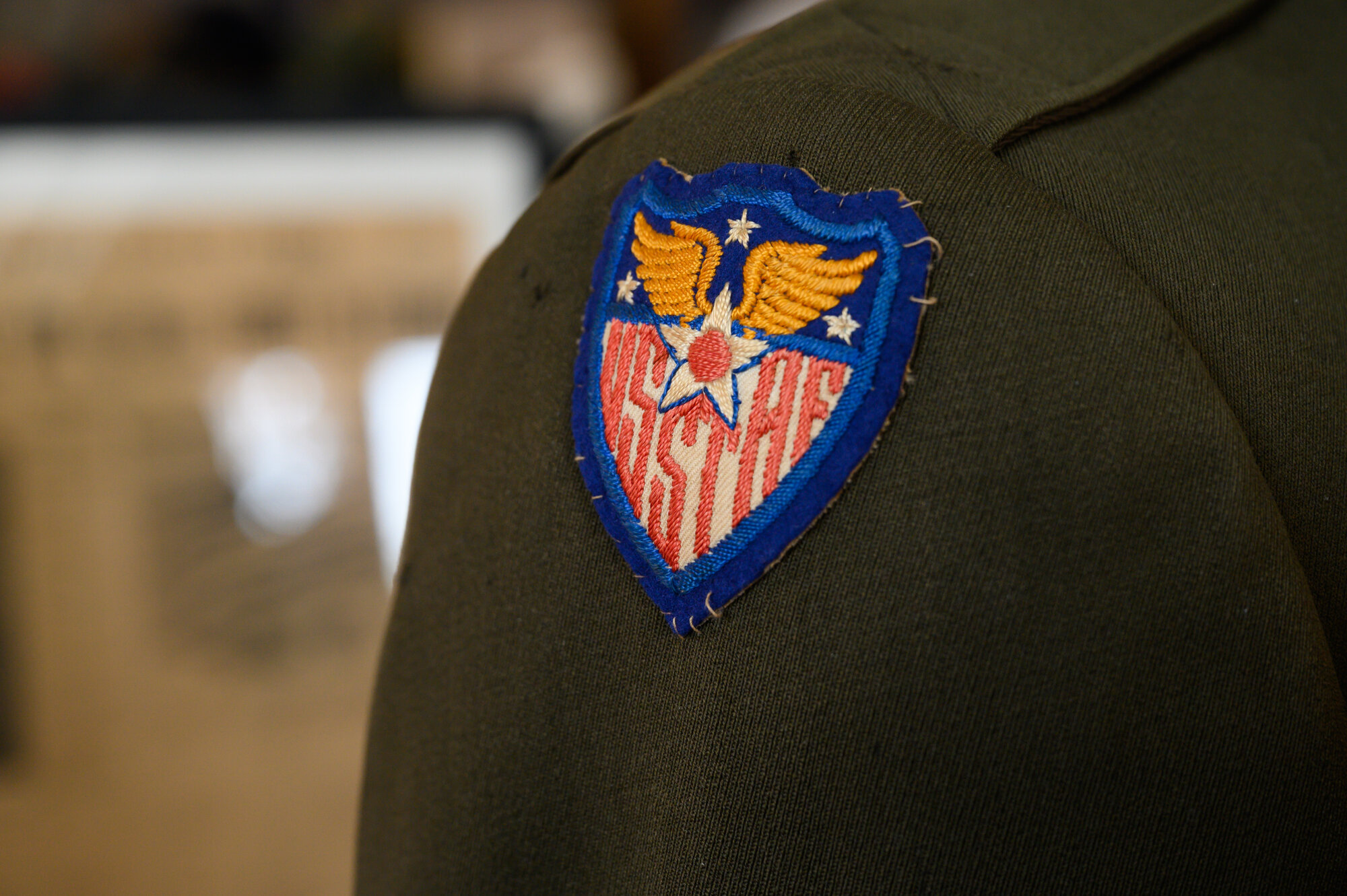
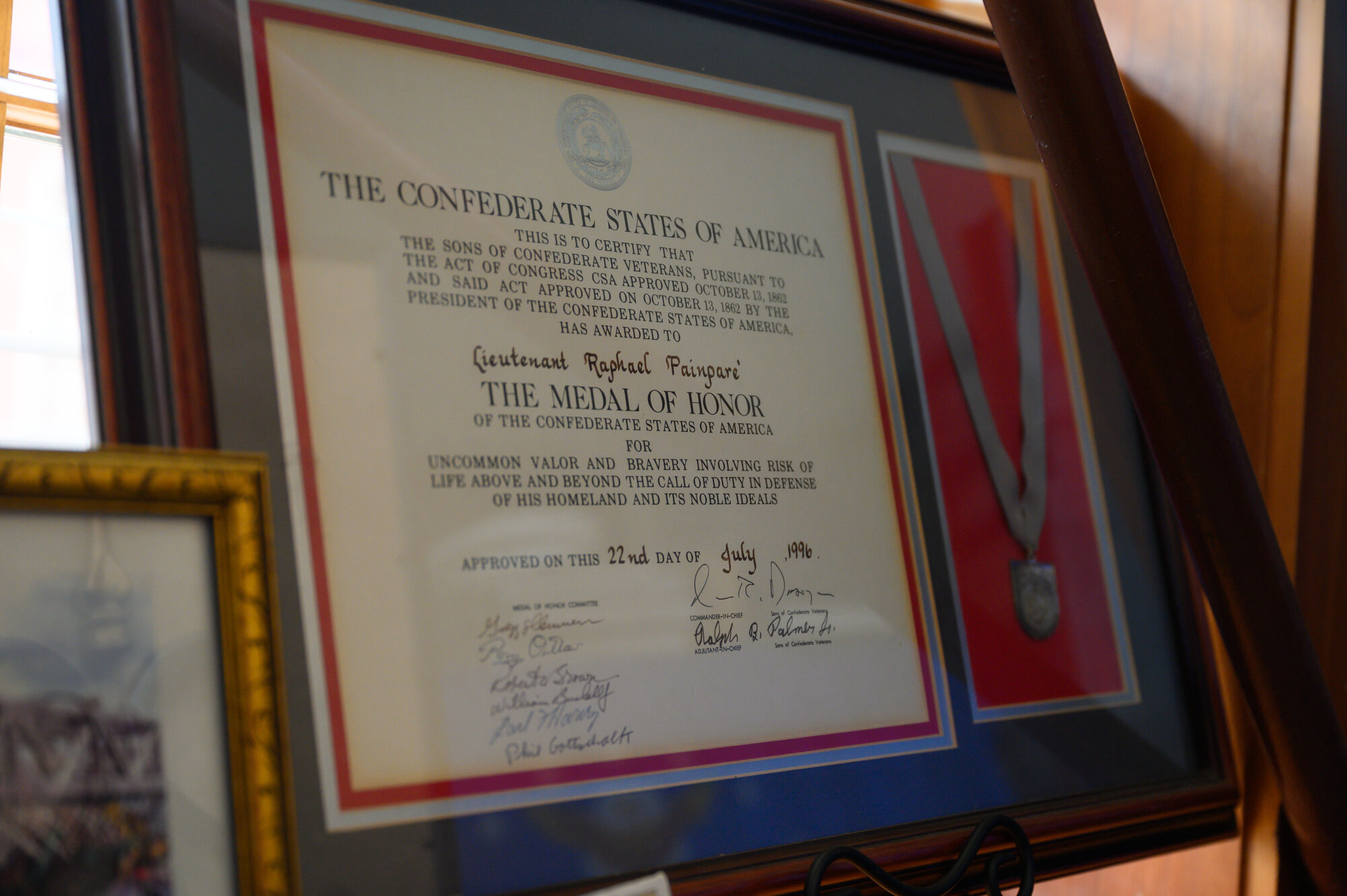
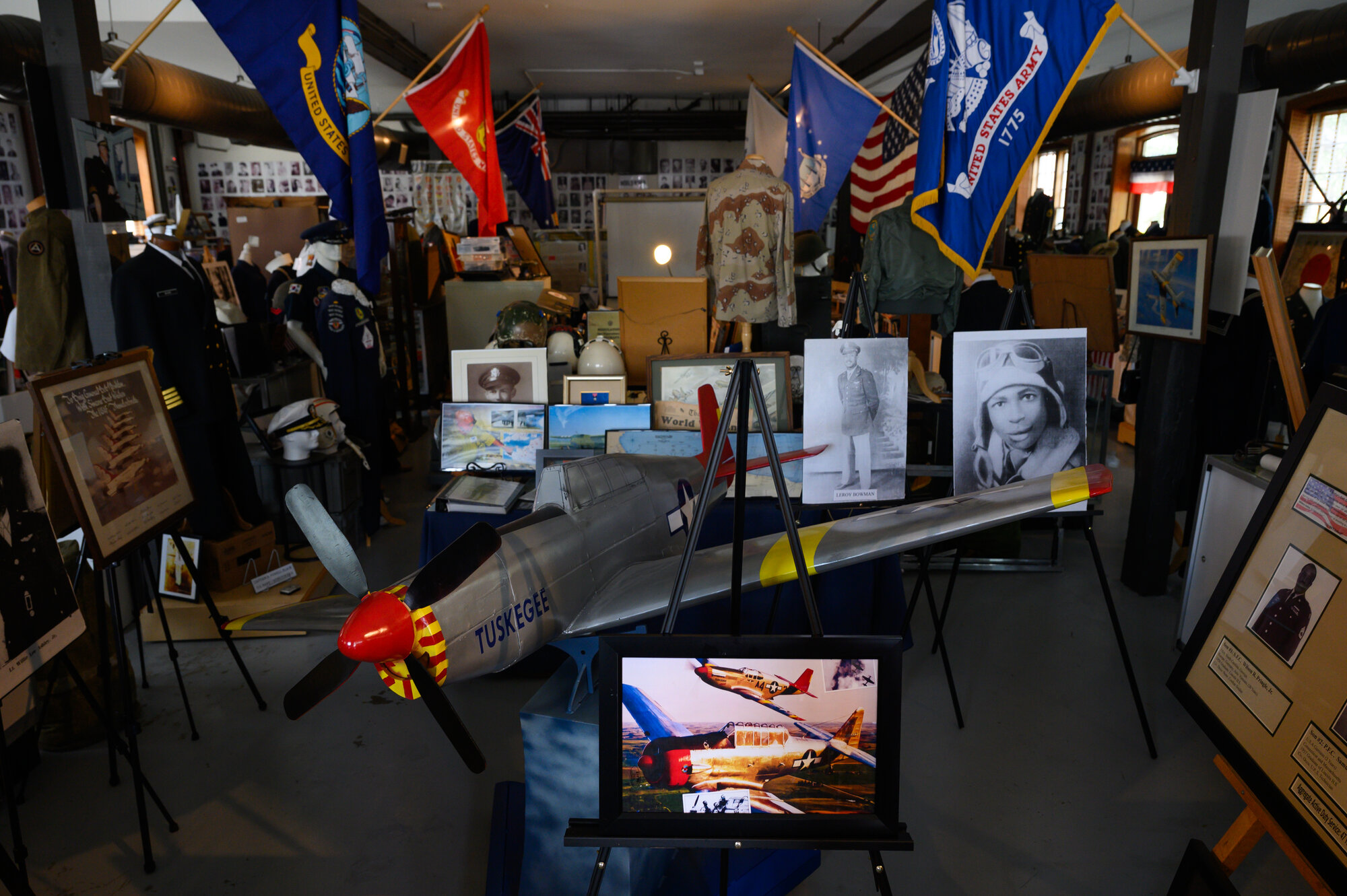
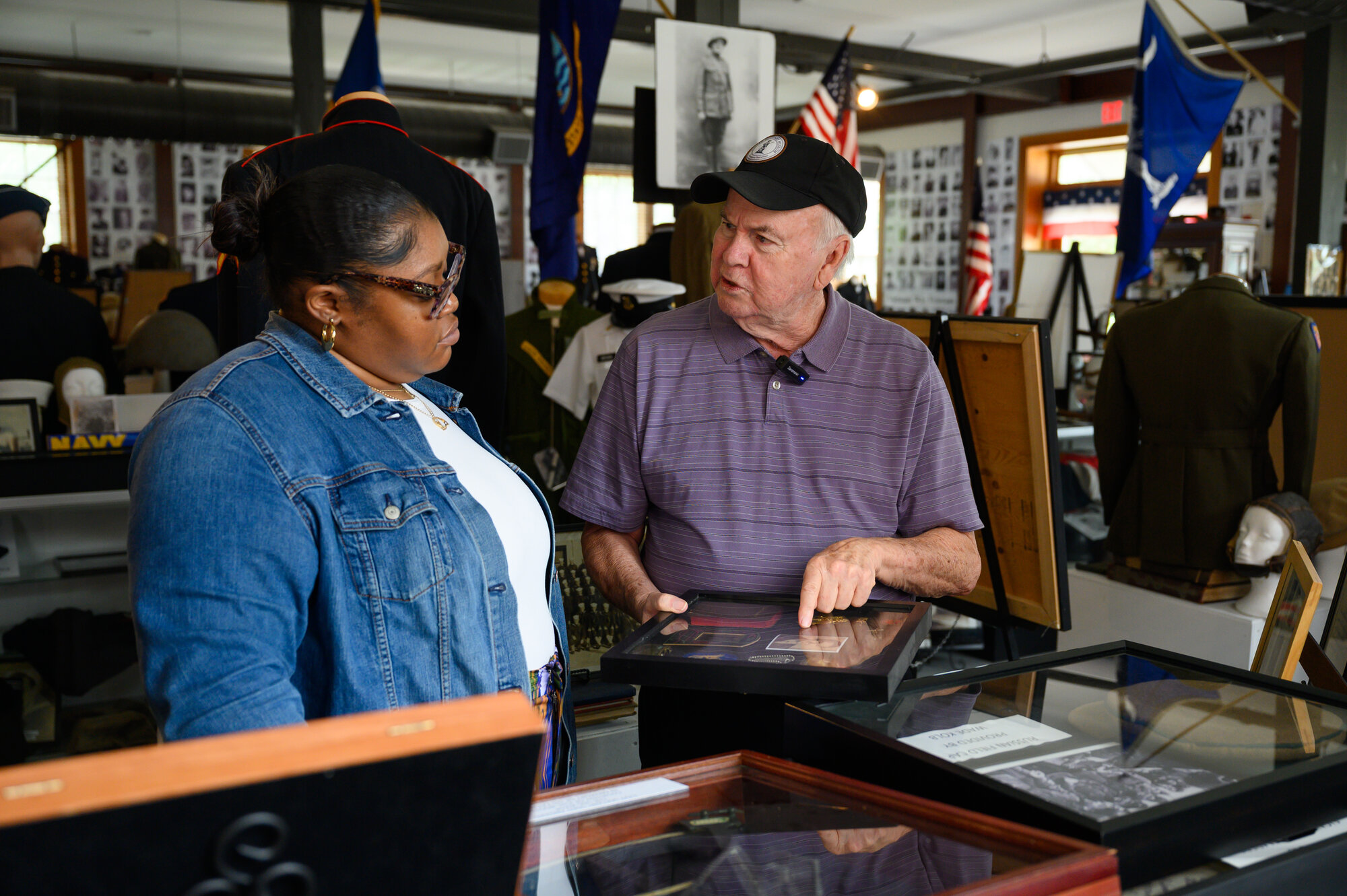
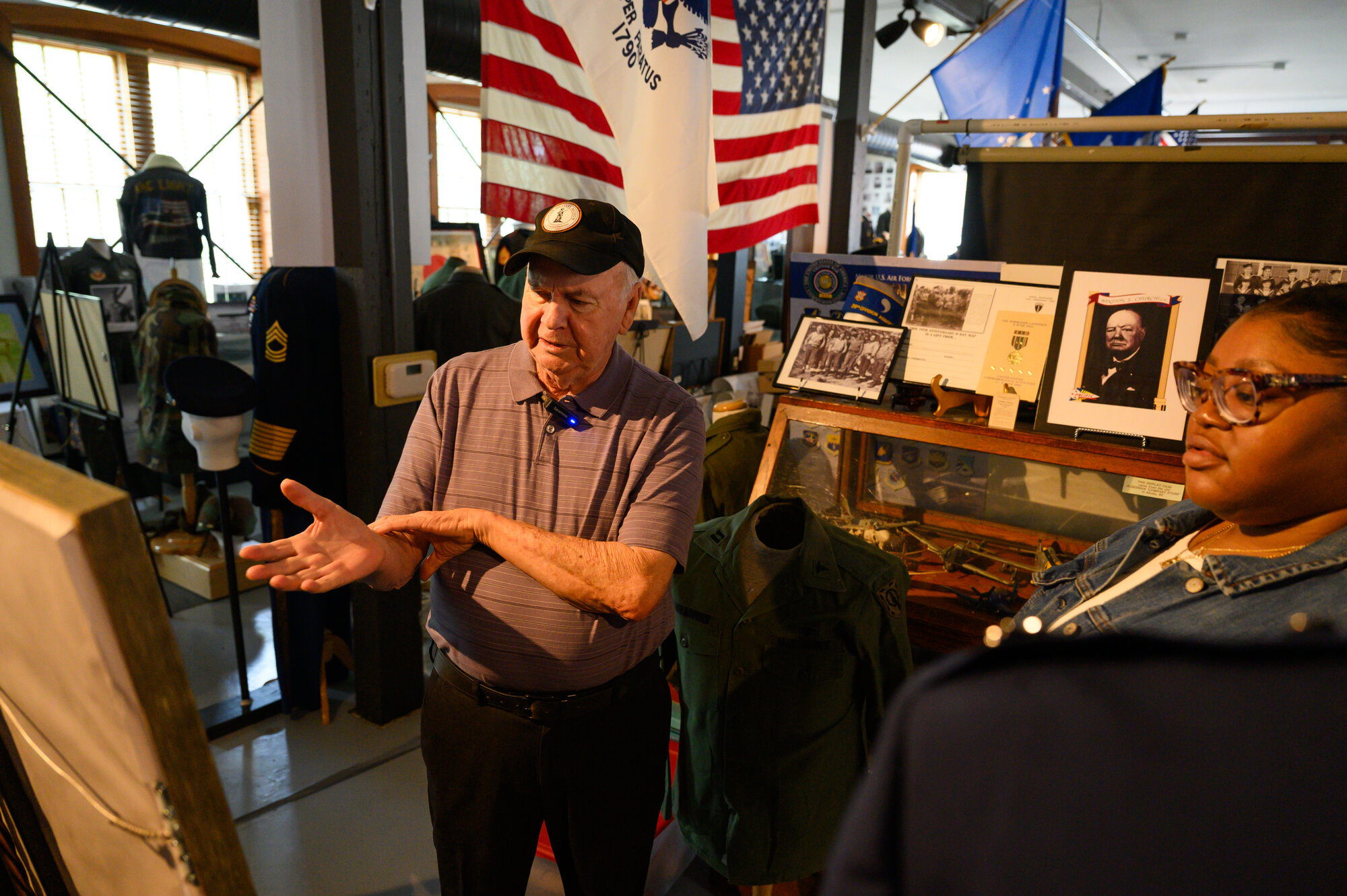
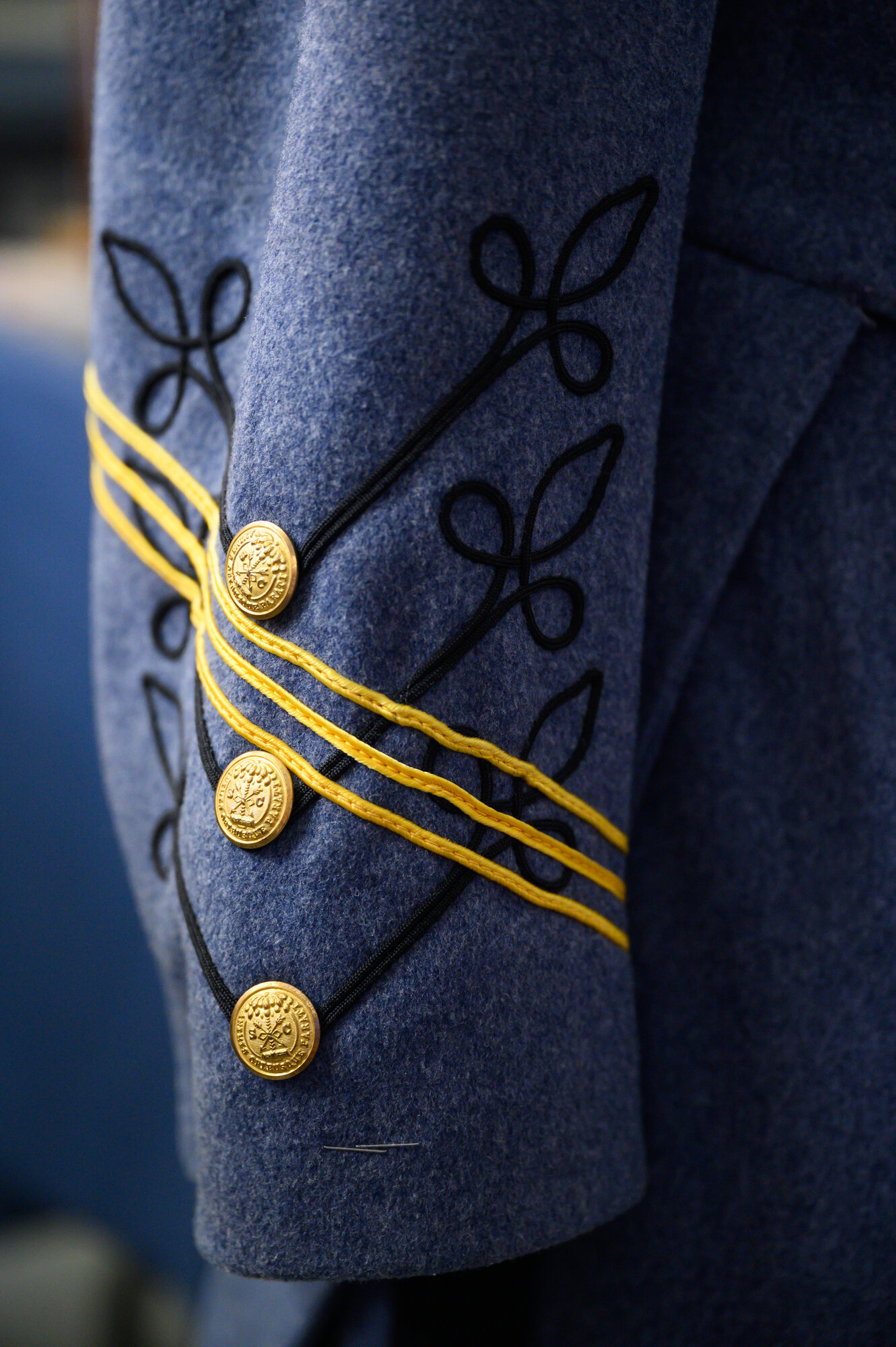
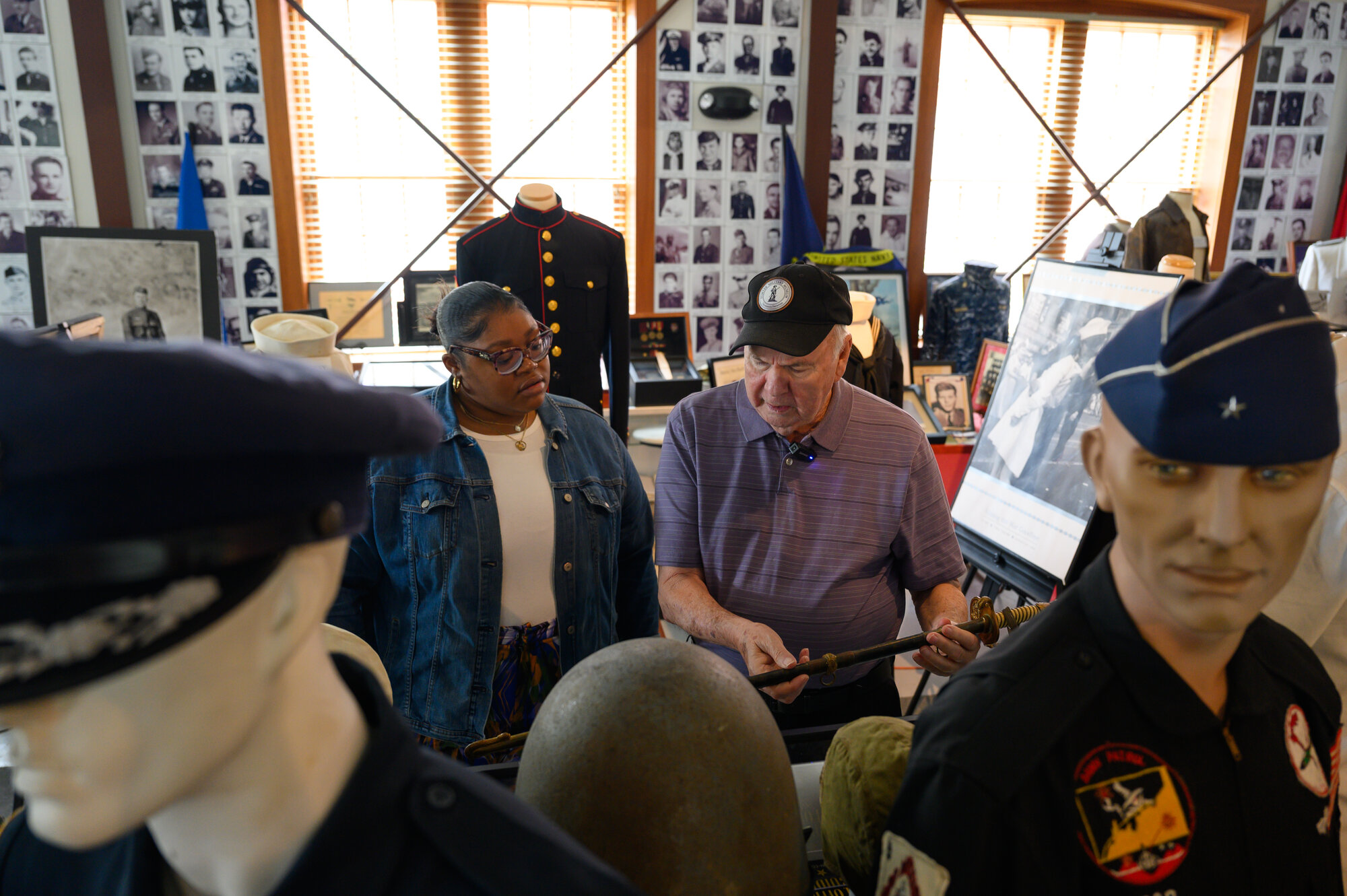
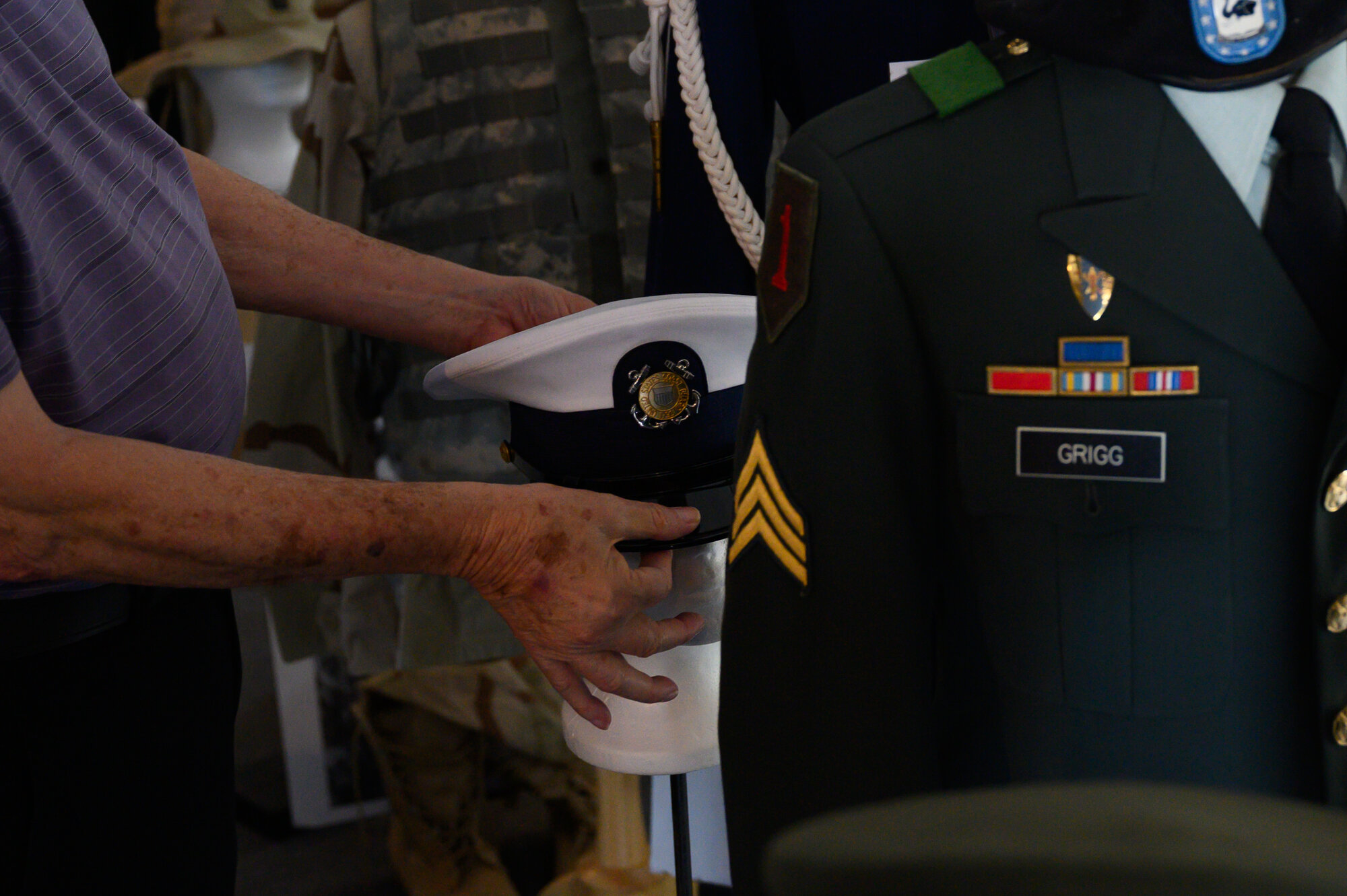
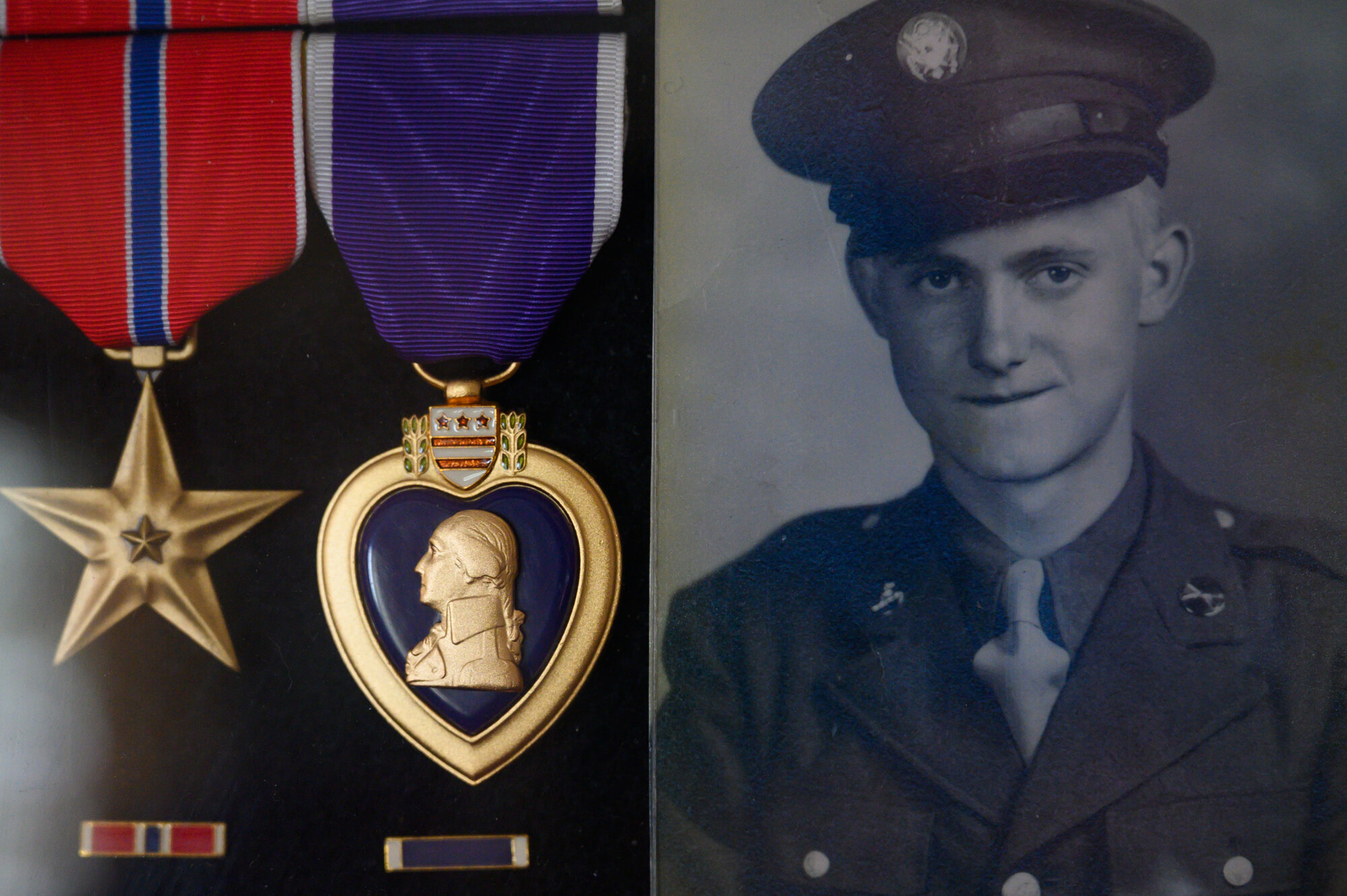
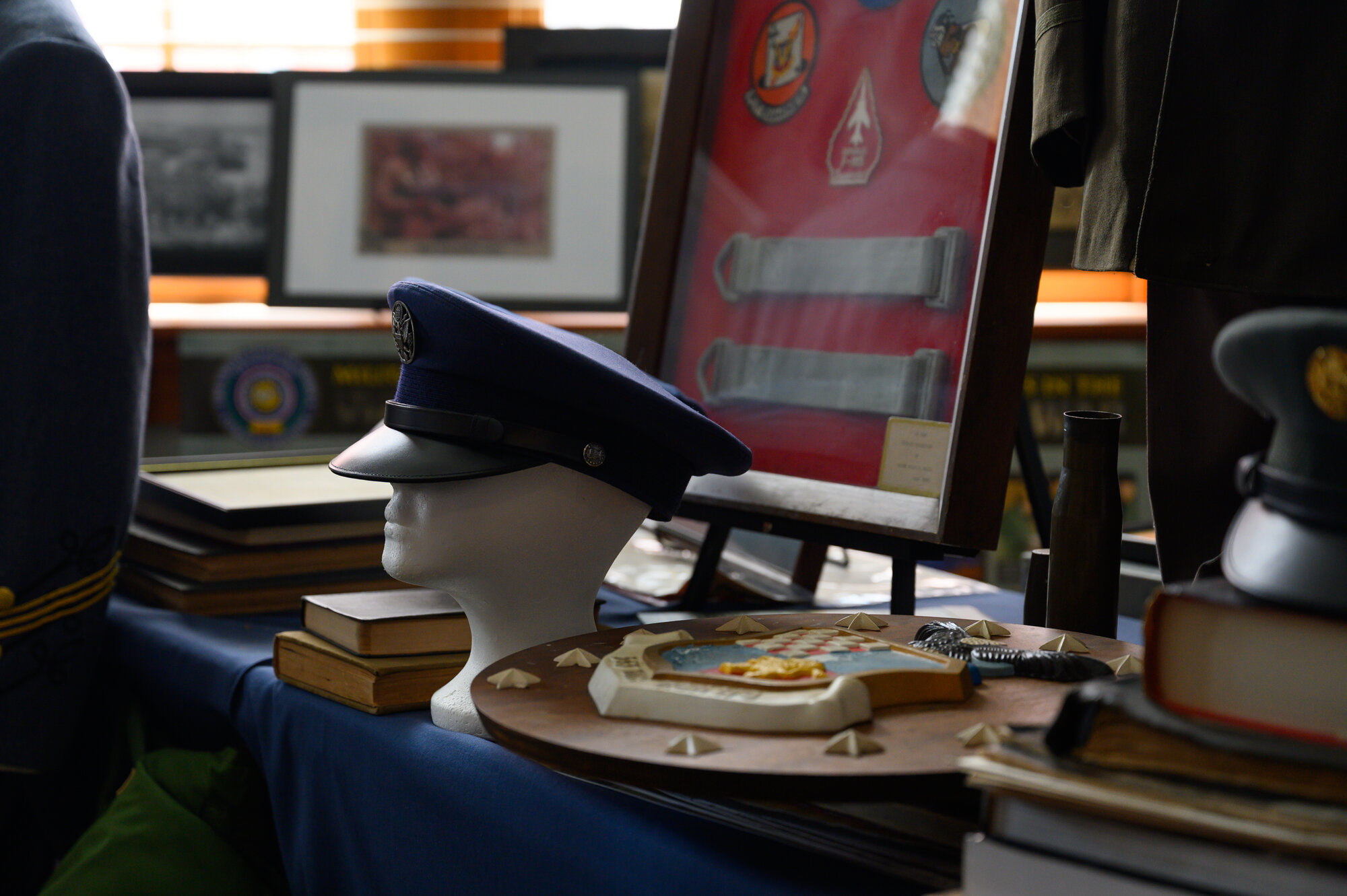
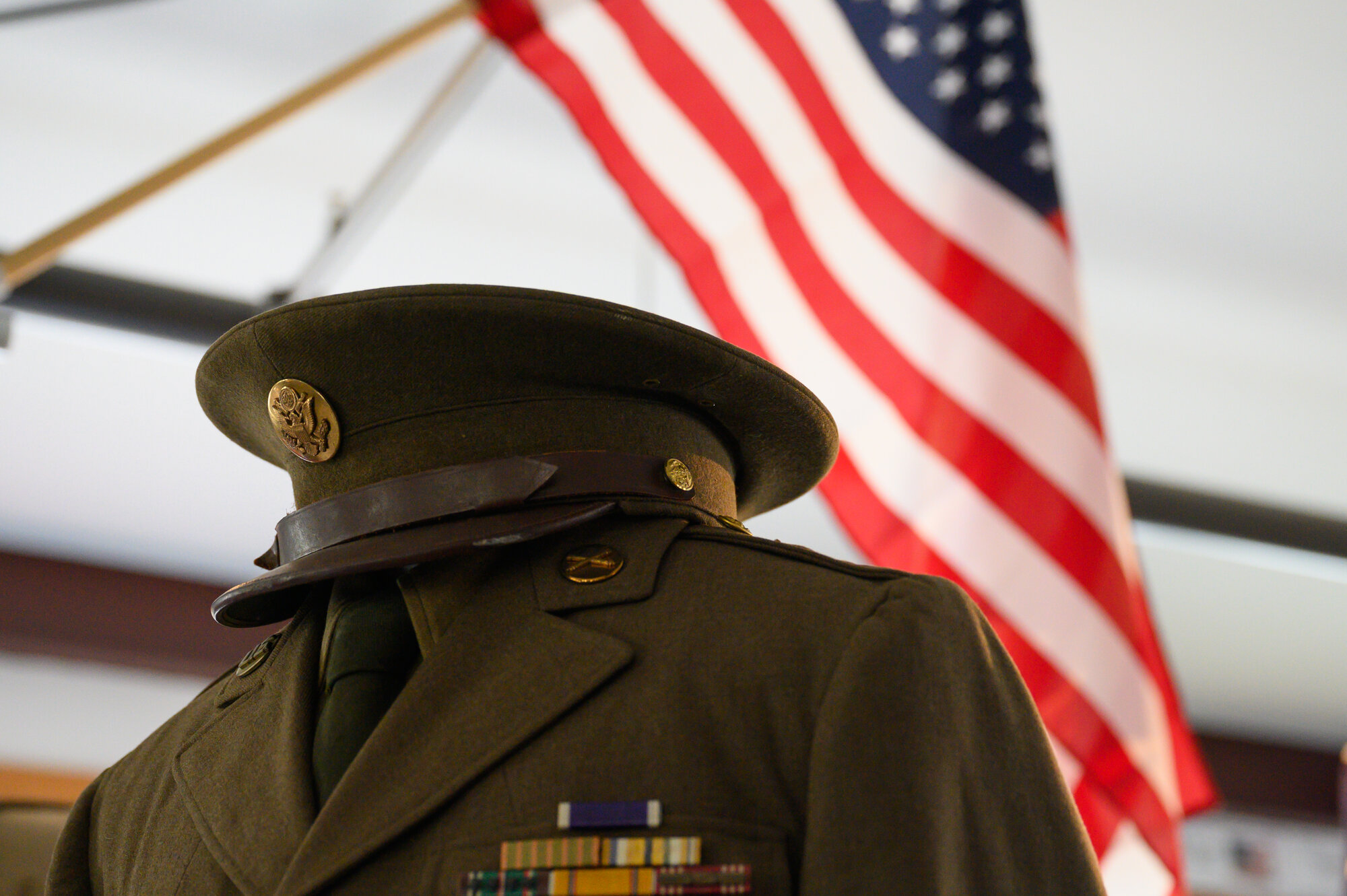
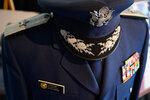
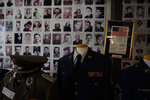
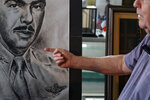
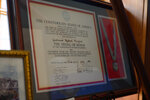
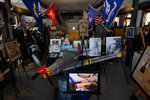
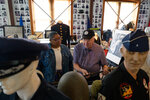
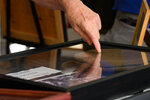
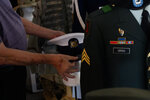
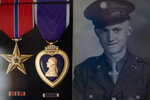
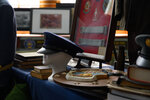
With more room to grow, the material kept coming. Today, Way estimated there are nearly 16,000 individual photographs and more than 11,000 pieces of memorabilia, including uniforms, swords, bayonets, helmets, boots, flags, documents, letters, painting, medals and books, to name a few. Much of the material is from families who donate them to the museum to share their loved ones legacy or connect him to friends he lost along the way. Like the photograph of a Marine standing on the beach during Iwo Jima that now sits next to the uniform the Marine's son later donated to the museum or the Great White Fleet logbook donated by the great-grandson of one of its shipman, who documented the voyage from where the ship went and who they saw to what happened and how they overcame such tragedies.
That responsibility and trust is not lost on Way.
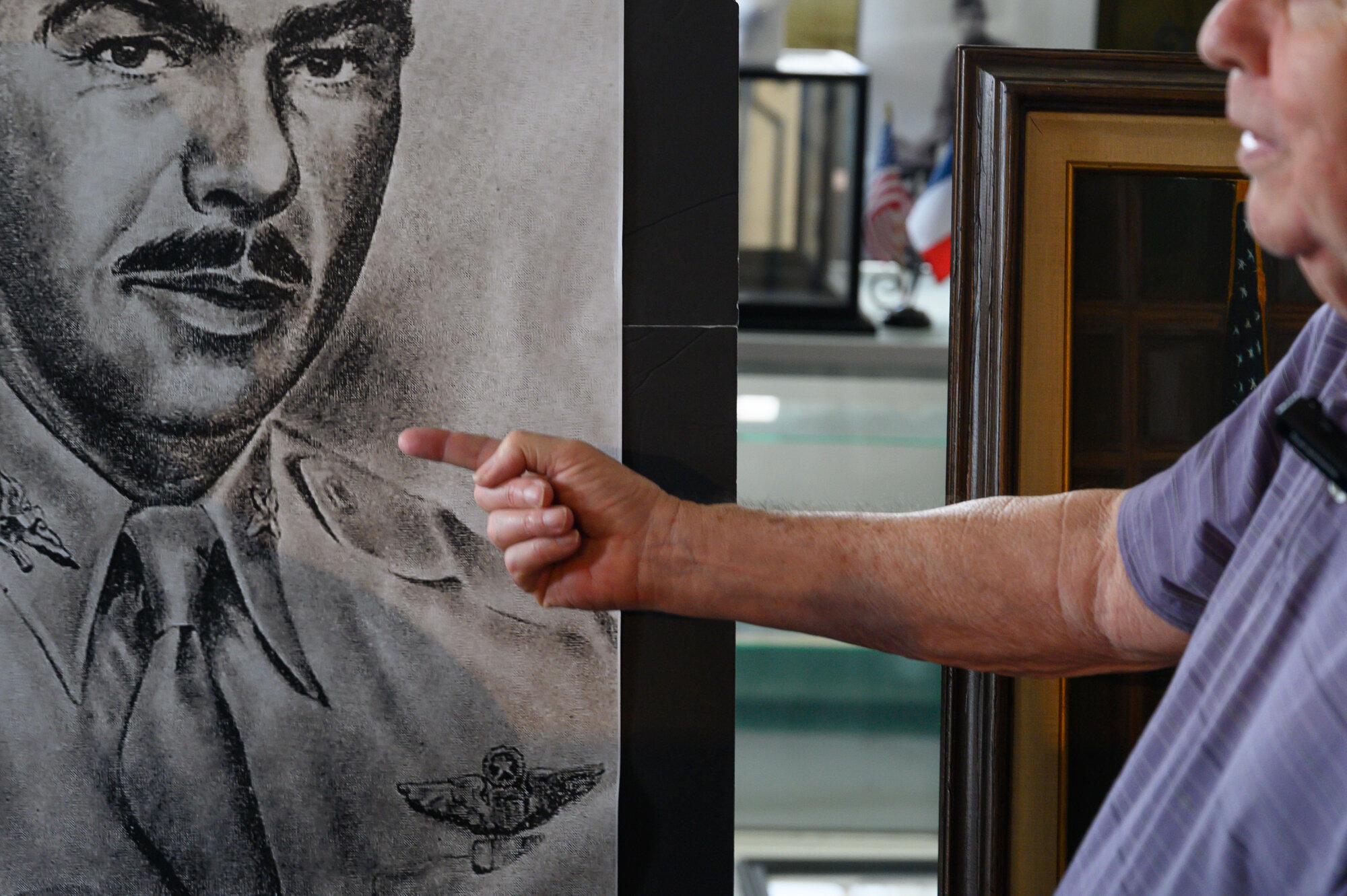
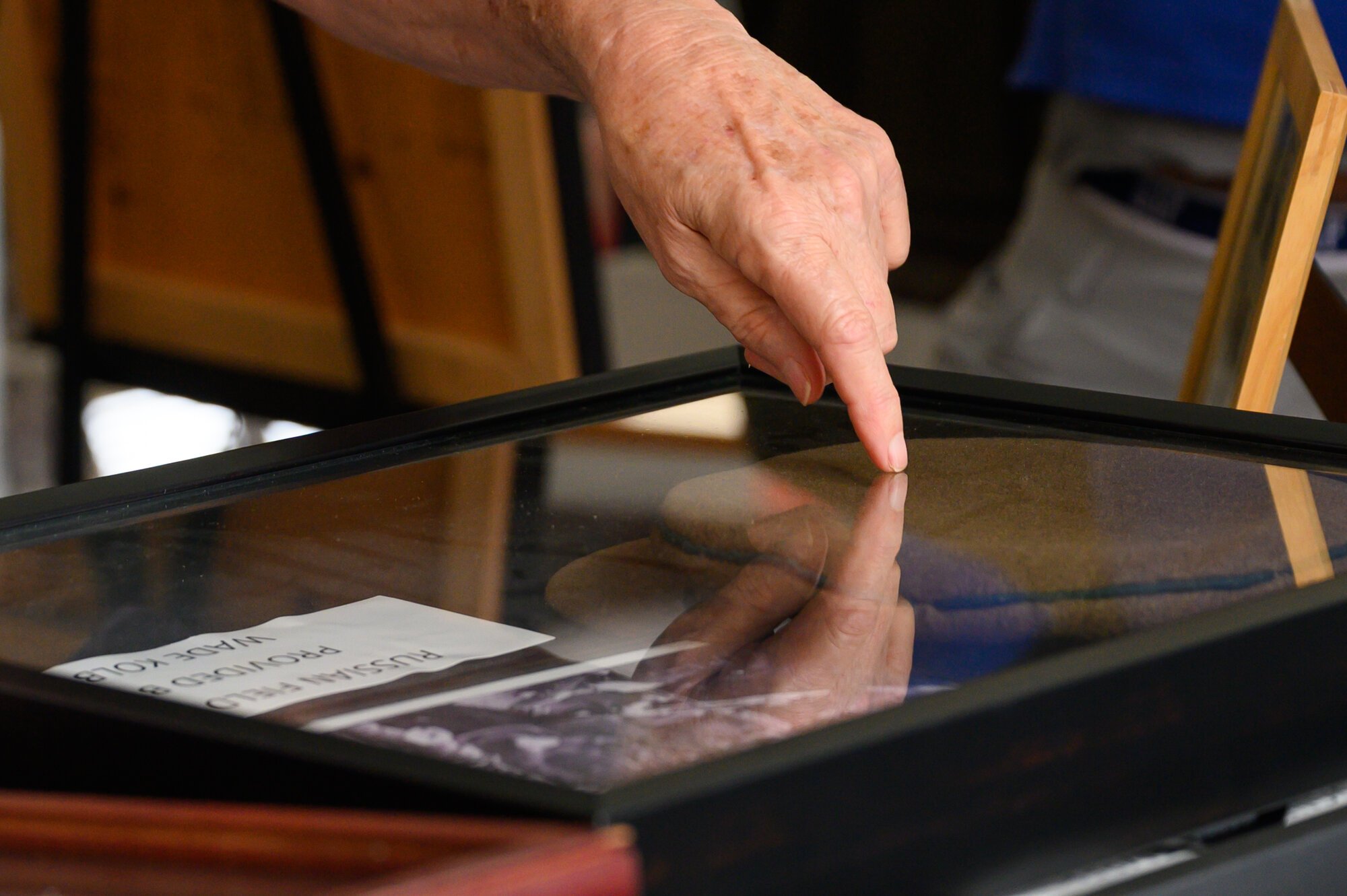
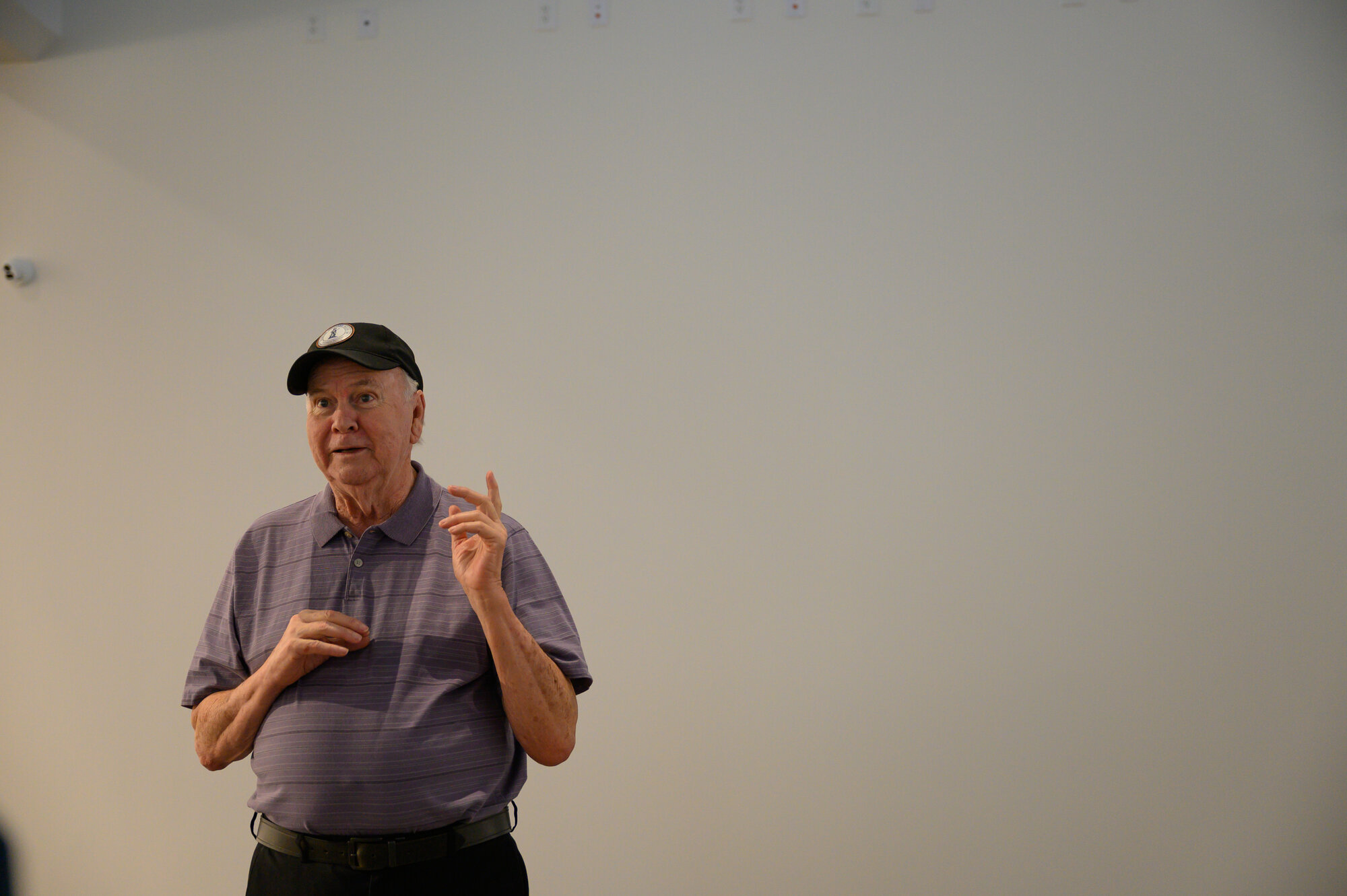
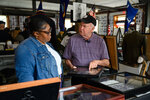
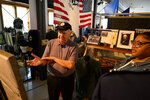
"I am entrusted. Rita and I are entrusted with taking care of this ," he said, his hand gesturing to the displays. "Curators have three obligations. One, you're to collect. The other one is you protect. And the third one is you, you need to know about it."
"What do you think would have happened to all those uniforms over there?" he questioned. "I know where they're going to be. I know they're going to be taken care of."
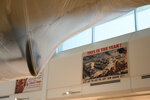
They eventually ran out of wall space and Way joked that the ceiling was not an option. They began digitizing the photographs as another way to preserve materials. They'll soon have their chance to be on display.
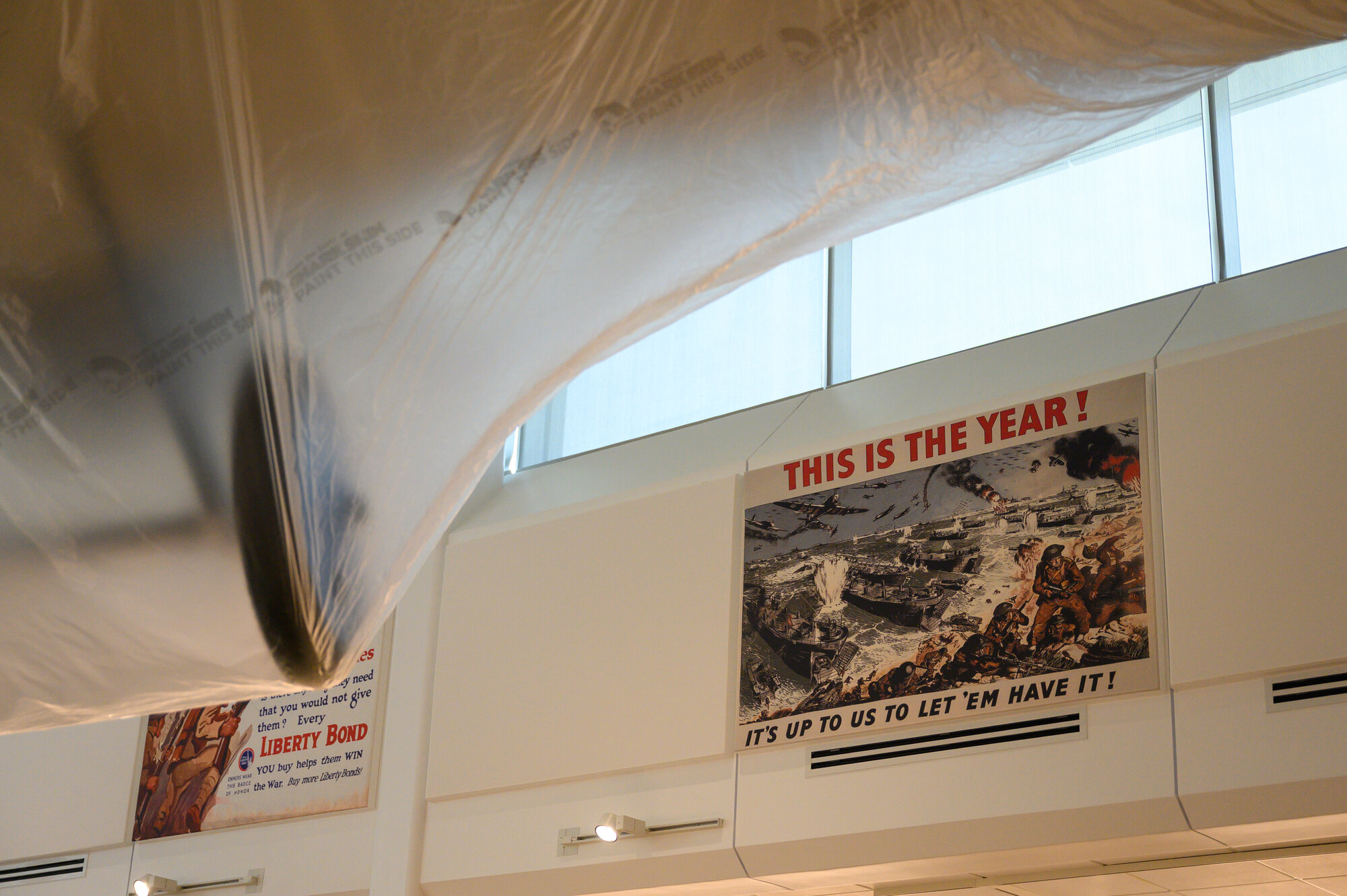
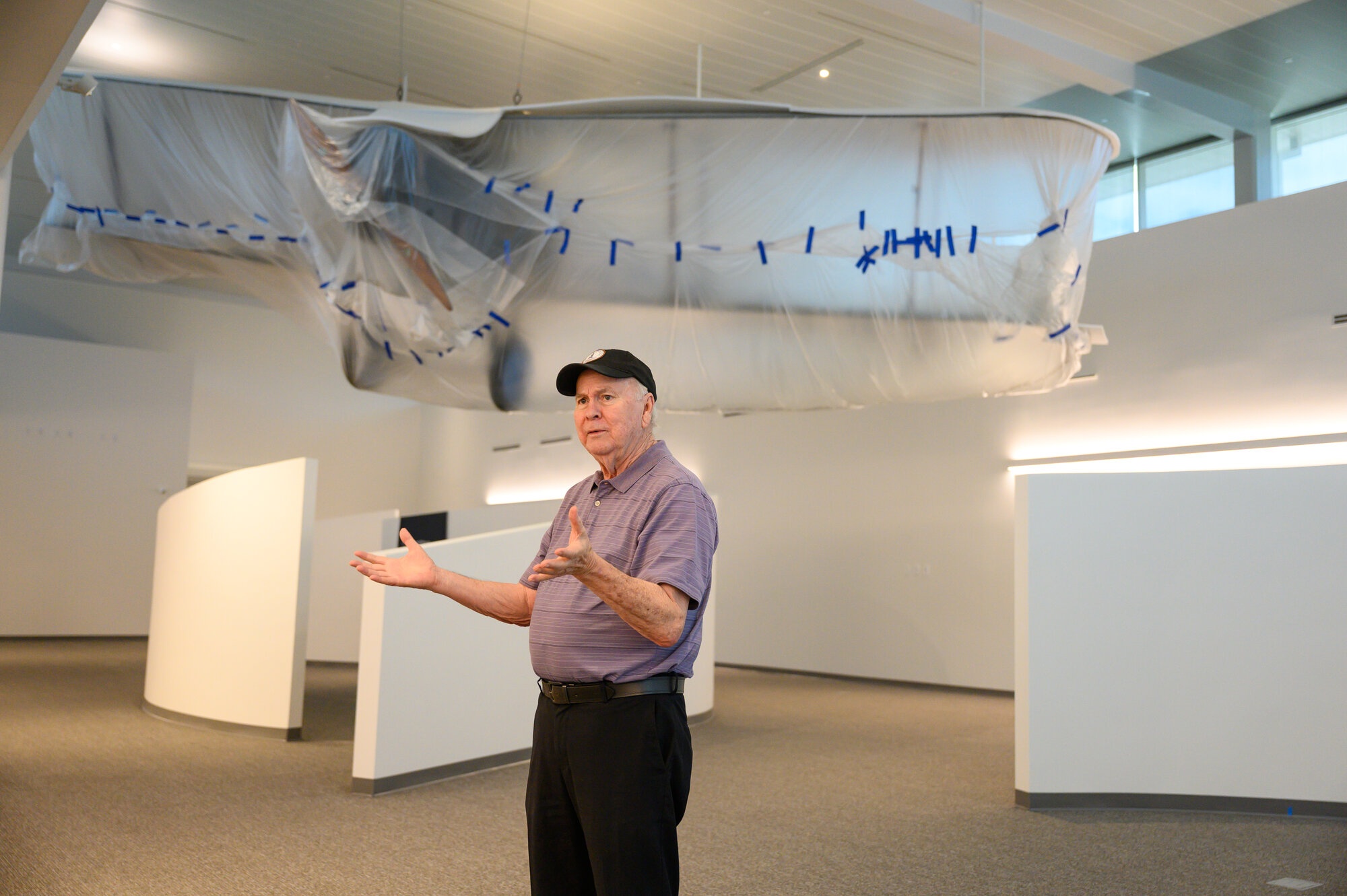
Set to open in 2027, the new 36,000-square-foot Sumter Military Museum will become the newest chapter of the museum campus, housing a permanent exhibit honoring local veterans while tracing the county's legacy from the Revolutionary War through modern conflicts. In one of the museum's largest interactive components, visitors will find immersive galleries, interactive exhibits and a chronological history of Sumter that explains how the city earned its reputation for "Uncommon Patriotism." The museum will also feature a local veteran recognition wall, where photographs will rotate digitally, along with searchable kiosks allowing families to find relatives and learn about their service. Way also plans to allow children to try on replica uniforms and canteens for a more immersive experience. He emphasized that the support of the City of Sumter and museum staff has helped to make these ideas come to fruition.
Way hoped that the museum is not just a place for a leisurely stroll. He hoped when people enter those glass doors, their curiosity is close behind. That they ask questions and are excited to learn about Sumter's history through those who served. That children, after interacting with replicas and materials, leave with knowledge, understanding, pride and feeling connected to the people behind the objects. That loved ones can see the museum as more than a military collection but as a place where they encounter pieces of their own family history.
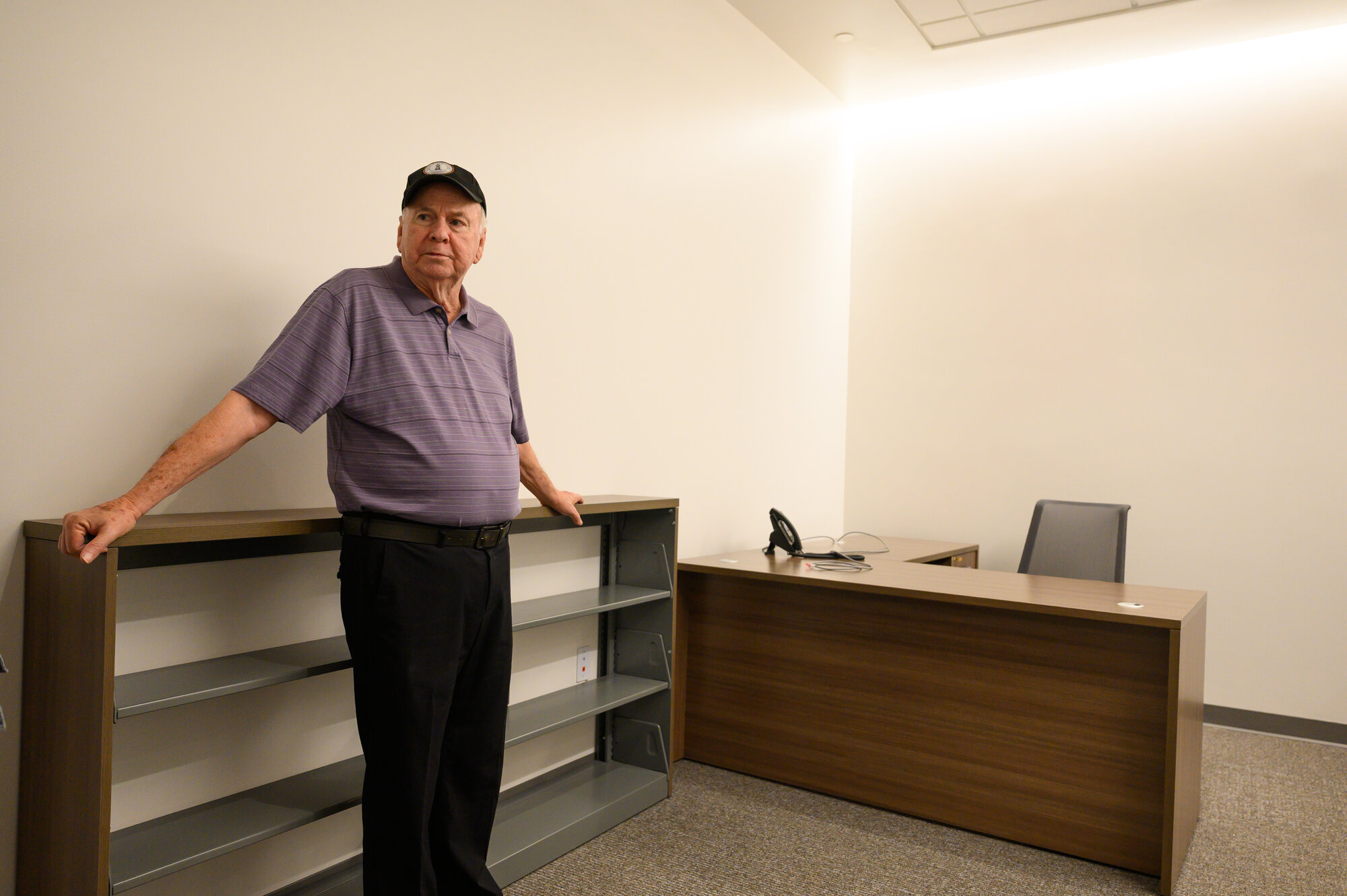
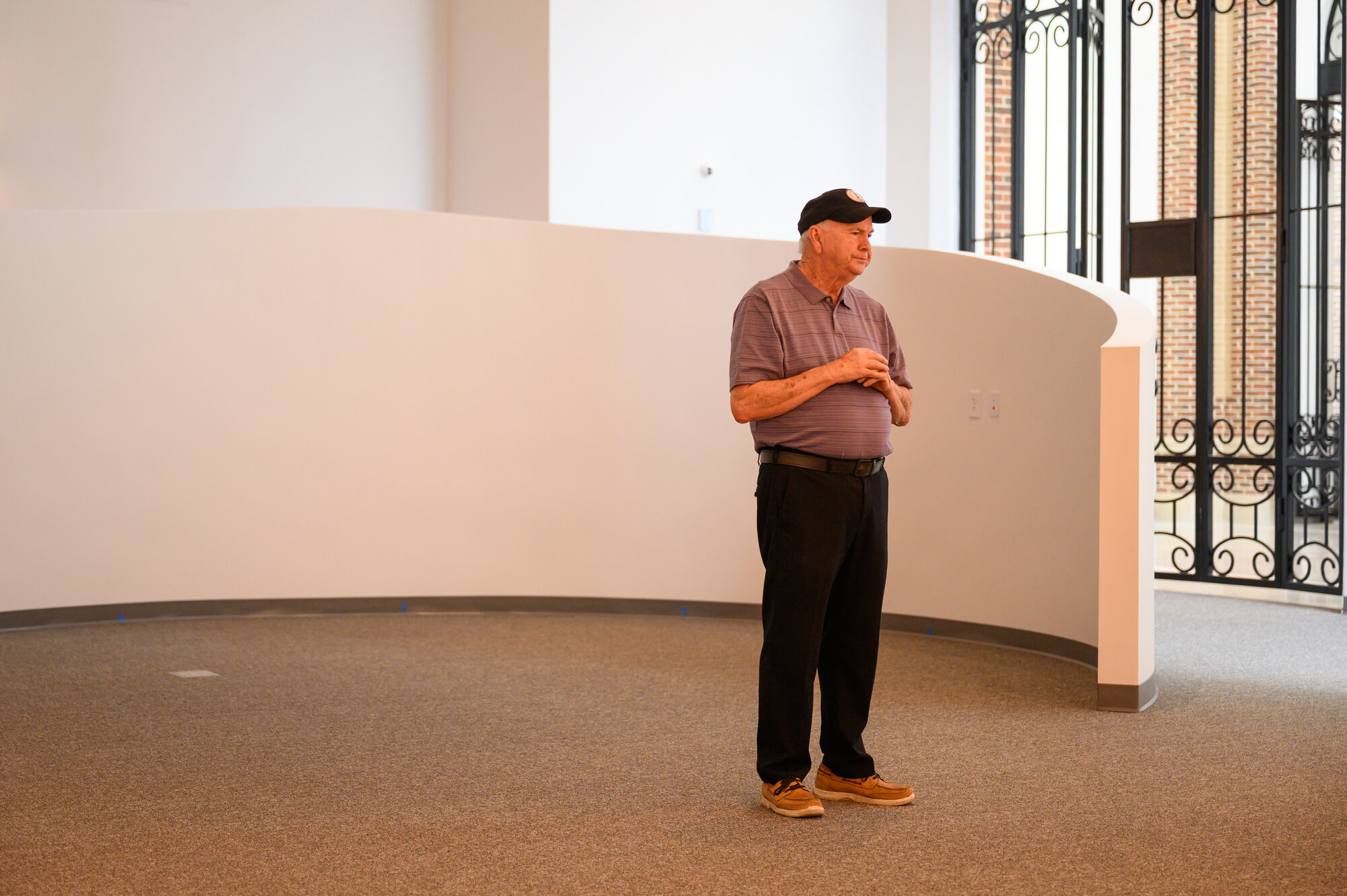
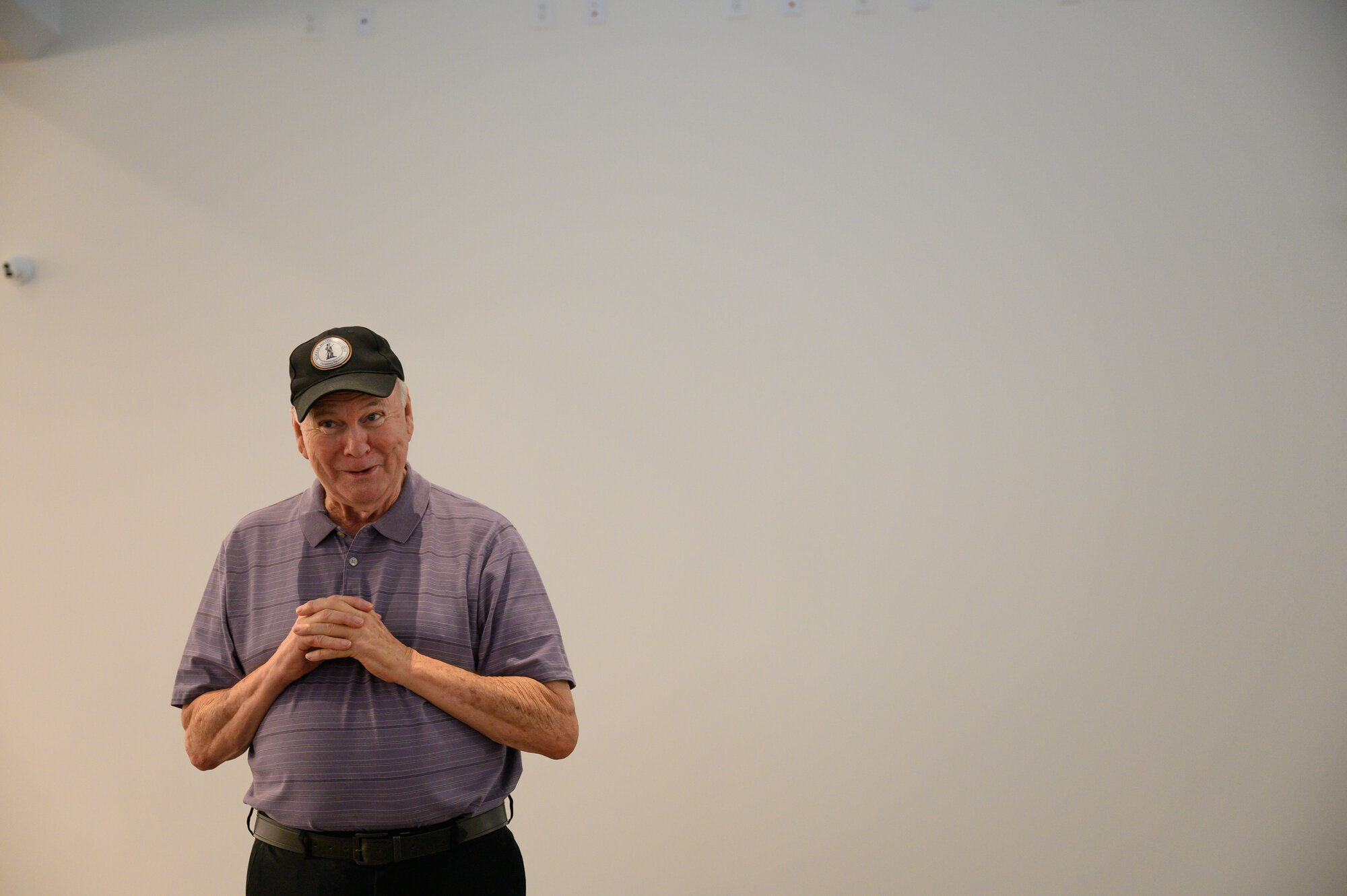
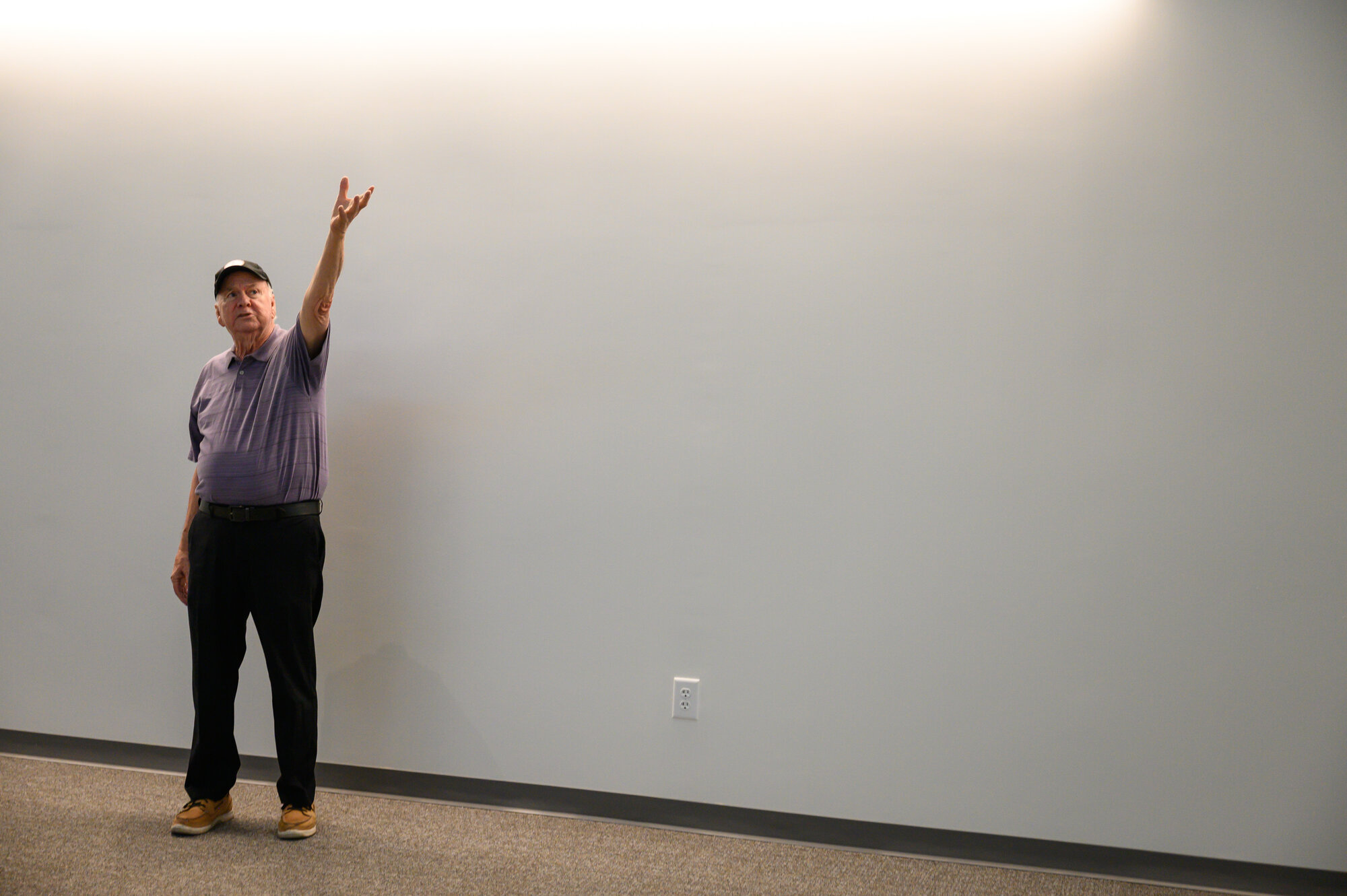
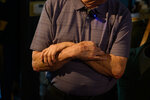
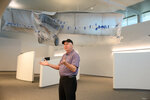
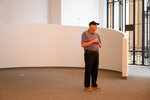
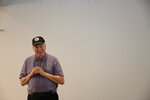
His excitement of what this museum will mean to the community is almost childlike. How he walks through the currently vacant space, mapping with his hands where the display cases will sit, where the monitors will display the faces of the bold and the brave, how he folds his hands when the sentiment of it all becomes palpable. It's endearing and inspiring to those who get to witness it.
But Way extends his own gratitude to the people who made it possible.
"I want them to be remembered," Way said about the veterans whose smiling faces line the walls. "I want them to be appreciated for the sacrifices and the things that they did. We owe them at least an understanding of what they were doing, what they did and how we can express our thanks to them."
"Sumter is an uncommonly patriotic city and I'm glad to be a part of it. I don't claim to be the example; I'm not. I'm just somebody who was interested in building something to be remembered. And here it is."