
Past is Present, presented by Sumter Museum: Sumter County Library holds space on its shelves for generations to come


Traces of the past are not always grand monuments or aged documents graced with intricate signatures.
Sometimes, a trace is left in the creak of a door as it's pushed open, among the echo of a room once filled with voices or between the shuffle of shoes across polished tile.
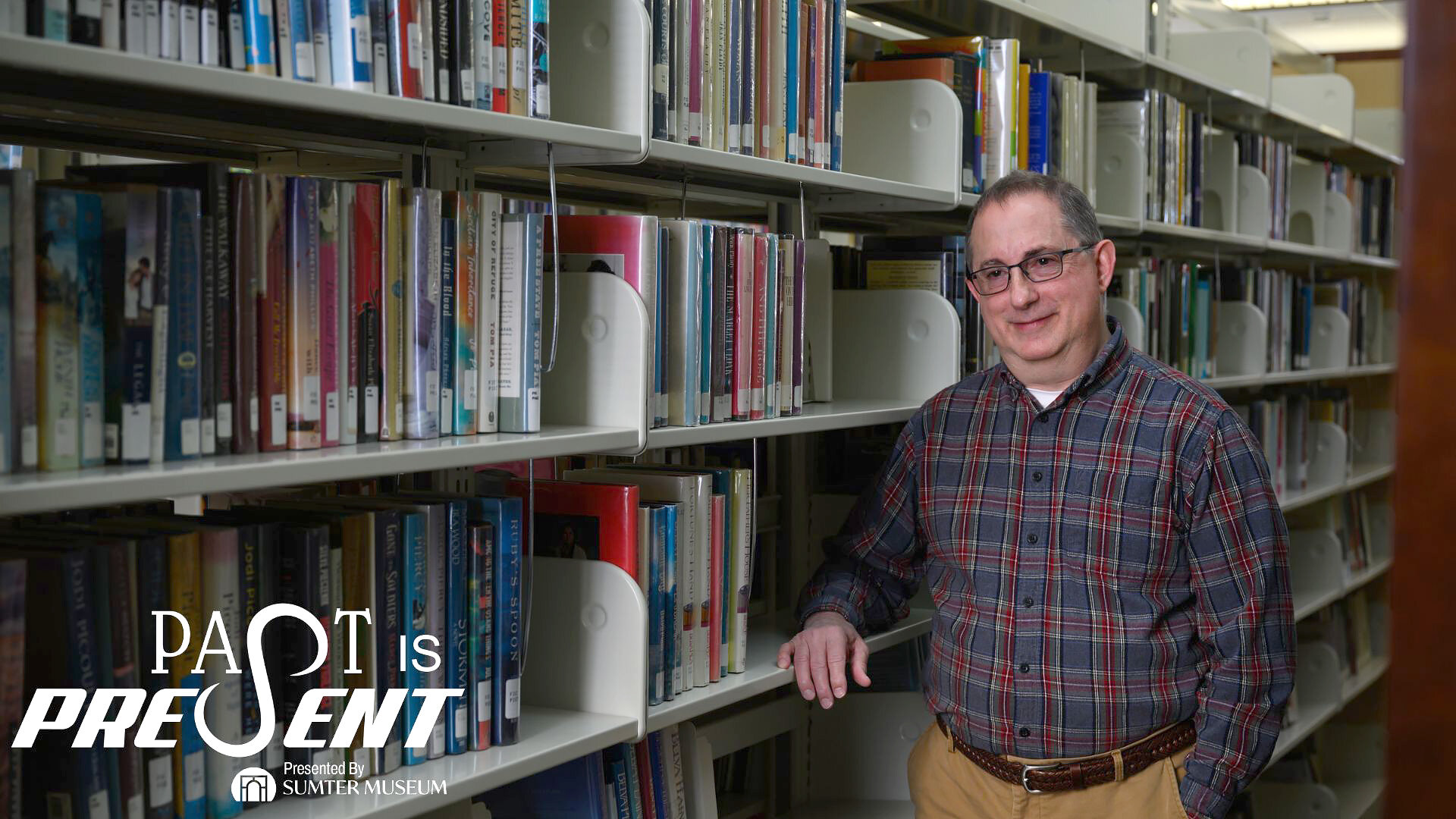
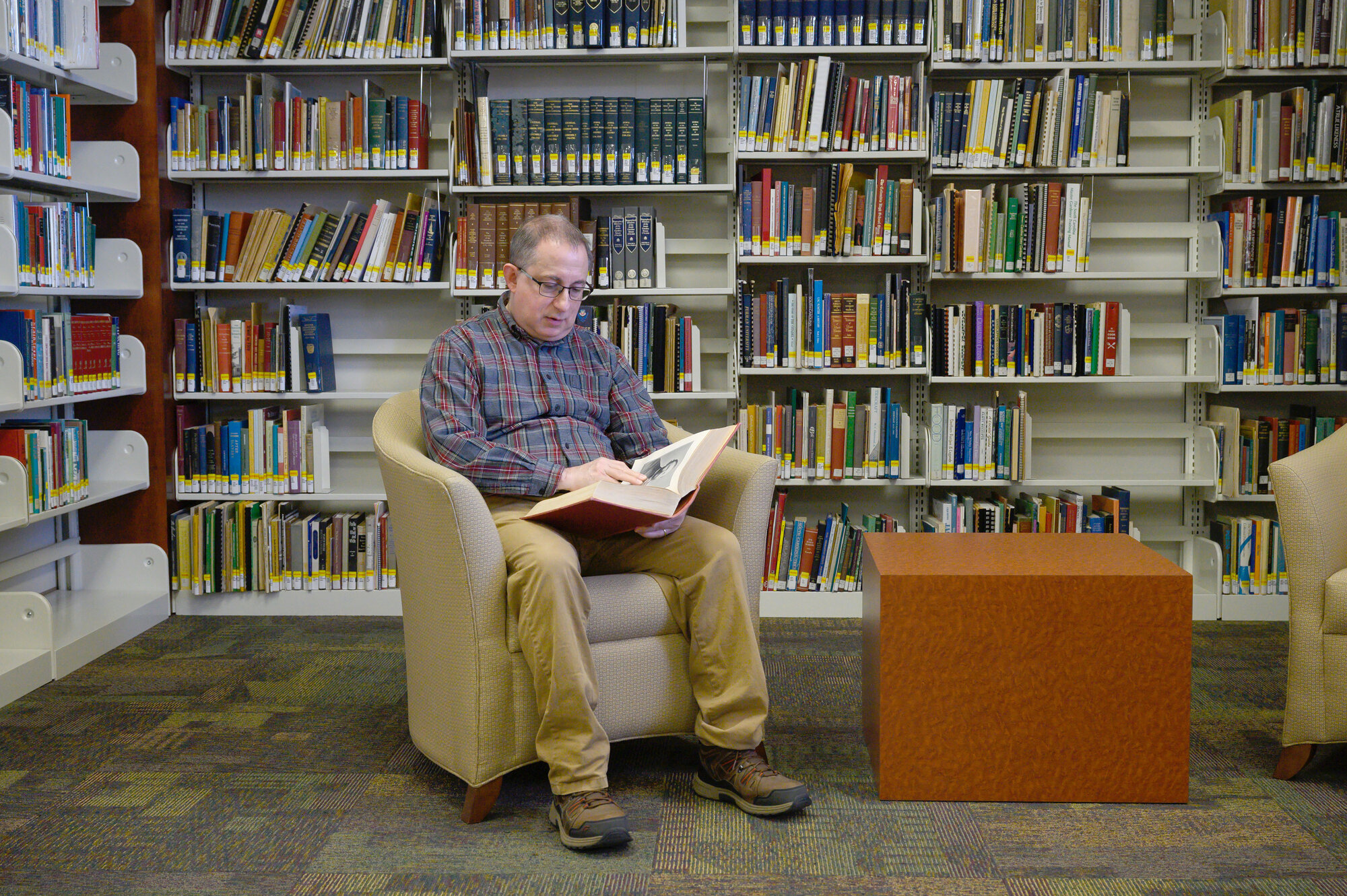
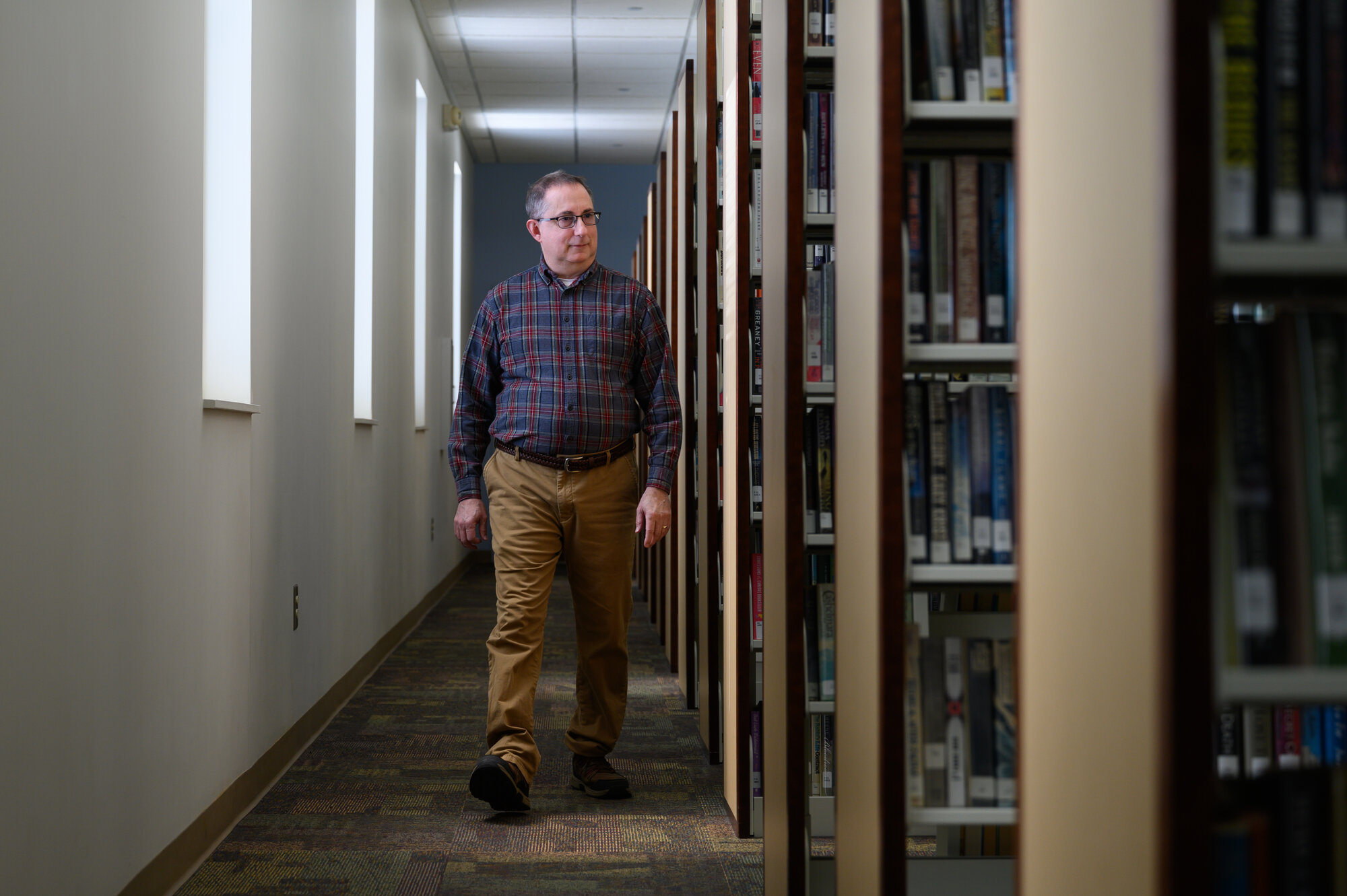
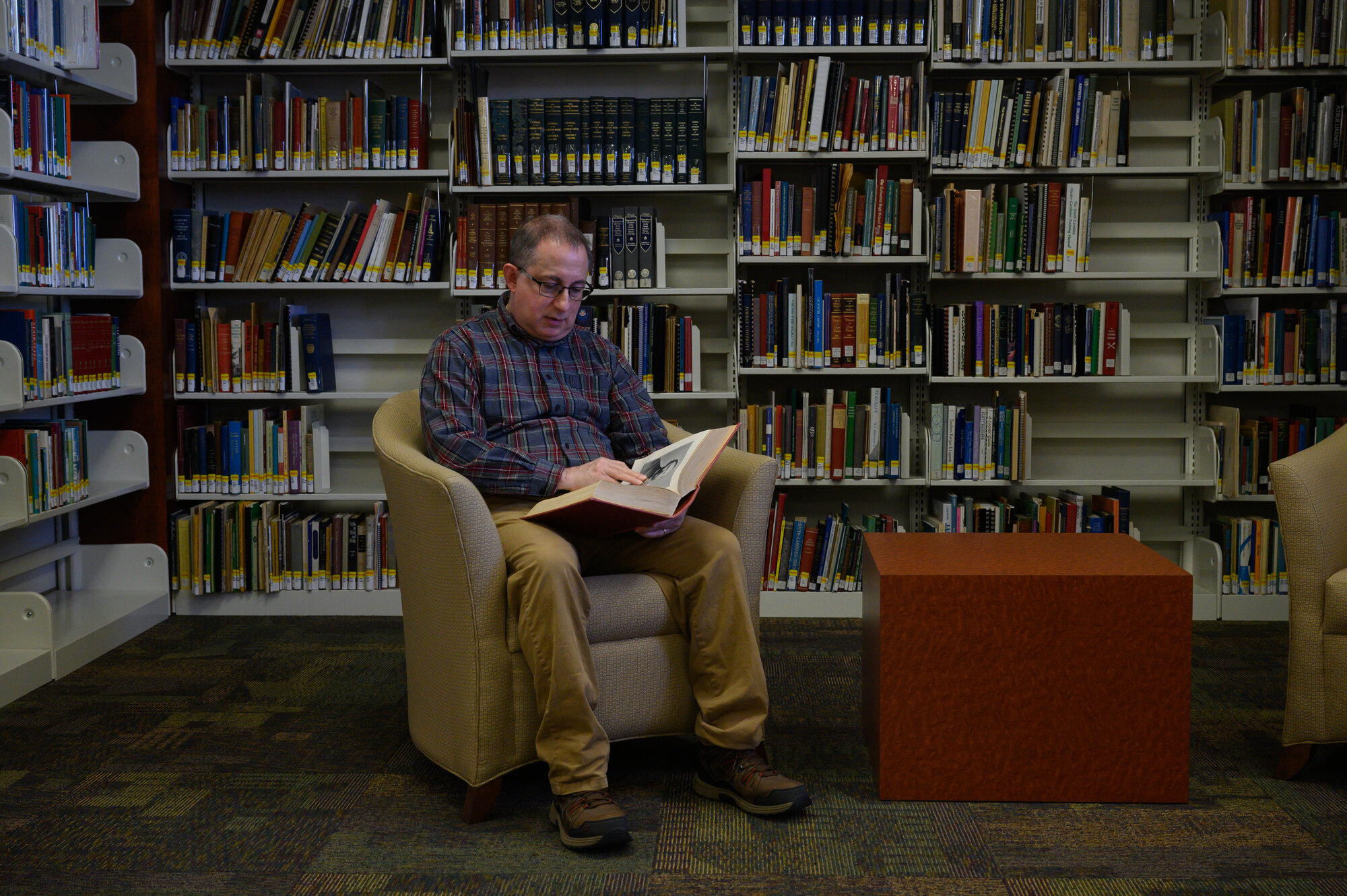
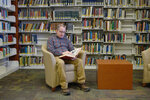
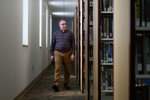
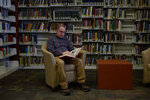
For Robert Harden, those traces linger in the book-clad shelves of Sumter County Library.
Harden has been a constant with the library for more than four decades, beginning his career there in 1980 and working his way up the ladder to being named its seventh director in 2007. But his connection to the literary ecosystem predates his time at the helm by years, tracing back to childhood visits long before the 111 N. Harvin St. location was erected.
Rather, his memories of a past worth preserving trace back to Sumter Carnegie Library on West Liberty Street.
The Sumter Carnegie Library was built in 1917, and, with aid from the Carnegie Foundation, solidified a formal library in the town after more than a century of book-lending services by Sumter Civic League to the Sumterville Circulating Library Society since 1809.
The Carnegie Foundation was founded by business entrepreneur and philanthropist Andrew Carnegie to donate money to establish libraries around the world. The $10,000 grant was made with the understanding that City of Sumter would annually provide $1,000 toward the operation of the library. The library was recently awarded $10,000 as part of Carnegie Libraries 250, a special initiative that celebrates the upcoming 250th anniversary of the signing of the Declaration of Independence and honors the roughly 1,280 Carnegie Libraries still serving their communities across the nation.
From 1883 through 1929, 2,509 Carnegie libraries were built and made available to the public - 1,689 in the United States alone. Sumter Carnegie Library was one of 14 public libraries the foundation helped build in South Carolina.
And it was - and still is - revered. A young Harden was wide-eyed every time he ventured to the brick building with his parents and siblings in the early 1960s. The children's department was tucked away in the basement. As he descended to the bottom floor, each step pulled him closer to a world of endless information and opportunities to expand their knowledge.
Central to Harden's earliest memories is Maddie Ivey, the children's librarian at the time. "Welcoming" is the word he used to describe her demeanor; she was someone who made the space feel special simply by being in it. That would remain true decades later when Harden returned to the library in the '80s. However, rather than his beloved librarian, she would be his colleague. The woman who once guided him through the children's section worked alongside him, a full-circle moment that reminded him of the lasting influence libraries can have across generations.
When Harden first began working at the library, technology looked vastly different. The most advanced piece of equipment in the space was a typewriter. Research materials were still nestled between volumes of reference books and encyclopedias, not a couple of mouse clicks and infinite scrolls away. The internet, as we know it today, did not exist yet.
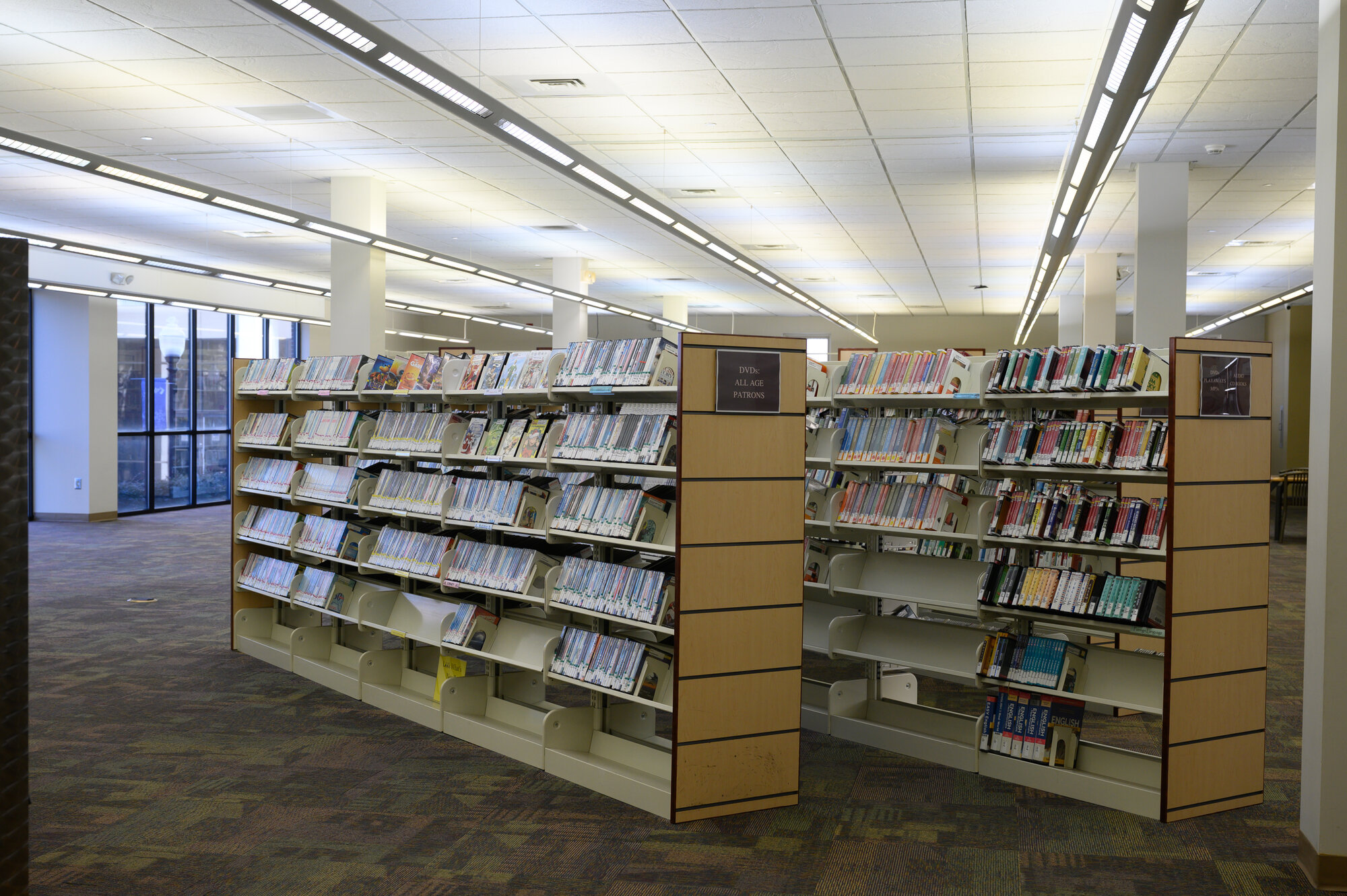
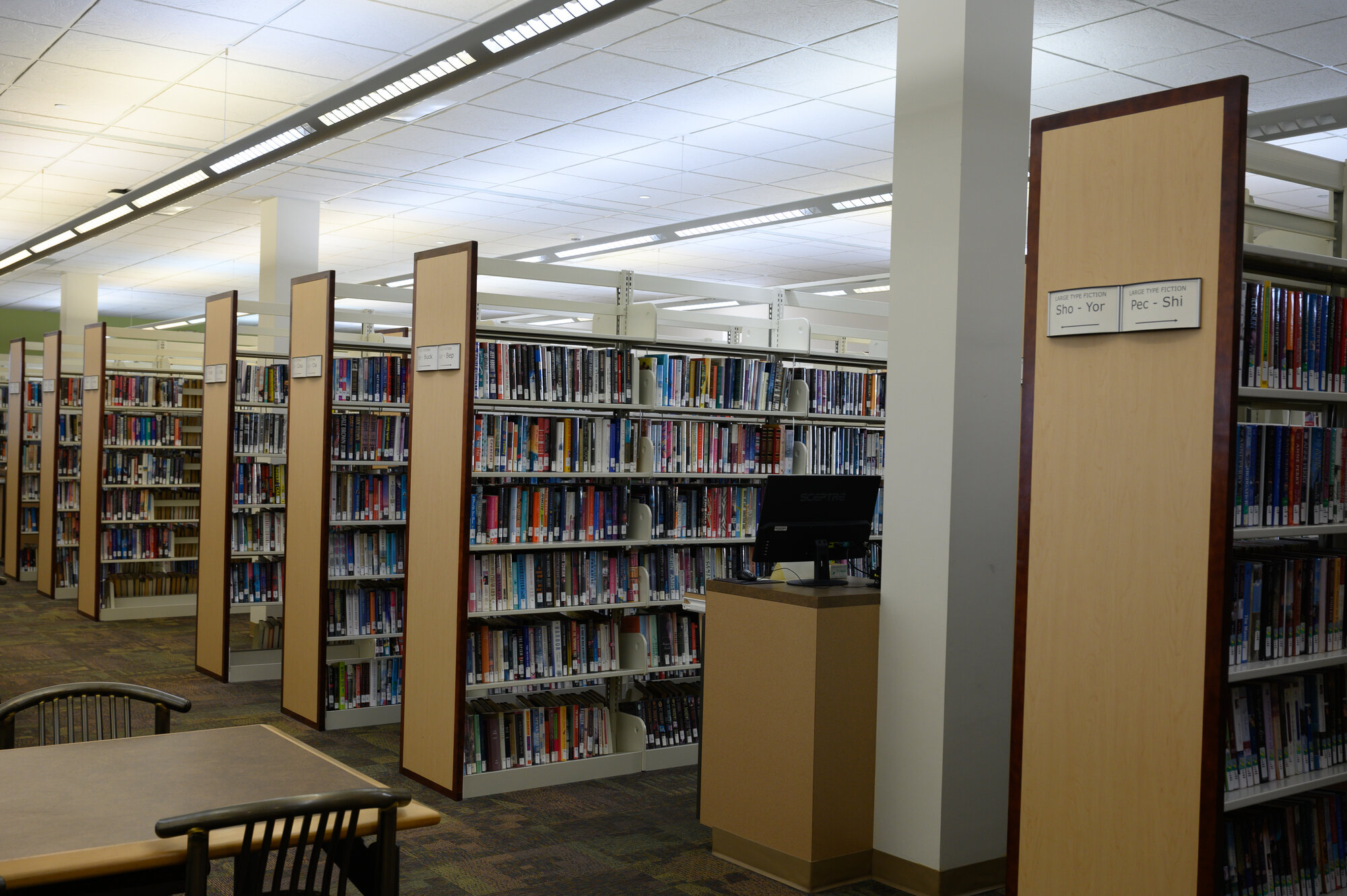
Through the years, he has watched that reality shift. At all three of its locations, including its Wesmark Branch at 180 W. Wesmark Blvd. and South Sumter Branch at 337 Manning Ave., public computers were added, internet access became widespread, and digital tools became integral to how information is found and shared. Through all this change, the most impactful was the library's new responsibility to its community.
"I think people think nowadays everyone's just kind of born with the tablet in their hand and knows how to do everything, but that's not necessarily always the truth. Some people do need help," Harden explained. " They need a place to be able to access the internet, and they also oftentimes need help finding the information or getting to the site or getting to what they need, whether they may be applying for a job online, whether they have to look up something from the Social Security Administration website, the unemployment website, as many things as you can think of that are online."
That access can alter lives - Harden has witnessed it firsthand.
He recalled a letter from a library patron who, years ago, had fallen on hard times and was homeless with their children. It was during that period of uncertainty that the library became their steady place, somewhere free of distractions and struggles to complete their homework or the family to think through their next steps. By the time the letter landed on Harden's desk, the family's circumstances had improved, and they felt it necessary for him to know how the library played a role in helping them move forward.
In that way, the library continues to serve as a bridge, ensuring that access to information, through physical pages or pixelated sites, is not determined by income, age or circumstances.
But alongside its commitment to make information accessible, the library remains committed to what inspired its existence: literacy.
Since a child, Harden understood the importance of early childhood literacy.
"Reading [lasts] a lifetime; it's something that you can do your whole life long," he explained. "Not that I'm an expert, but most of what I've read says the earlier that you can get children involved in reading - not even reading themselves but being read to them, the earlier you can get them started, the better it is for them to develop those literacy skills."
He has watched children grow up inside the library, similar to his own humble beginnings, and later come back as parents, introducing their own children to the same space where their love for reading and research first began. Access, however, is not always about returning to the building itself.
After years of service and a short lull in use because of the pandemic, the library's bookmobile was revived in 2023. The bookmobile brings books and library services directly to neighborhoods and schools throughout the community. Another letter that landed on Harden's desk was authored by parents after the passing of their daughter from a terminal illness.
"They were writing because they wanted to thank the library. The bookmobile had evidently gone out near their home, and they checked out from the bookmobile a lot of the audio books that we have, and their daughter would listen to them," he shared. "There's just so many of those examples, so many kinds of stories of the way that the library really affects people's lives."
Beyond books brought to a neighborhood near you and computer access at the ready, the library continues to broaden what access looks like. There are programs such as book clubs, including a new teen book club set to launch in early 2026; a partnership with South Carolina State Library to provide state park passes to enjoy the state's beauty and serenity; a seed library to give newcomers and naturals to the skill of gardening a chance to flex their green thumbs; craft classes for adults and children; and, on occasion, an opportunity to enjoy artwork that is inspirational, engaging and raises awareness.
All of these programs, partnerships and purposeful outreach opportunities point back to the one central theme for the library: to remain present within its community. Adapting its services and specialties to the wants and needs of its community has allowed Sumter County Library to remain a constant for generations - and that's not going to change any time soon.
"Almost from the day I started, you're always hearing that physical books are going to go away, they're no longer going to be here. That was in 1980, and we're here in 2025 - almost 2026 - and books are still here. They have not gone away; in my opinion, they're never going to go away," Harden expressed. "People are always going to want the physical books that, of course, has been from the beginning of libraries and still is. I think it will continue to be one of the resources."
From the beginning of libraries to their place in communities today, as long as there are people seeking knowledge, comfort or connection, there will always be a need for a space that makes room for all three.