
Protein: The building block your body needs
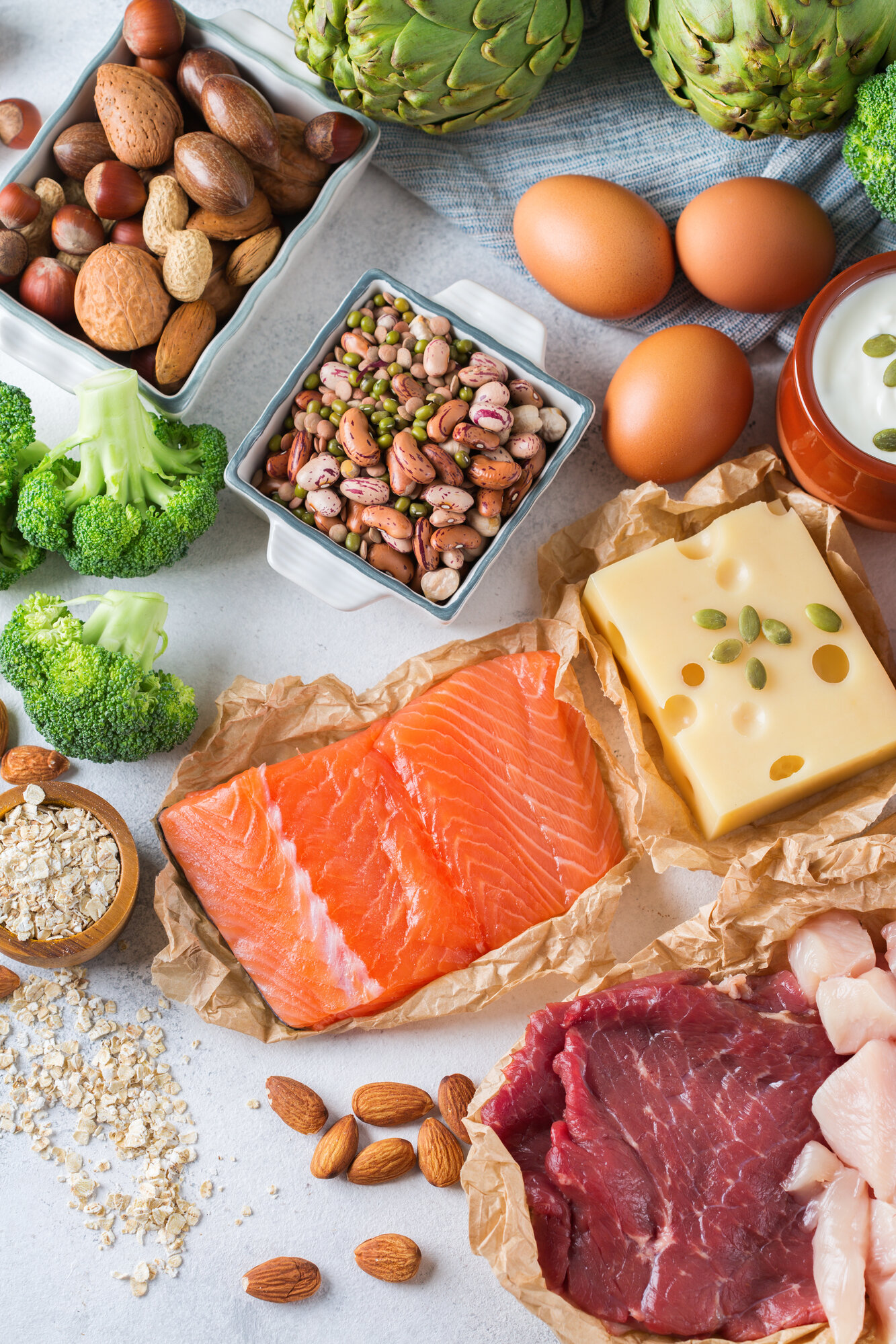
If your body were a house, protein would be part of its frame. You can paint the walls and add new furniture, but without a strong structure, the house cannot function as it should. Our bodies are similar. Protein provides amino acids, which are the building blocks used to build, maintain and repair tissues throughout the body. We all need it, at every age.
According to Harvard Health, protein contributes to muscles, bones, cartilage, skin, blood, enzymes, hormones and immune function. Throughout life, the body continually breaks down and rebuilds proteins, making adequate dietary protein important for growth, tissue repair, recovery and maintaining muscle. Protein becomes especially important as we age because we become more susceptible to losing muscle mass.
The Recommended Dietary Allowance for the average adult is 0.8 grams of protein per kilogram of body weight per day, or about 0.36 grams per pound. Protein needs can vary based on age, activity level, health status and goals like building or maintaining muscle.
Nutrition experts recommend meeting protein needs by consuming whole foods like fish, poultry, eggs, Greek yogurt, cottage cheese, beans, lentils, tofu, tempeh and edamame. Protein powders and shakes can be convenient when appetite, schedules, athletic training or increased protein needs make it difficult to get enough from food, but they aren't necessary for most people. Supplements can also contain added sugars, sweeteners and other ingredients, so read labels carefully.
Although many foods contain protein, that doesn't necessarily make them a primary protein source. Vegetables, whole grains, nuts and seeds all contribute some protein, and those grams count. But consider how much protein a food provides in a normal serving. A cup of broccoli, for example, contains only a few grams, while three ounces of chicken may provide around 25 grams, a cup of lentils about 18 grams and Greek yogurt roughly 15-20 grams.
Think of a primary protein source as the food you can build the protein portion of your meal around. Other foods on your plate can contribute additional protein while providing carbohydrates, healthy fats, fiber, vitamins and minerals.
Vegetarians who eat dairy or eggs have additional options such as yogurt, cottage cheese, milk and eggs. Vegans can rely on tofu, tempeh, edamame, lentils, beans, peas, seitan, nuts, seeds and whole grains. A varied plant-based diet can provide the essential amino acids the body needs.
Protein isn't a magic nutrient, and more isn't automatically better. But getting enough quality protein consistently matters. If your body is the house you plan to live in for a lifetime, make sure you're giving it the building materials it needs to keep the frame strong with these tips:
- Build your meals around the type of quality protein you are eating.
- Ask one question: "Where is my primary protein source?"
- Spread protein throughout the day rather than trying to get most of it at dinner.
- Pair protein with strength training.
- Look at the whole food.
People with certain medical conditions may need individualized protein recommendations. Consult your physician or registered dietitian before significantly increasing protein intake or adding supplements.
Missy Corrigan is the chief executive officer of the YMCA of Sumter. You can email her at mcorrigan@ymcasumter.org.