
Safety should be top of mind this hunting season
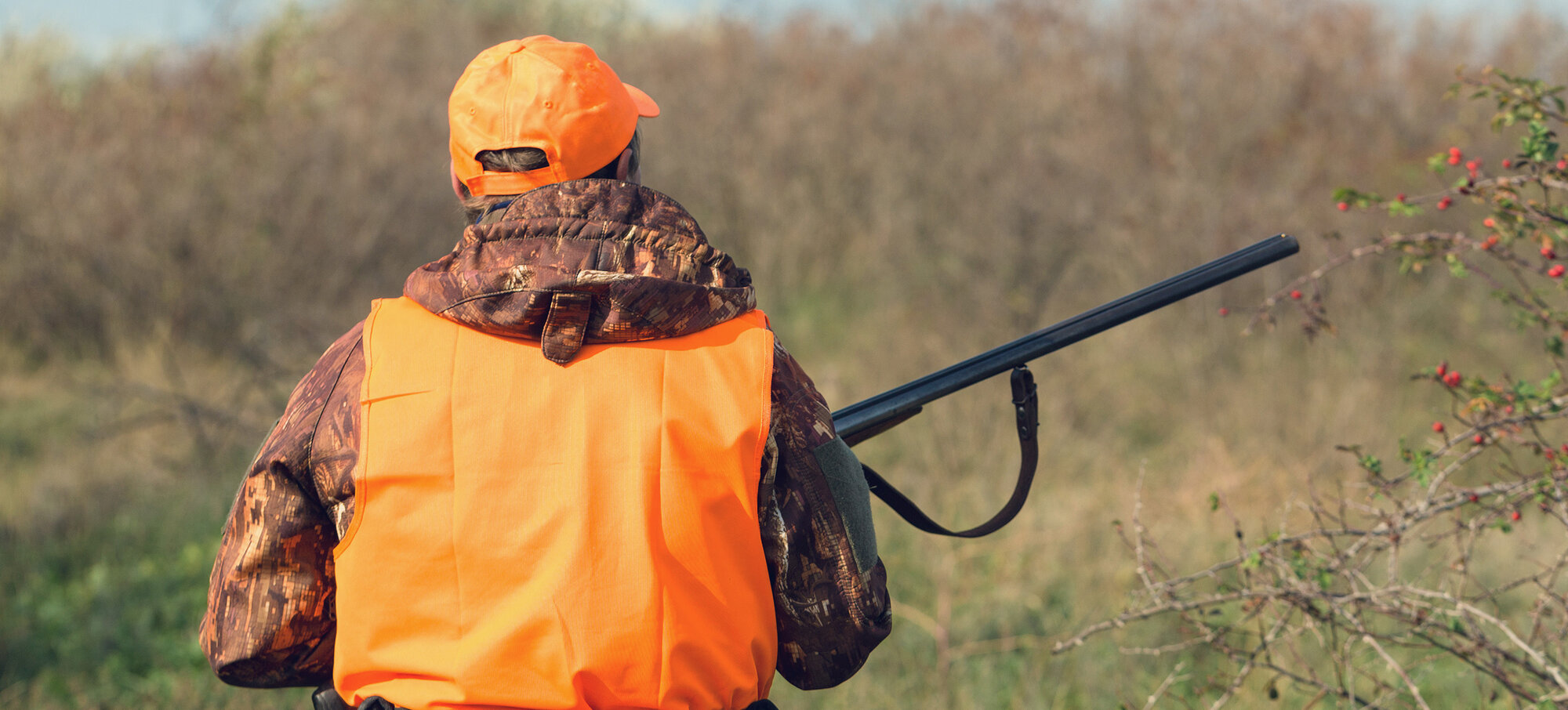
This spring, our state Department of Natural Resources shared that hunting-related fatalities have decreased recently, thanks to emphasizing safety and awareness while in the great outdoors.
South Carolina DNR announced in April that two hunting-related deaths were recorded in 2025, which is down from five such deaths the year before.
"Officials say the decline represents something larger: a growing emphasis on safety, awareness and shared responsibility outdoors. As even one is too many, the goal is zero," DNR wrote in a news release in April. "For many South Carolinians, hunting is a long-standing tradition woven into the state's culture and economy. But even for those who don't participate, the impact of safer practices extends beyond the woods, affecting families, first responders and communities statewide. Fewer accidents mean fewer emergencies, fewer lives disrupted and a stronger sense of public safety overall."
"Safety in the field doesn't happen by chance; it's built through education. The continued decline in hunting-related incidents is a direct result of emphasizing hunter education," Capt. Charlotte Mayhugh said in the release.
That education starts young. The department focuses on teaching young hunters through its Take One Make One program, during which officers and experienced hunters mentor the younger hunters to help them learn about all facets of hunting, including responsibility in the field.
In South Carolina, all residents and nonresidents born after June 30, 1979, must complete a hunter education course before a hunting license can be obtained, and there are several options for taking the course, including in person with DNR (free) and online (includes a fee). For more on these classes and requirements, visit dnr.sc.gov/education/hunted.html.
Beyond the field, the department also wants to emphasize firearm safety after the hunt ends. It works with Project ChildSafe to remind hunters this season that "The Hunt Isn't Over Until Firearms are S.A.F.E. and Secure." SAFE stands for:
-Secure your firearms when not in use;
-Be Aware of those around you who should not have unauthorized access to firearms;
-Focus on your responsibility as a firearm owner;
-and Educate yourself and others about safe firearm handling and storage.
Project ChildSafe has plenty of resources covering proper firearm storage and safety, including a checklist on safe hunting for families, tips and guidelines on safe firearm handling and talking with kids about gun safety. Find these resources at https://projectchildsafe.org.
For more information about the Take One Make One program for hunters age 12 to 17, call 1-800-277-4301. You can also find the brochure with attached hunter education application at dnr.sc.gov/education/tomo/pdf/brochure.pdf. You can also contact DNR if you'd like to become a mentor for the program.
Despite the increase in safety awareness, DNR warns that "leaders emphasize that progress doesn't mean the work is done. Hunting, like many outdoor activities, carries inherent risks, and maintaining this downward trend will require continued awareness and accountability from everyone involved."
PROTECTING DEER, TOO
Along with programs and measures to protect humans during hunting seasons, safety also encompasses correctly transporting deer carcasses within South Carolina to protect deer here and the state's hunting heritage. DNR has been trying to prevent Chronic Wasting Disease from entering the state by enforcing a set of rules for what is allowed to come into the state and what is not. These measures were set up to prevent the deadly disease from entering the state's deer population and were enacted regarding North Carolina cases in 2022 before deer hunting season began. DNR has regulated transportation of deer, elk and moose from states with CWD since 2004.
According to DNR, what is allowed to come into South Carolina:
- Quarters (hams and shoulders) or other portions of meat with no part of the spinal column or head attached.
- Meat that has been boned out.
- Hides with no heads attached.
- Clean skulls with no meat or tissue attached, clean skull plates with antlers attached, antlers detached from the skull plate and finished taxidermy heads.
What IS NOT allowed to come in from North Carolina or any other state with CWD cases:
- Any whole deer, field-dressed deer or intact carcass.
- Any deer head except finished taxidermy, clean skulls or clean skull caps.
- Any portion of the neck or spine.
"CWD is a transmissible and always fatal neurological disease that affects cervids, including white-tailed deer. The disease is slow to advance and infected deer may appear healthy, making proper transport or disposal important," DNR wrote in the news release about the North Carolina restrictions. "An infected carcass or carcass part, if not disposed properly, can contaminate the environment, persist for years and potentially infect deer in the area."
Violating the state statute is a misdemeanor and punishable by a fine of up to $500 or up to 30 days in jail.