
Why do we like being scared? The science behind Halloween
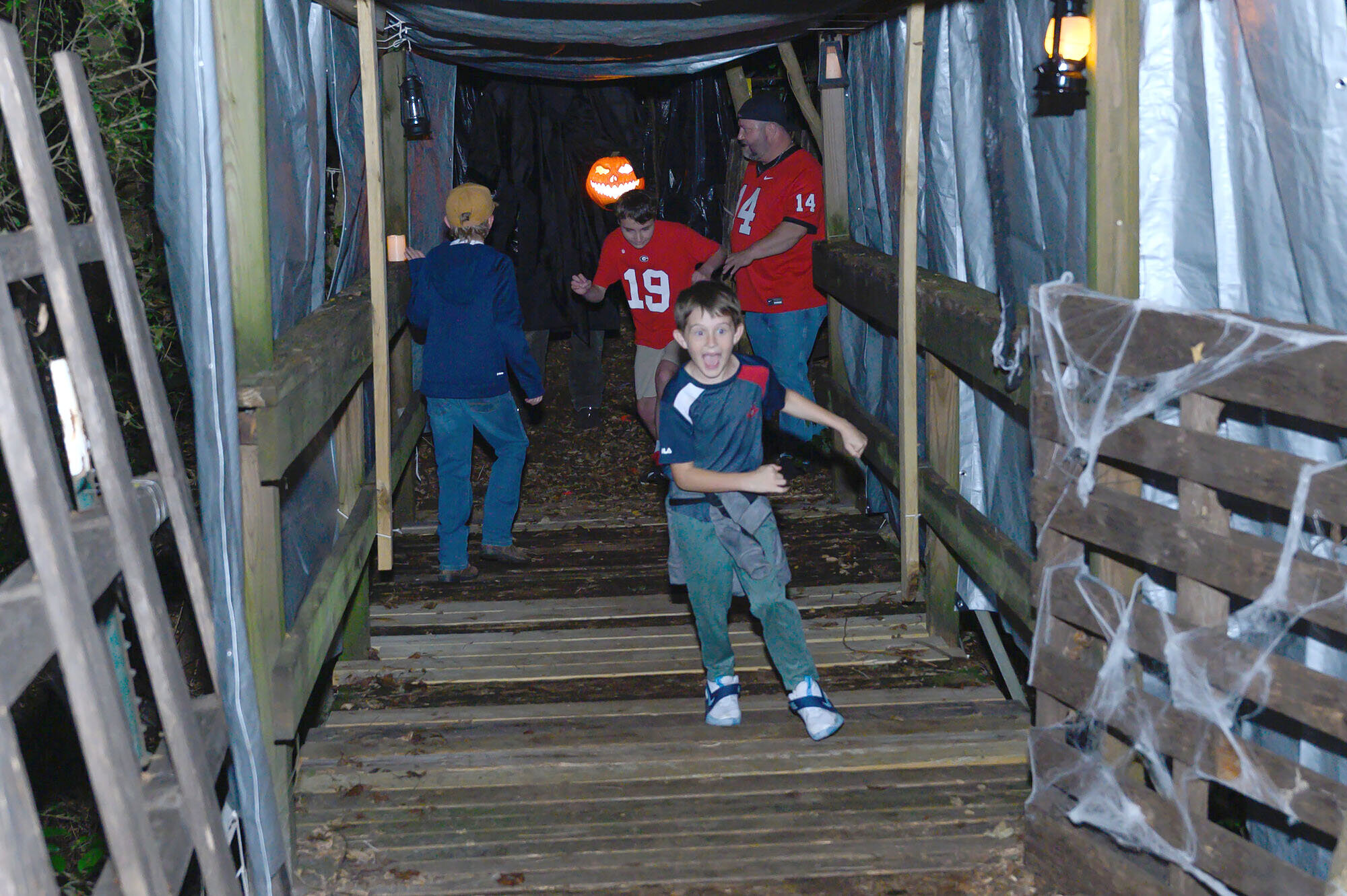
As Halloween approaches, haunted houses, horror movies and jump scares are taking center stage. While some people eagerly seek out frightening experiences, others would rather avoid them altogether. So why do so many people enjoy being scared?
According to Clemson University psychology professor Cynthia Pury, who studies courage, fear and anxiety, the answer may come down to one important factor: knowing we're actually safe.
Why fear can be fun
Pury says the enjoyment people get from being scared may share similarities with why people find certain things funny.
One explanation comes from a psychological concept called benign violation theory, which suggests people find something humorous when it violates their expectations without presenting a genuine threat.
Pury points to the childhood game of peekaboo as an example. While the sudden appearance of a parent's face might briefly startle a baby, the experience often produces laughter once the child recognizes there's no danger.
That same relationship between surprise, fear and amusement can help explain why jump scares in horror movies sometimes make audiences laugh rather than scream.
Why some people love a scare and others don't
Not everyone experiences fear the same way. Pury explains that individual differences in anxiety sensitivity and sensation seeking can influence whether someone enjoys frightening experiences.
People with high anxiety sensitivity tend to dislike the physical sensations associated with fear, while those who are high in sensation seeking may enjoy the adrenaline rush that comes with a haunted house, roller coaster or scary movie.
For others, enjoying a frightening experience may depend on knowing what happens next. Pury says some horror fans actually prefer spoilers because knowing how a story ends helps them feel prepared for frightening or emotionally difficult moments.
Can being scared help us face our fears?
While Halloween scares are primarily about entertainment, Pury says repeatedly experiencing something frightening can also change how people respond to fear.
She points to exposure therapy, a commonly used psychological treatment that helps individuals manage excessive fears through repeated, controlled exposure to what frightens them.
Although visiting a haunted house isn't the same as participating in exposure therapy, both illustrate how context and repeated experiences can influence our reactions to fear.
Ultimately, Pury says the key to enjoying a good scare is having the right environment.
"At Halloween, we have a whole bunch of structures that are set up to remind us that this is fun and this is safe," she said.
Whether it's watching a horror movie from the comfort of the couch or walking through a haunted attraction with friends, Halloween offers an opportunity to experience the excitement of fear without facing genuine danger.
About Cynthia Pury
Cynthia "Cindy" Pury, Ph.D., is a professor of psychology at Clemson University whose research focuses on courage, fear and positive psychology. Her work explores the role of courage in everyday life, including mental health, health care, workplaces and interpersonal relationships.