
Healthy aging is about maintaining strength
For years, the conversation around aging has focused on trying to stop it, hide it or reverse it. Advertisements promise "anti-aging" solutions through creams, supplements and procedures designed to make people look younger. But healthy aging is not about pretending we are not getting older; it is about maintaining the strength, mobility, energy and independence needed to continue living well. The goal should not be to avoid aging. The goal should be to age strongly.
As the body ages, certain physical changes naturally occur. Muscle mass tends to decline, bone density decreases, joints stiffen, and recovery may take longer. However, many of the limitations people associate with aging are not caused by age alone. They are often related to inactivity, poor nutrition, chronic stress or lack of strength training over time.
According to the National Institute on Aging, regular physical activity can help preserve mobility, balance, strength and cognitive function as people age. Remaining active reduces the risk of falls, chronic disease and loss of independence. Healthy aging is not about trying to look young forever. It is about being able to confidently carry groceries, climb stairs, travel, play with grandchildren and recover from setbacks.
Strength is one of the best predictors of longevity, yet it is often overlooked in conversations about health, especially for older adults. Muscle plays a critical role in protecting the body as we age. The American College of Sports Medicine emphasizes that resistance training helps preserve muscle mass, bone health, balance and metabolic function throughout the aging process.
Strength training is also associated with improved posture, reduced fall risk and better overall quality of life. Muscle is not just about appearance; it is protective tissue. It supports joints, improves stability and helps maintain independence. Healthy aging is not simply about being strong; it is also about moving well. Mobility and balance help maintain confidence and reduce injury risk.
Research supported by the Centers for Disease Control and Prevention shows that falls are a leading cause of injury among older adults, but many are preventable through regular movement, balance exercises and strength training. Simple activities such as walking, stretching, resistance exercises and practicing balance can significantly improve long-term function.
Strength also requires proper fuel. Protein intake becomes increasingly important with age because the body becomes less efficient at maintaining muscle mass over time. Hydration, fiber and nutrient-dense foods support energy, digestion and recovery. Healthy aging is built through daily habits, not quick fixes.
Aging is inevitable, but it should not automatically be associated with weakness or decline. Many older adults today remain active, capable and engaged because they prioritize movement, strength, social connection and overall wellness. The focus should shift from "anti-aging" to "pro-aging" - supporting the body so it can continue functioning well for as long as possible.
If pain, instability or chronic health conditions limit movement, consulting a health care provider, physical therapist or certified exercise professional can help create a safe and effective plan for maintaining strength and mobility. Incorporate these tips for healthy aging:
- Incorporate strength training at least two days per week;
- Prioritize balance and mobility exercises regularly;
- Stay physically active throughout the day;
- Consume adequate protein and stay hydrated;
- Maintain social connections and mental engagement; and
- Focus on consistency rather than intensity.
Healthy aging is not about stopping time. It is about building and maintaining the strength, resilience and mobility needed to continue enjoying life with confidence and independence.
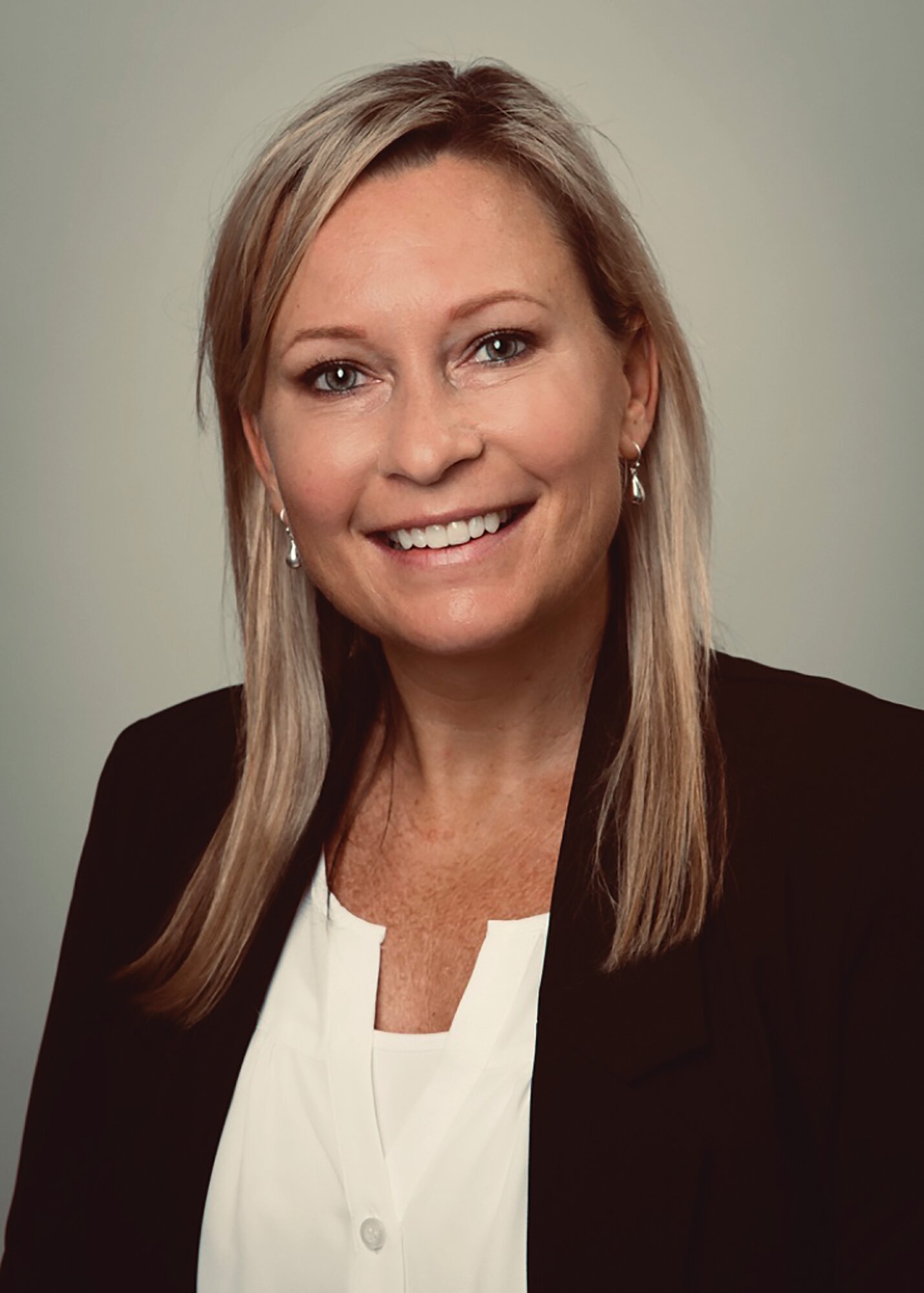
Missy Corrigan is the chief executive officer of the YMCA of Sumter. You can email her at mcorrigan@ymcasumter.org.