
Mackenzie Sholtz: Bringing history to life through dress

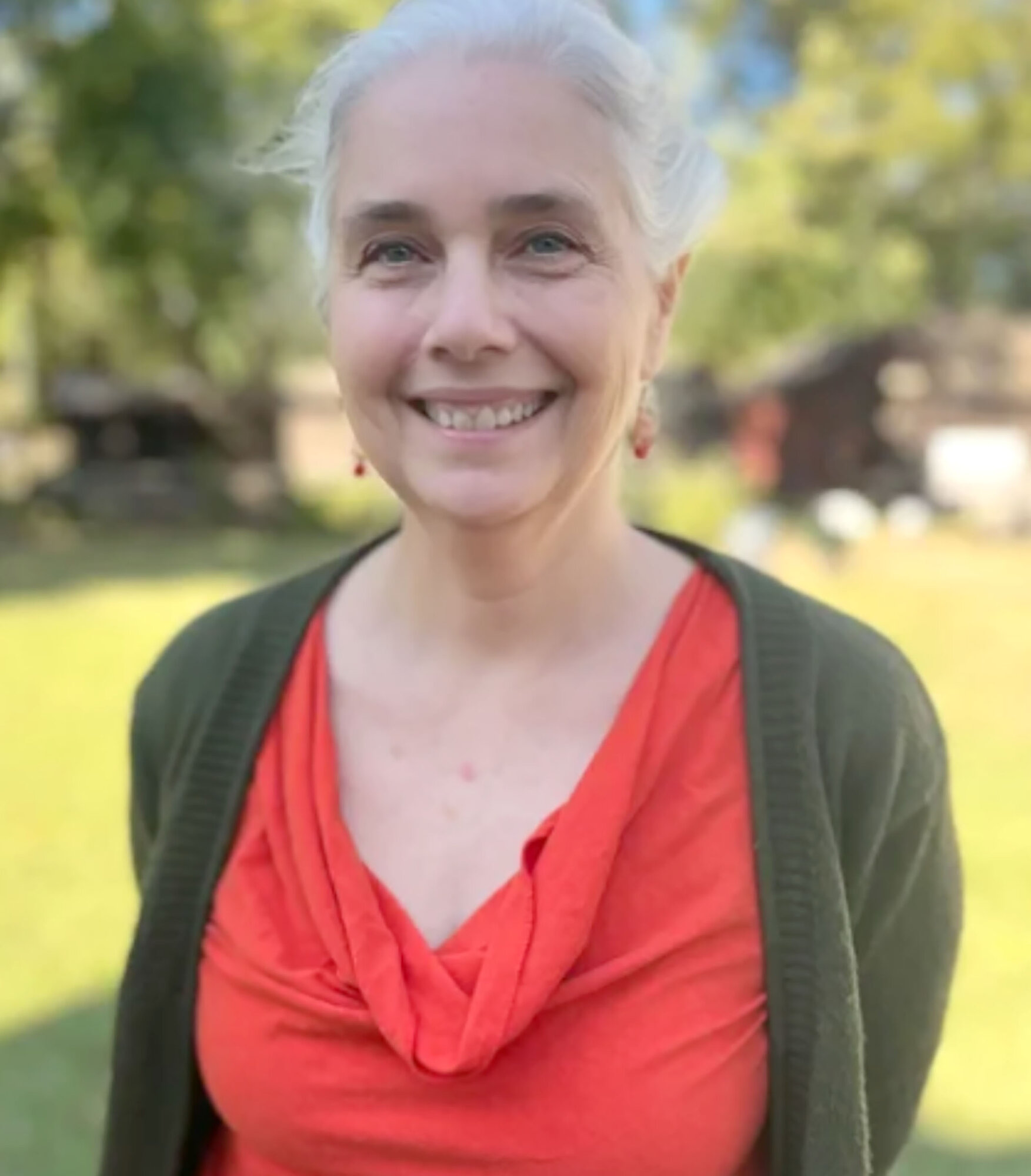


Mackenzie Sholtz, owner of Fig Leaf Patterns and a Sumter County Executive 250th Committee member, has spent much of her life in and out of museums, documenting historic garments and measuring them for collections. When she moved to Sumter, volunteering at Sumter Museum felt like a natural fit.
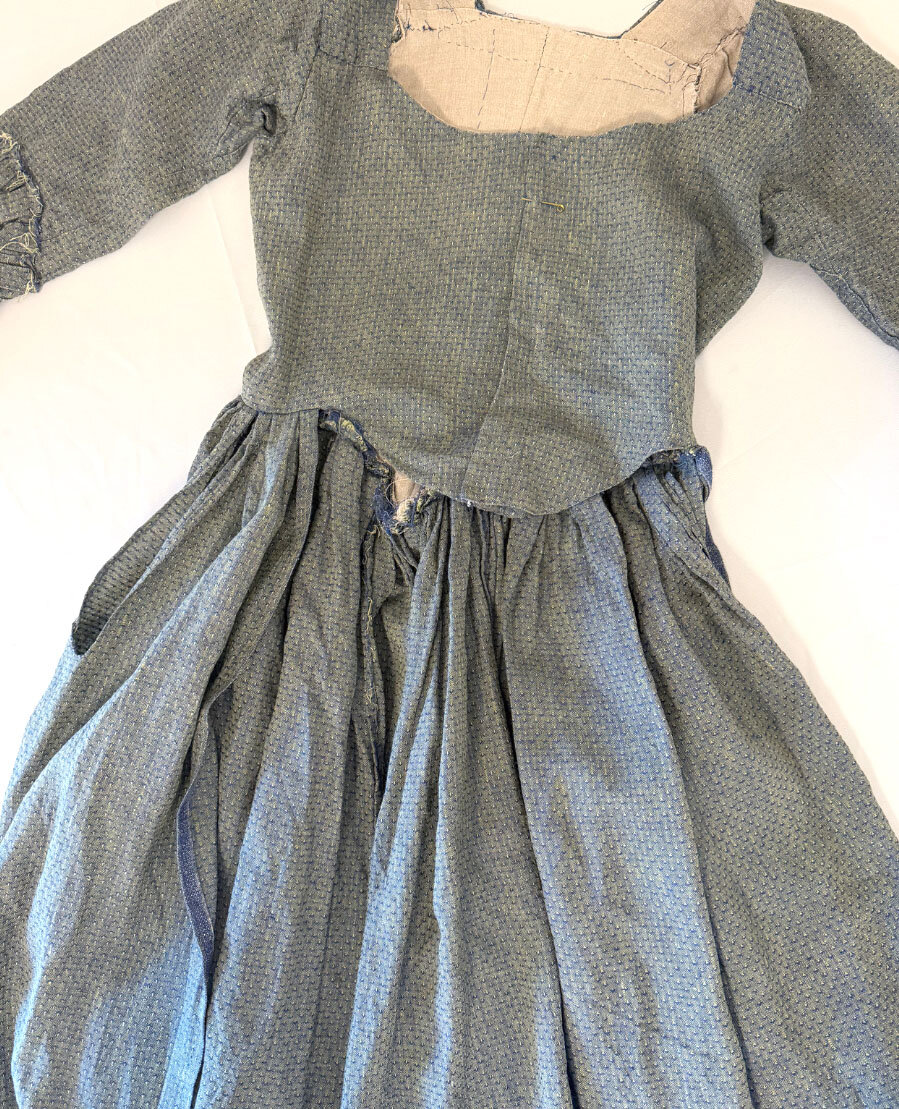
"I got started here at the museum when Katherine, the former director, asked me for suggestions for patterns that her volunteers could wear," Sholtz said. "I told her there weren't any good ones, and that's when she mentioned there was an original 1770s gown in their collection."
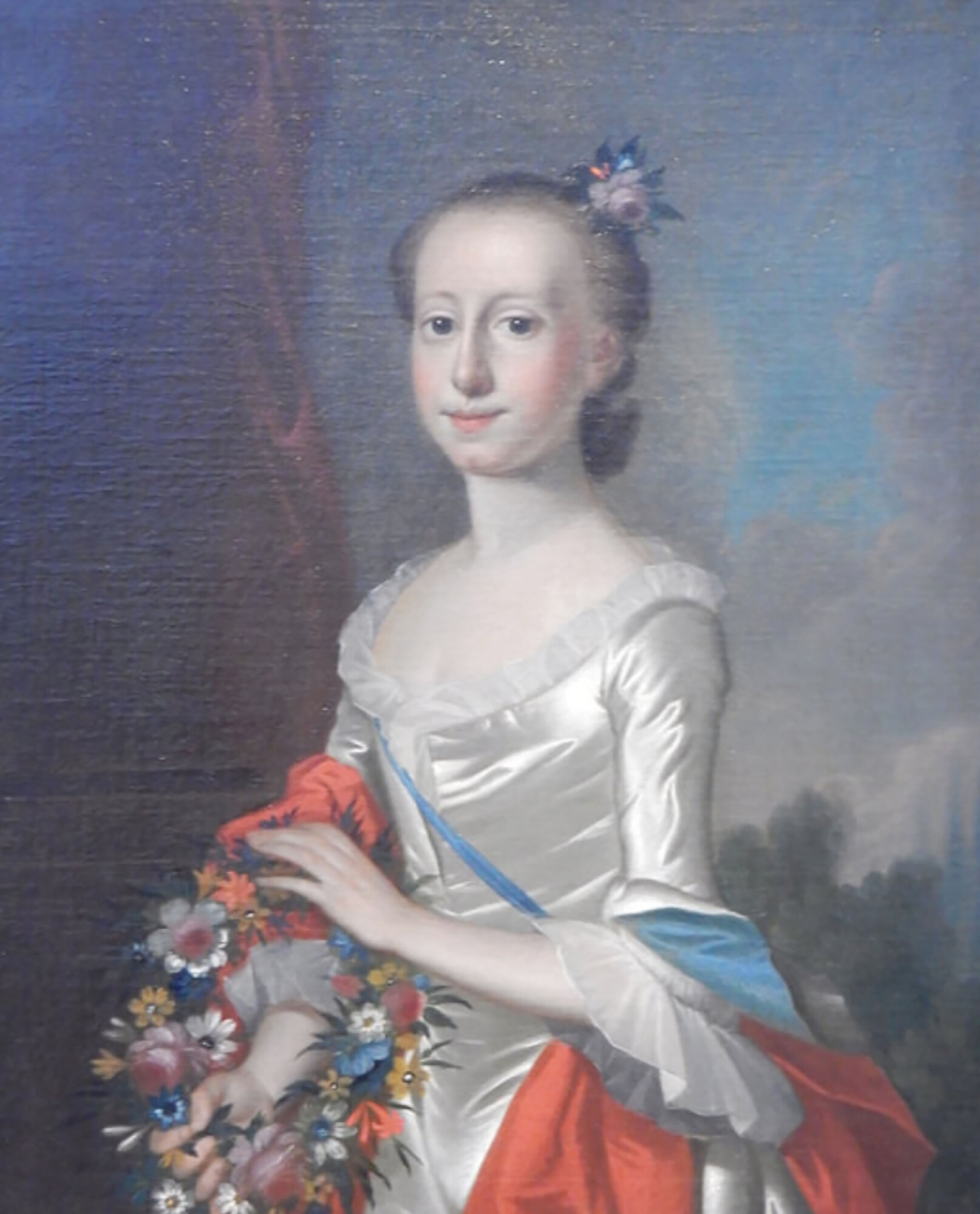
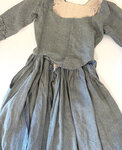
That gown, an open robe worn by Elizabeth Allen Deas (1742-1802), became the foundation for something much larger. Born in 1742 to William and Mary Keating Allen, Deas grew up on a plantation in the greater Charleston area. Her dress, though fragile, offers a rare glimpse into 18th-century craftsmanship.
The project of drafting a pattern from the gown for use by museum staff during Backcountry Days in South Carolina ultimately inspired Sholtz to create the Fig Leaf Pattern line. Each pattern in the collection is based on a real historical garment.
"They're kind of like dissertations," Sholtz said. "I am so lucky and privileged to work with museums like the Sumter Museum, where they allow me to handle and document these pieces, especially ones that are 'shattering,' like the Deas dress."
The original gown is hand-sewn from lightweight, ivory-striped silk. Because of its age and chemical degradation, the fabric has begun to "shatter," breaking apart like delicate glass. While the garment is now too fragile to be displayed, it continues to provide valuable insight into colonial-era sewing techniques and construction.
"At least we have documentation of how it was made," Sholtz explained. "That allows us to replicate it and better understand these garments. Whether modern sewers follow those techniques or not is up to them, but I can show them what I've seen. It becomes a kind of mini tour of history."
For Sholtz, clothing is far more than costume. It is a living connection to the past.
"Each dress tells its own story," she said. "When I step into these garments, it transports me. You feel history differently - the weight of the fabric, the cut of the clothing, the way it moves. It connects you to the legacy of the women who came before."
Keep an eye out for future sewing opportunities with Sholtz. Her work in "Handwork Exhibit: Celebrating Community-based Art and Art Education," showcases Aug. 27 to Oct. 23 at Sumter County Gallery of Art.
For 250th anniversary-related sewing classes, check out "Learn to Make History: The 1700s," an introductory sewing course offered by Sumter County Gallery of Art in partnership with Sumter Museum. In this three-week course starting Aug. 1, students will create a wearable final garment inspired by colonial dress and participate in a Revolutionary High Tea at Sumter Museum Gardens on Saturday, Aug. 22.
Registration is open. To register or learn more, visit https://tinyurl.com/2b4jhejp.