
Past is Present, presented by Sumter Museum: Executive Director Rivers talks 50 years of the museum's significance in preserving Sumter's history
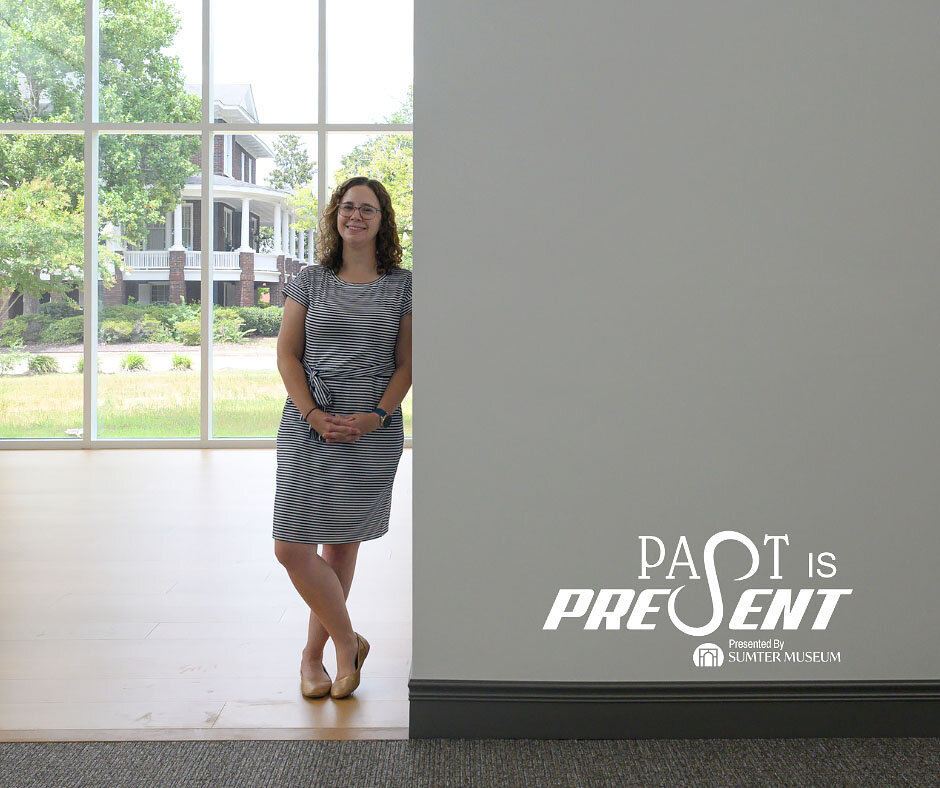









As a young girl growing up in Myrtle Beach, Annie Rivers knew Sumter by the road that ran through it.
Family trips often meant traveling U.S. 378, passing through a city that was familiar to her, even if she hadn't fully explored it yet. Her family loved history, which meant detours to museums and historic sites whenever they could, including visiting the gravesite of Revolutionary War Gen. Thomas Sumter.
She never imagined those childhood drives would one day lead her back to Sumter, and this time, she wasn't a traveler.
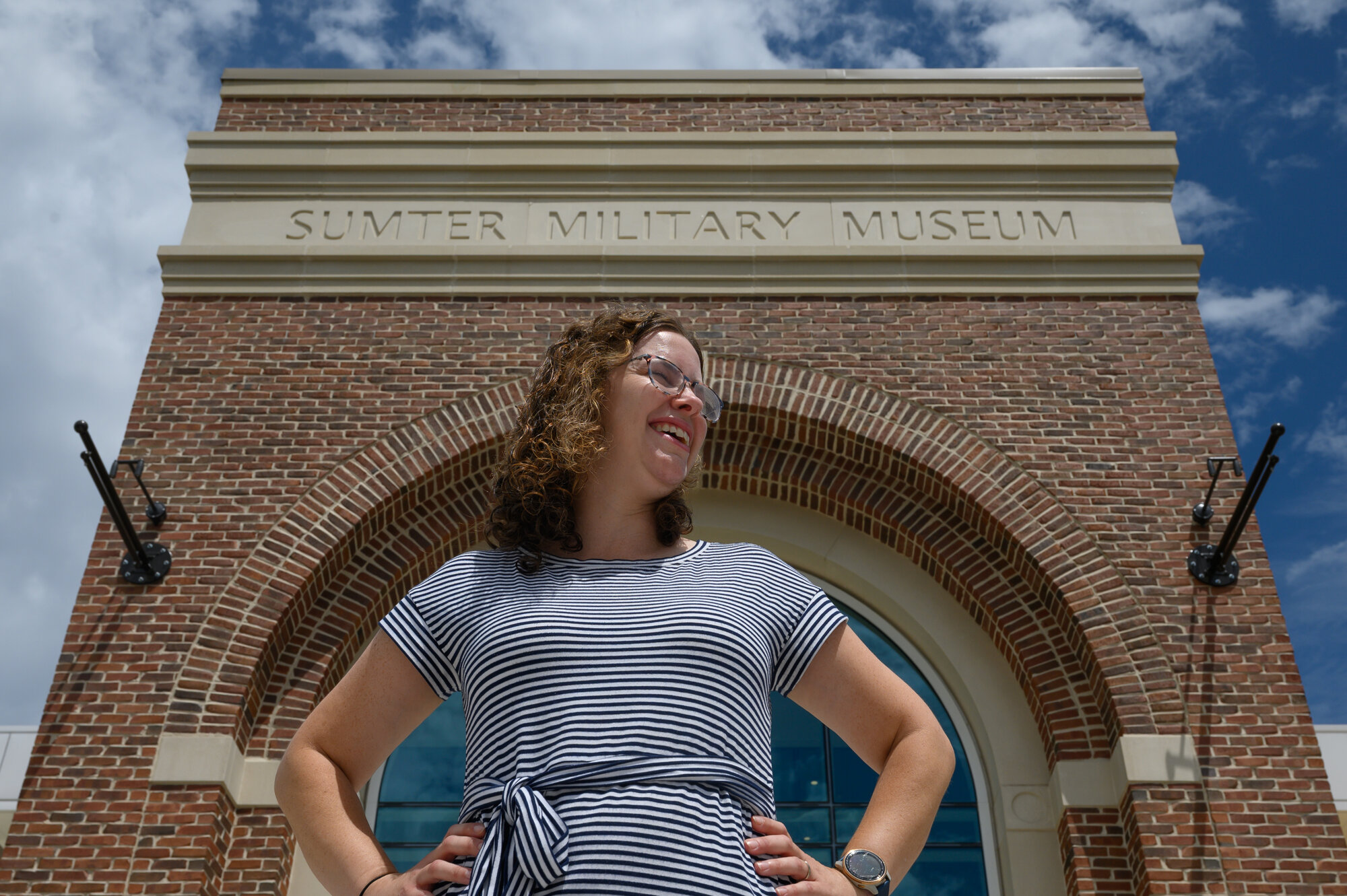
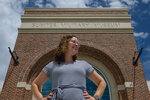
After earning a master's in public history, with a focus in museum studies, she interned at Fairfield County Museum. That experience led her to the role of executive director of Sumter Museum in 2013. The role allowed her to take her love for history beyond the classroom and share it with the greater community she's come to call home.
"What we're trying to show is that it's so important to understand the identity of the place that you are from or the place that you're visiting. It plays a part in who you are, where the community is moving, how the nation is moving," she explained. "You can learn so much from those who came before us - patterns of history, learning about the different conflicts, learning about how Sumter became the way it is today."
And as they celebrate 50 years of the museum's place in the community, they honor the legacy that was laid long ago. The Williams-Brice House was built in 1848 by Andrew Jackson Moses and Octavia Harby Moses. The couple moved to Sumter - then called Sumterville - three years earlier, purchasing 42 acres of land to build a space large enough to house the couple and their 17 children. The large home was filled with many footsteps from both the family and the nearly 300 students who attended Sumter Graded School, the public school operating in the Moses' home from 1889 to 1891. The house was passed down through the generations, landing in the hands of Virginia Moses Phelps and her husband, Aaron Cohen Phelps. In 1916, the Phelpses remodeled the home, preserving much of its original structure while modernizing its brickwork, central heating and air, indoor plumbing, five bathrooms, a mudroom and a thermostat.
O.L. Williams and his wife, Mattie Bahnson Williams, along with their 18-year-old daughter Martha, purchased the house from the Phelpses in 1922. By the time Martha was 26, she had met and married Thomas Harding Brice in the alcove of the home in 1952. Since the Brices never had children, Martha left the home to her two nephews. Their heirs would donate the home to Sumter County Historical Society in 1972. Four years later, the house was formally dedicated to Sumter Museum in June 1976.
In the decades that followed, the museum grew in size and its ability to preserve Sumter's rich history.
With 1998 came the addition of the Carolina Backcountry Homestead. The attraction replicates what a one-family farm would look like in the 1800s and features a blacksmith shop, a loom house with a working weaving loom, spinning wheels, an 1812 settler cabin relocated from Pinewood, a brick oven and an outhouse. It has become a beloved attraction for community members to witness living history demonstrations and a favorable destination for school tours and children's crafts and games.
In 2003, the Heritage Education Center was added. Its versatility has allowed the museum to host programs, including lectures, speaking events, book talks, children and adult education programs, meant to foster engagement and encourage discussion on a variety of topics. The space is also available for wedding receptions and community events.
But the museum is not only focused on preserving the past. It also desires to preserve a living legacy before it disappears. In 2018, the museum partnered with Temple Sinai to preserve the story of Sumter's Jewish community, whose merchants, business owners and civic leaders helped shape the city's identity for generations. As the congregation shrunk, members wanted to ensure their historic synagogue and their stories would live long after they were gone. Today, visitors can explore exhibits on Jewish life in Sumter and South Carolina, explore the sanctuary and learn the stories of its vivid stained-glass windows and learn about the Holocaust through the firsthand testimony and oral history of Abe Stern, a survivor who lived in Sumter.
While the museum's historic sites tell the story of where Sumter has been, its newest addition is focused on where Sumter is headed.
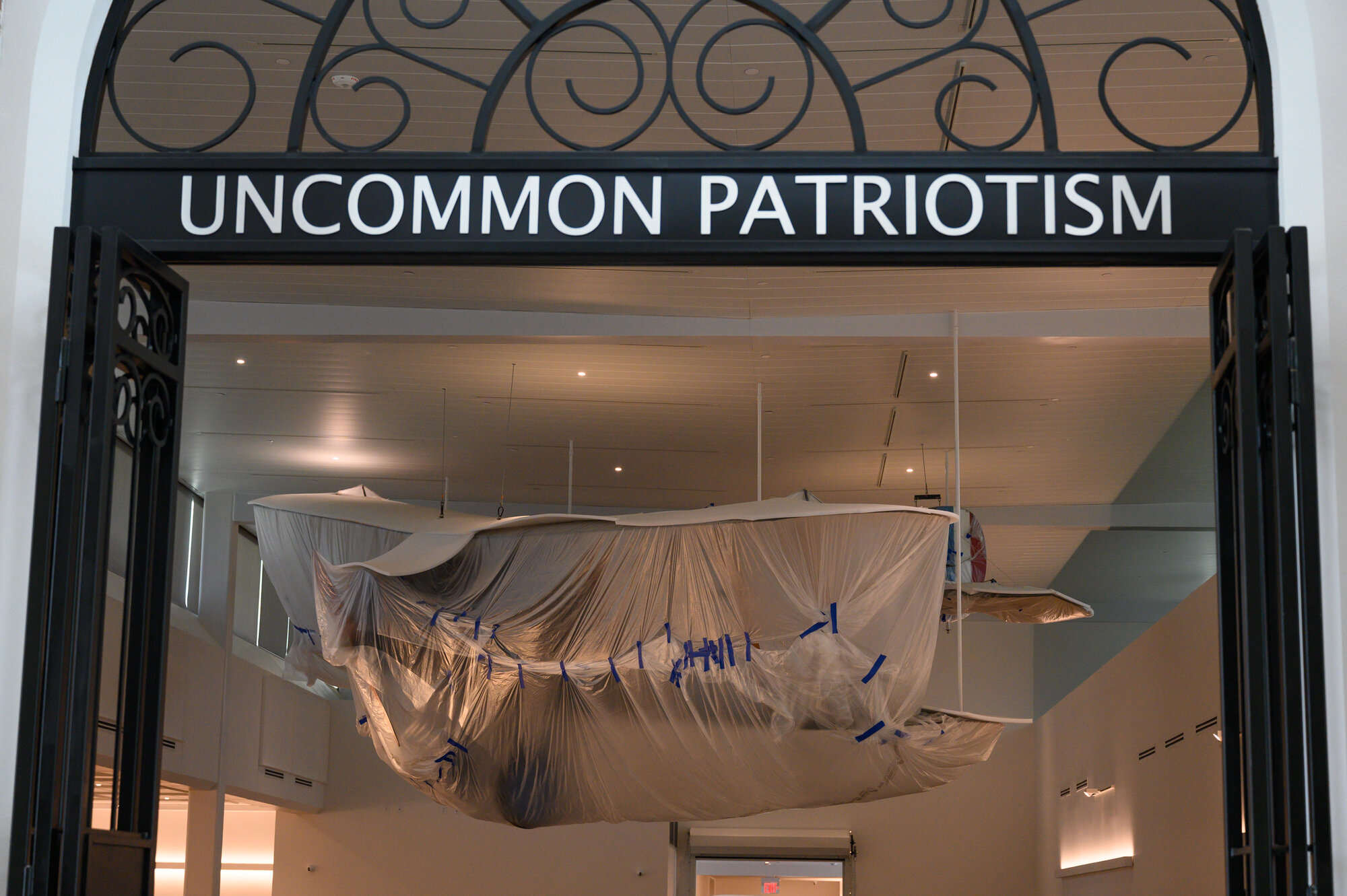
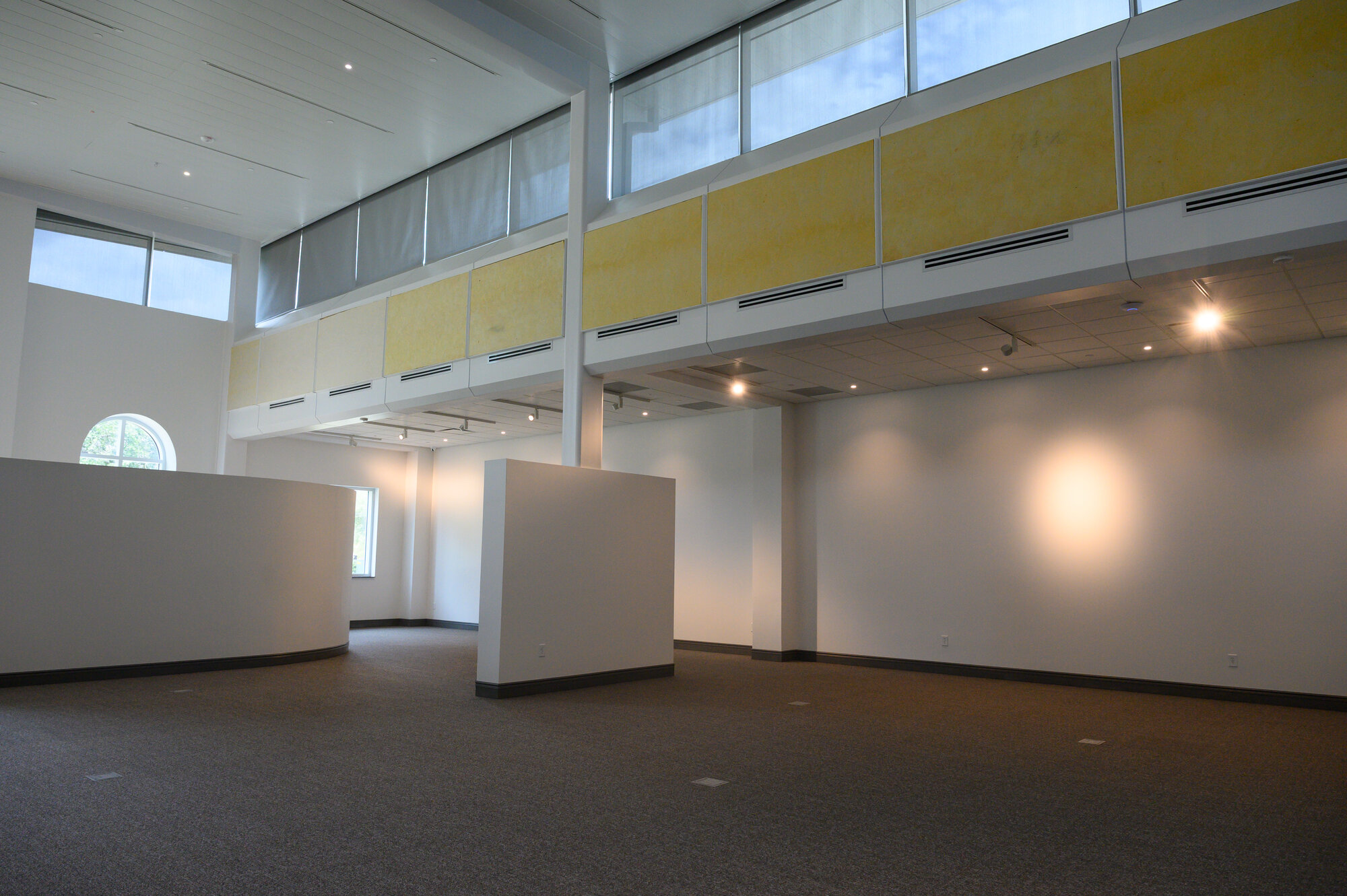
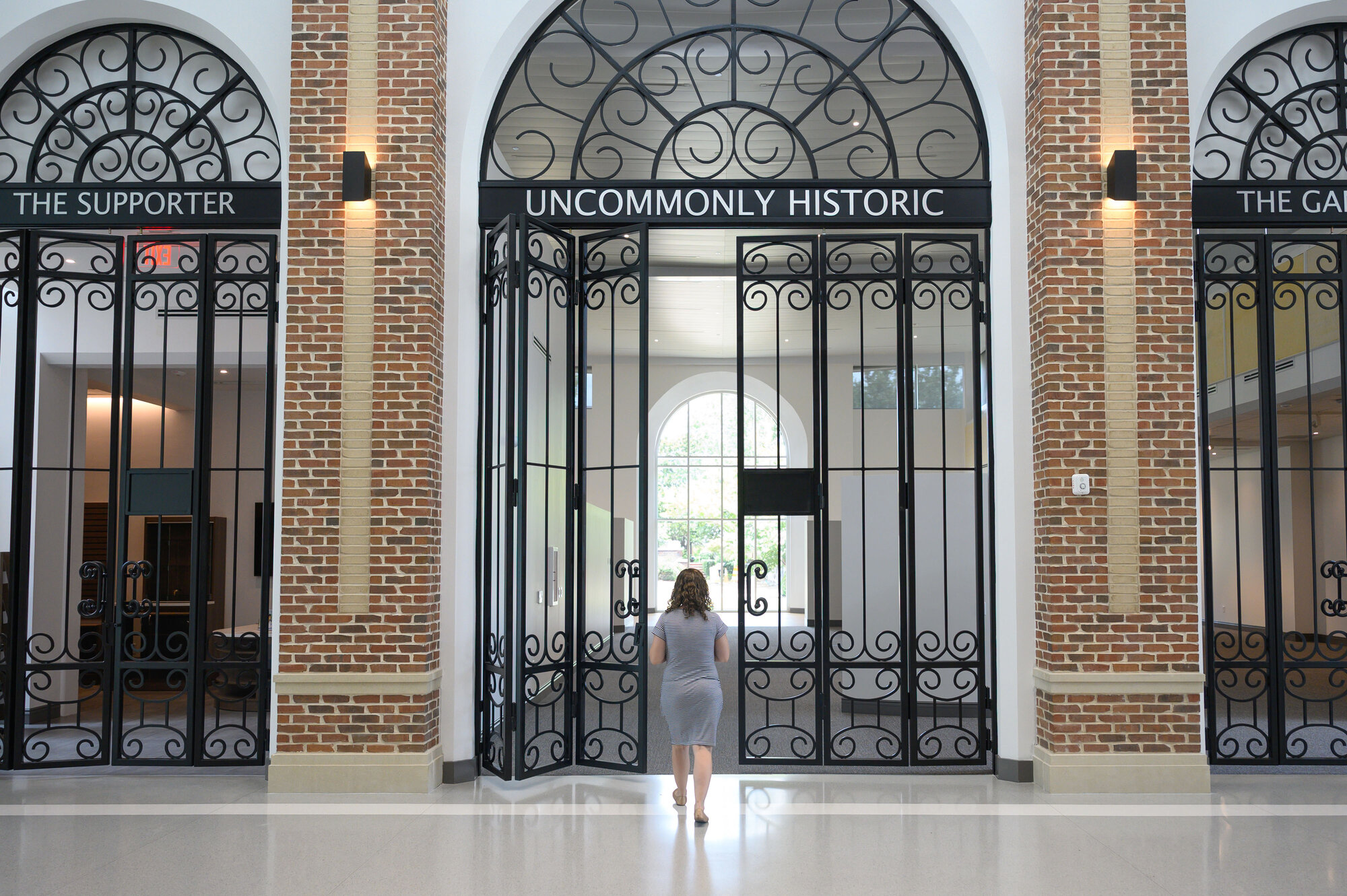
Set to open in 2027, the 36,000-square-foot Sumter Military Museum will become the newest chapter of the museum campus, housing a permanent exhibit honoring local veterans while tracing the county's legacy from the Revolutionary War through modern conflicts. According to Rivers, in one of the museum's largest interactive components, visitors will find immersive galleries, interactive exhibits and a chronological history of Sumter that explains how the city earned its reputation for "Uncommon Patriotism." The museum will also feature a local veteran recognition wall, where photographs will rotate digitally, along with searchable kiosks allowing families to find relatives and learn about their service.
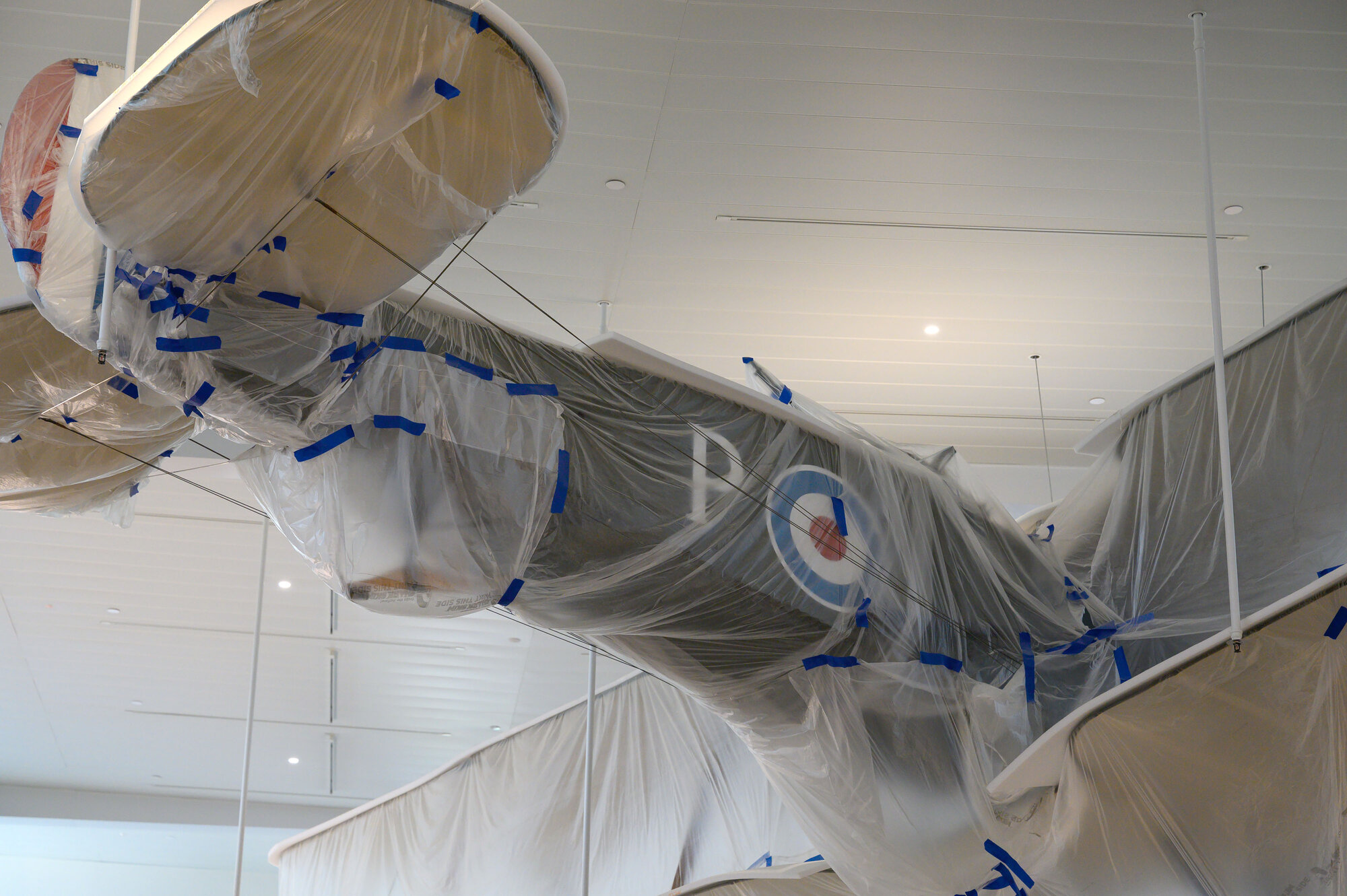
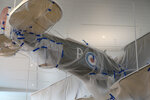
Among the museum's centerpiece artifacts is a restored Bristol F2B Fighter, the same type of World War I aircraft flown by Sumter native 1st Lt. Ervin David Shaw. Constructed largely of wood, canvas and paper with an open cockpit for two, the aircraft offers visitors a glimpse into the earliest days of military aviation.
For Rivers, the building is far more than steel and brick. It fulfills a vision first imagined by Sumter historian and Item archivist Dr. Sammy Way, whose decades spent preserving military memorabilia grew into a collection too large for its original home.
"He had an incredible vision to create a display honoring our local veterans, and it really grew faster than he had space for, so we are very honored with the opportunity to help preserve that collection and share it with our community for future years," she expressed.
A separate gallery will include the Thomas Sumter Interpretative Center, which focuses on the general's life before, during and after the Revolutionary War. Renowned American wildlife artist and sculptor Grainger McKoy will also have a dedicated gallery inside the museum to show sculptures, his design process and models of his most beloved pieces displayed in Sumter.
The museum will also rotate exhibits, ensuring each visit offers something new.
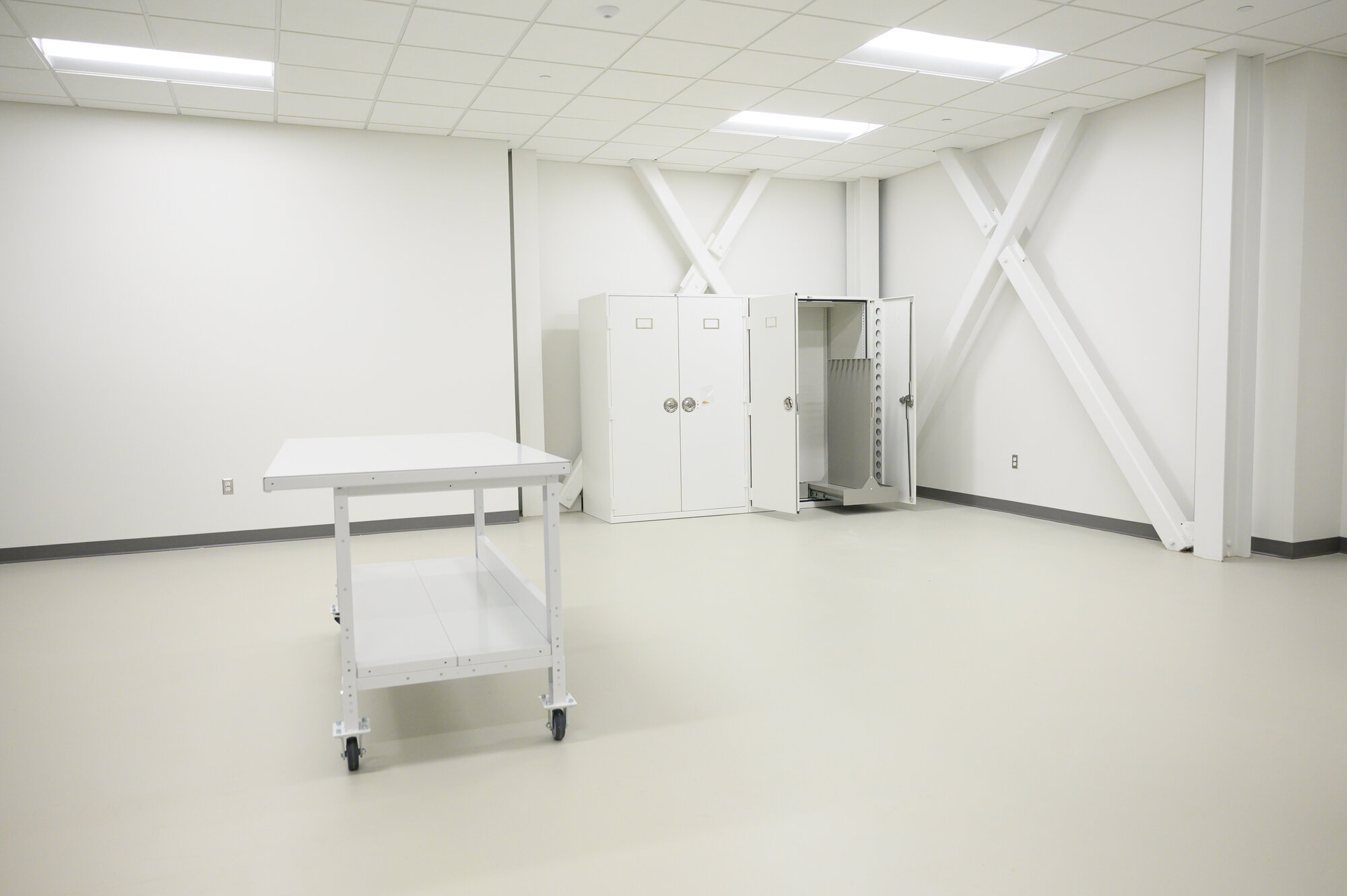
Visitors may remember the exhibits, but Rivers hopes they'll also appreciate the unseen work that goes into taking exhibits from artifact to gallery. Behind the scenes, the new museum houses dedicated collection storage and conservation spaces where every artifact is carefully documented, photographed and preserved using climate controls, specialized shelving and fire protection systems designed to safeguard history itself. It's meticulous work, often invisible to the public but essential to the museum's mission. After all, preserving Sumter's story doesn't begin when an artifact goes on display. Rather, it begins when someone decides its story is worth saving.
"We get a lot of positive feedback from our visitors by just seeing what we have on display in the museum exhibits when they compare it with their communities. We take a lot of pride in our history, and just looking at this building, you can see that history is very important to the Sumter community as well as the military," Rivers explained. "I'm hoping that we embody the significance of that history and people see that."
For Rivers, as the museum's executive director, behind every exhibit, artifact and restoration is the belief that history shapes identity. Whether someone has lived in Sumter their entire life or is a visitor for the first time, she hopes they will have a greater understanding of the people, places, events and decisions that built the community they see today.
Perhaps that's why her own journey feels so fitting. The little girl who once knew Sumter as a familiar stop between Myrtle Beach and Columbia now spends her days hoping people will stay a little longer. To step inside and ask questions. To linger over the stories that might otherwise be forgotten. Because if the museum and its facilities teach visitors anything, it's that understanding where a community has been is often the first step to understanding where it's going.