
Past is Present, presented by Sumter Museum: Shonda English carries forward the music, ministry and memories her father left behind
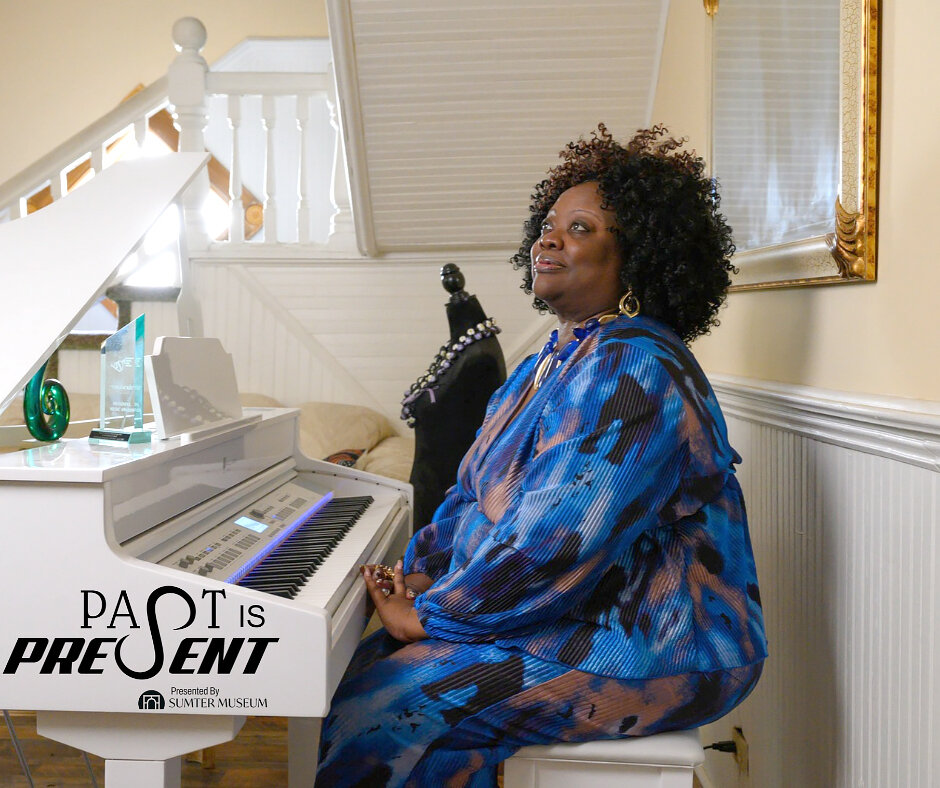
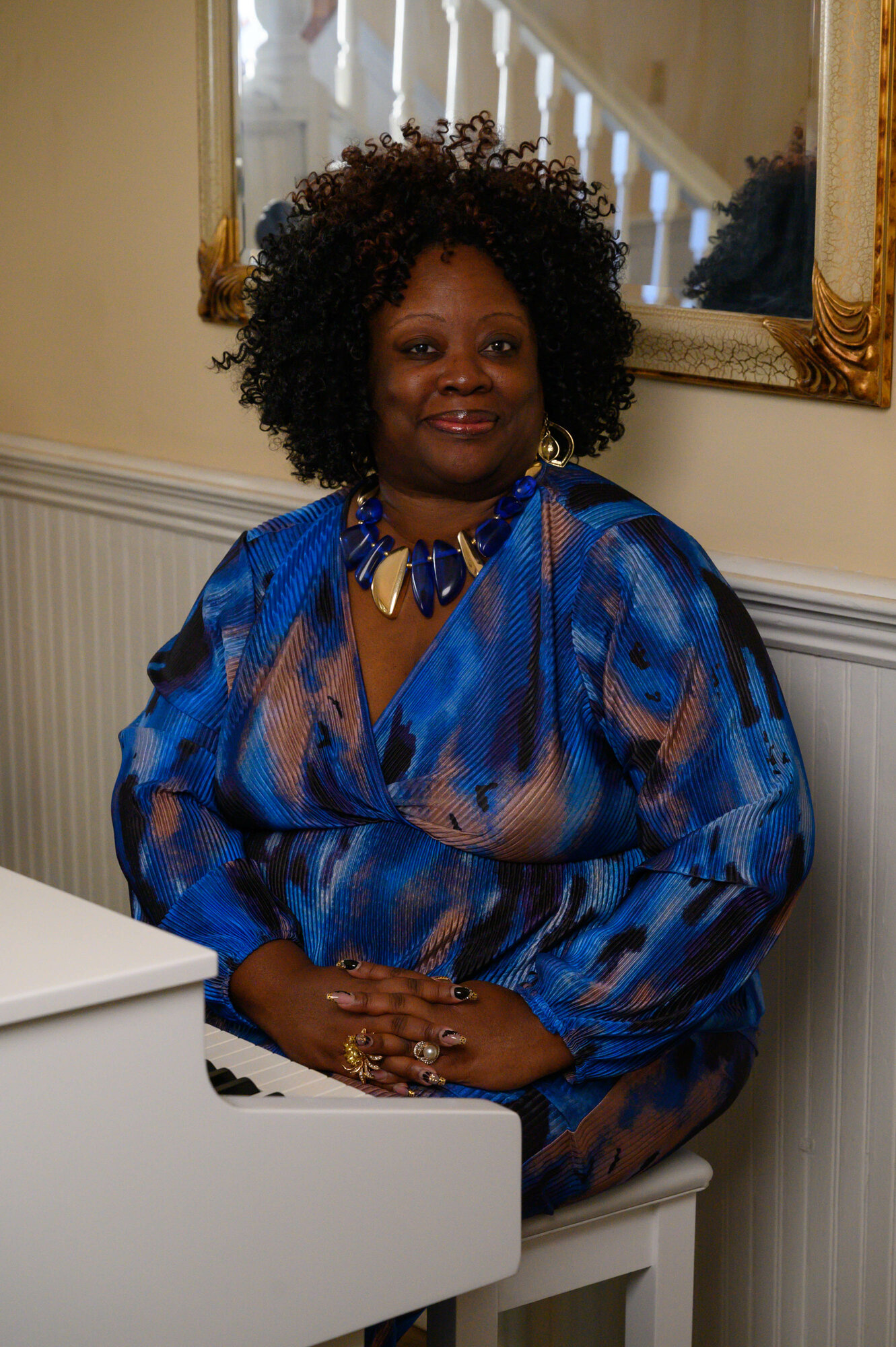











Home is where the heart is.
No matter if it's a person, a place or a feeling, home is where we find pieces of ourselves, remember where we came from and figure out where we're headed.
For Shonda English, home has never been just one place.
From Boston to Sumter, from the church pews to the recording studio, from the house to the park, that feeling of home is something she has spent her life finding, fostering and carrying to her next chapter in life. And when the people who gave those places meaning were no longer here, she found a way to carry them with her.
But first, she'd have to help carry in some moving boxes.
Sumter was not Shonda English's first home. Though her father, Bishop W.T. English, was from Sumter and her mother from Cheraw, the two met in Long Beach, Long Island, New York. A military man, her father's career led the family to settle in Boston, where Shonda and her sister were born. There, they bought a three-story family home and built a life for the family. They still visited Sumter, taking trips down Interstate 95 to stay connected with loved ones. When the bishop left Sumter during segregation, he sought better opportunities. But much like Shonda, there was something that called him back home.
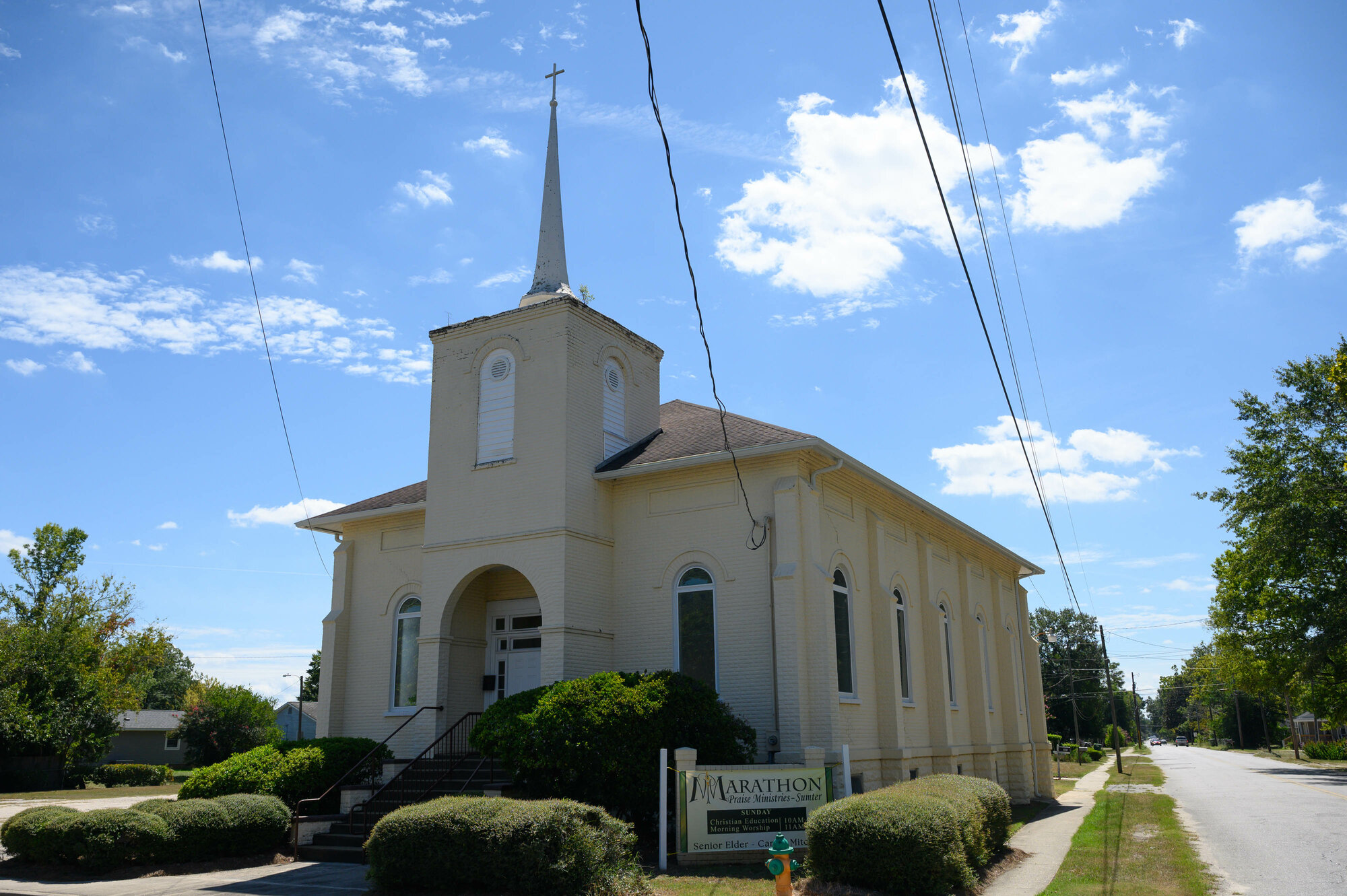
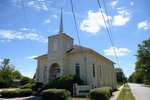
That calling eventually led her father back to Sumter in the 1970s and into ministry, founding Greater St. Paul Non-Denominational Church in 1976. Today the church carries a new name - Marathon Praise Ministries, led by Bishop Adrian Green, who grew up in Greater St. Paul. However, for a young Shonda, returning south wasn't exactly a seamless homecoming. Rather, it was a culture shock.
"My oldest sister, Cheryl, got physically sick. I could not get used to the South, the bugs, the heat. It's been plenty of times my mother almost wrecked the car because a fly landed on my knee, and I'm having a fit because I don't know what that is. And then the story of me poking a stick at a snake because I think it's a worm," she said through laughter. "You know, those are things we had to get used to."
Still, somewhere between the unfamiliarity and the adjustment, Shonda began to find pieces of home and a melody to set them to.
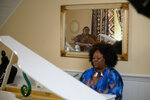
Music had been part of Shonda's family before she was old enough to understand its impact. Her father was one half of the gospel duo the Gospel Encores and remembered recording for HOB Records alongside some of gospel's most prominent names of the era. She grew up going to rehearsals, hanging out in the recording studio or playing the piano keys to keep herself busy and out of the way.
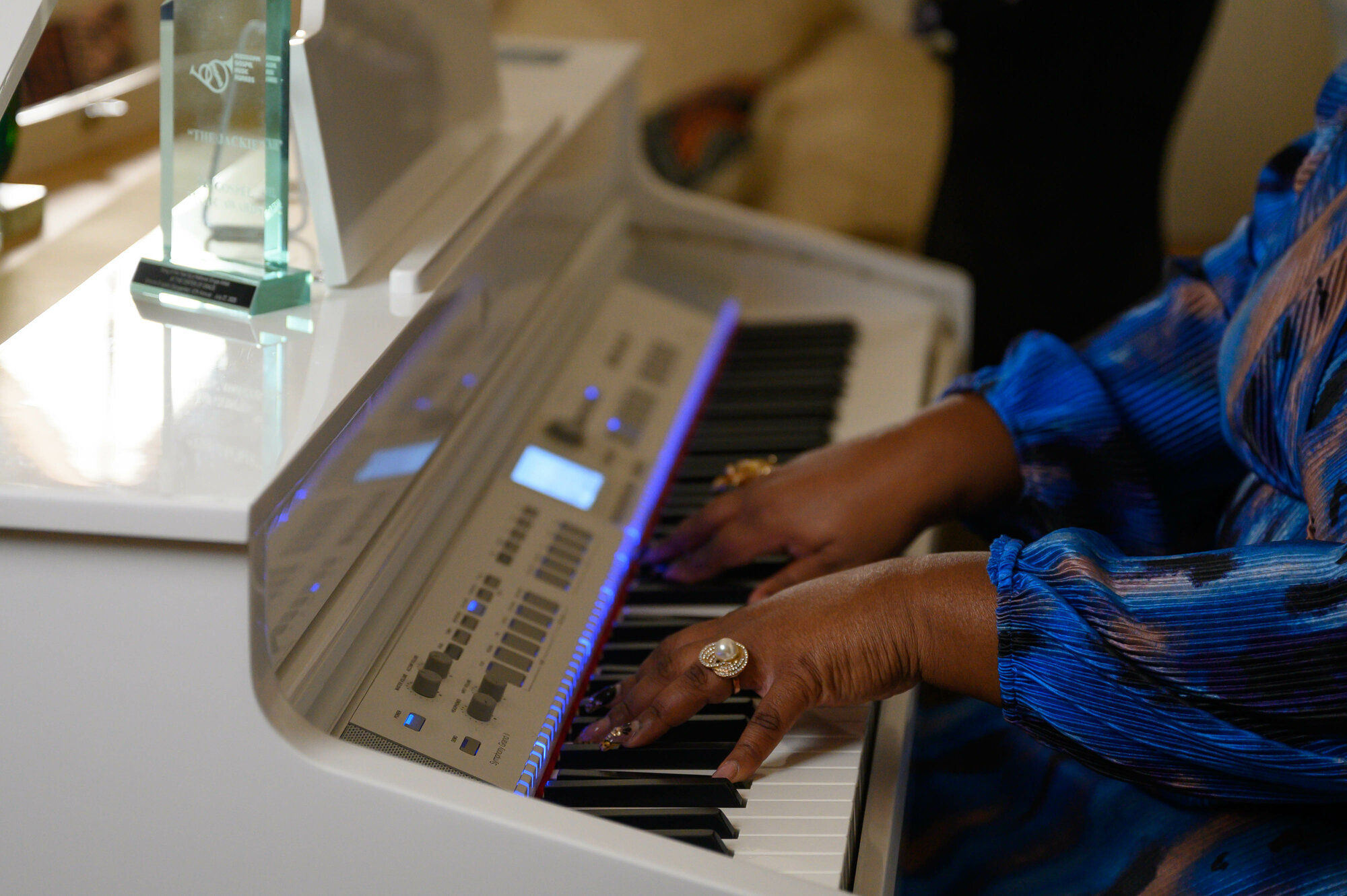
The piano eventually became a Rosetta Stone for Shonda's own musical expression. Her mother first noticed Shonda playing melodies no one taught her. By about the age of 7, she was playing for Greater St. Paul's youth choir despite her feet not reaching the pedals. There was no sheet of music notes guiding her fingers. She played by ear - "a God-given talent," as she described it. Those talents would be nurtured under the late Albert Linton, who realized that her ear was something special. Rather than simply teaching her how to play notes, he concentrated more on the theory of music and how it worked as a language. She learned to read music more formally through playing flute in the school band and studying vocal and choral theory in high school. By the time she was a junior, she was directing her own choir. Though some of her members were older than her, the age and experience didn't matter because she found something they all could understand: music.
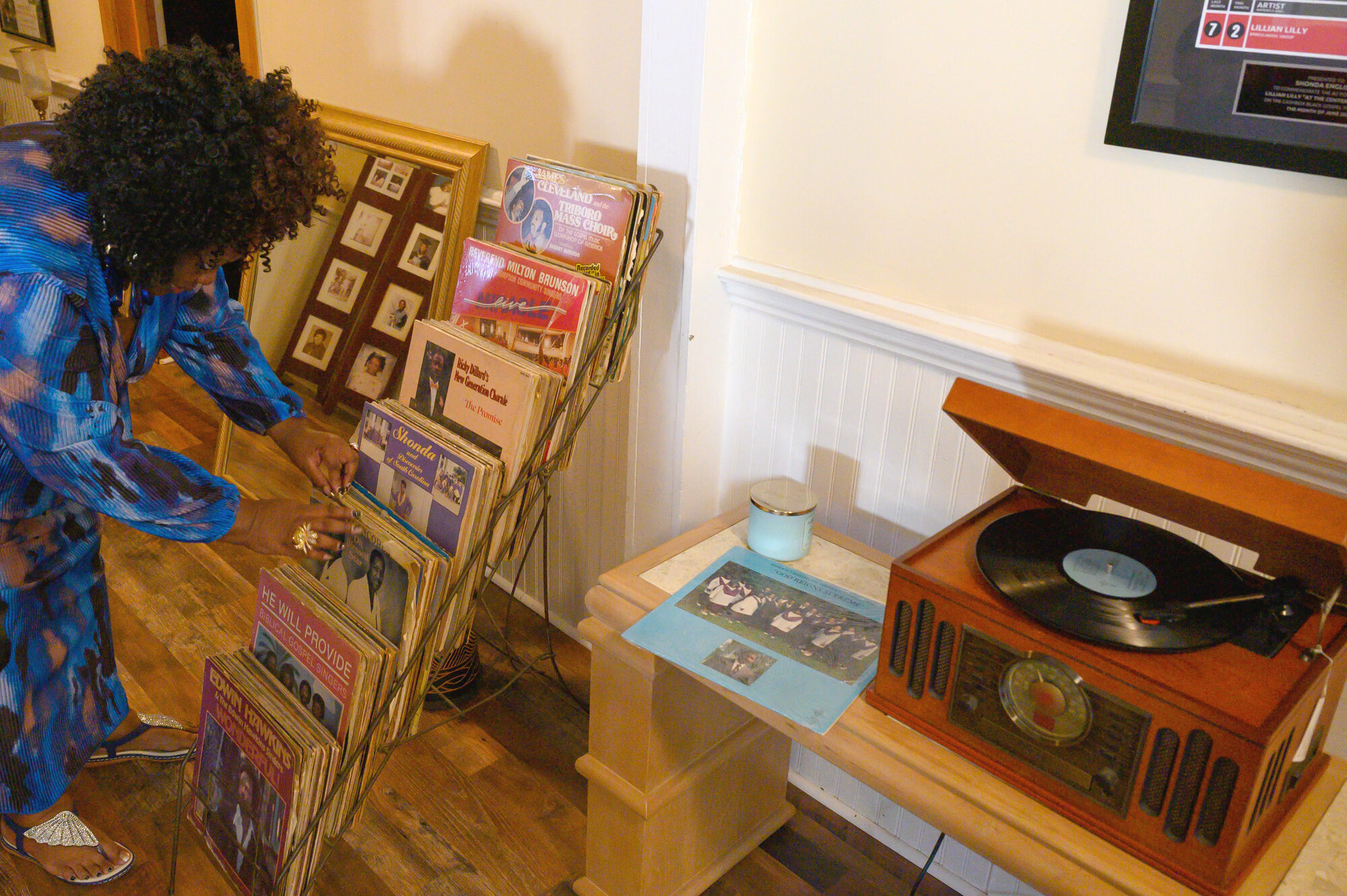
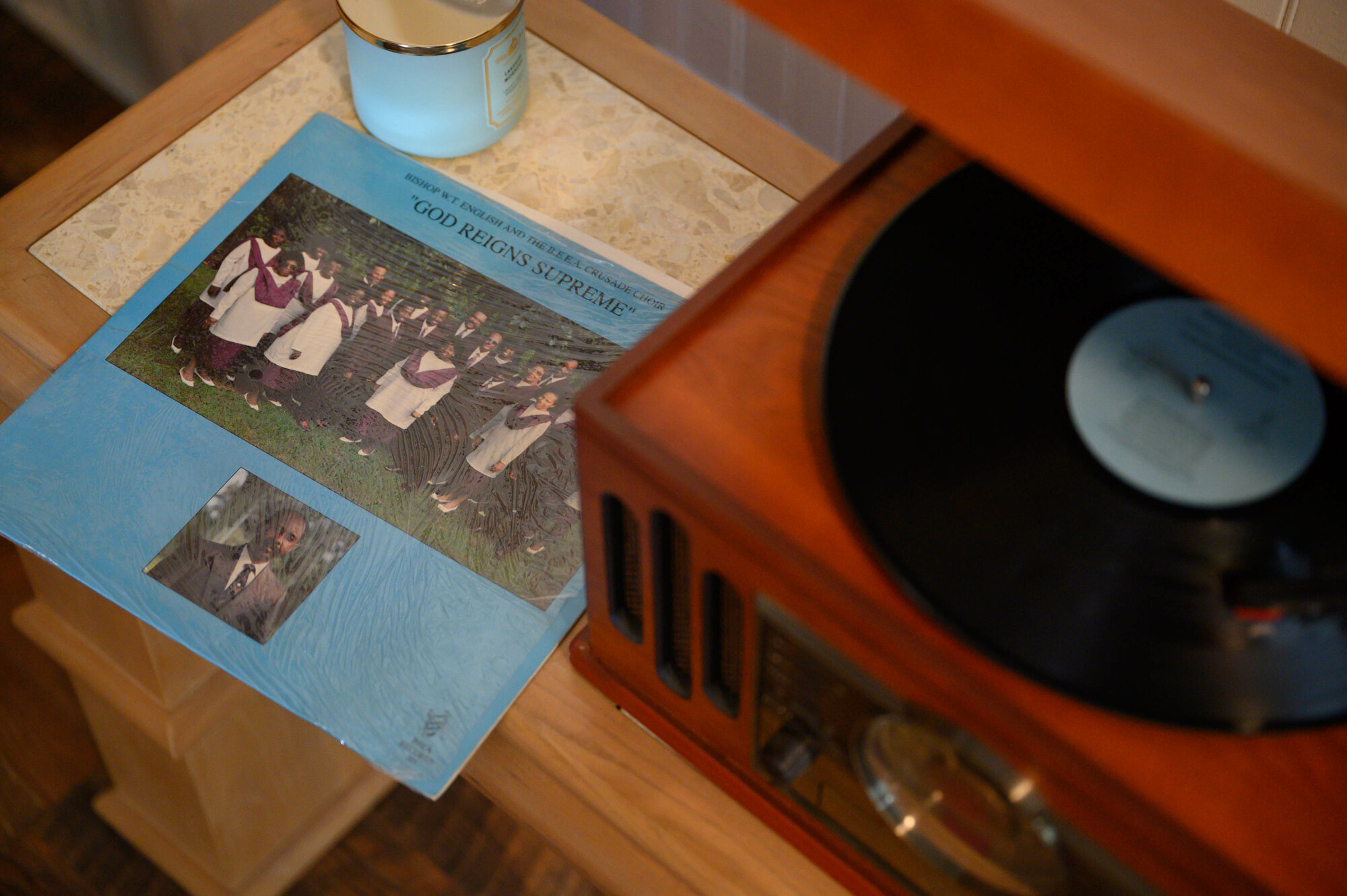
Her first studio experience was in the eighth grade when she recorded with her father and his choir, BEEA Crusade Choir. It was then she caught what she calls "the studio bug." Right out of high school, she released her first vinyl, "Shonda and Discoveries of South Carolina." The little girl who once sat alongside musicians was now carving her own space as one.
Years later, she would go on to co-write hits for various well-known gospel artists, earning awards and accolades of all kinds along the way, including recognition from Rhythm of Gospel Awards and Victory Gospel Awards. Shonda would leave the classroom in 2013 to pursue gospel music full time. She found her footing and put passion behind her purpose.
With so much success, she credited her faith and her father.
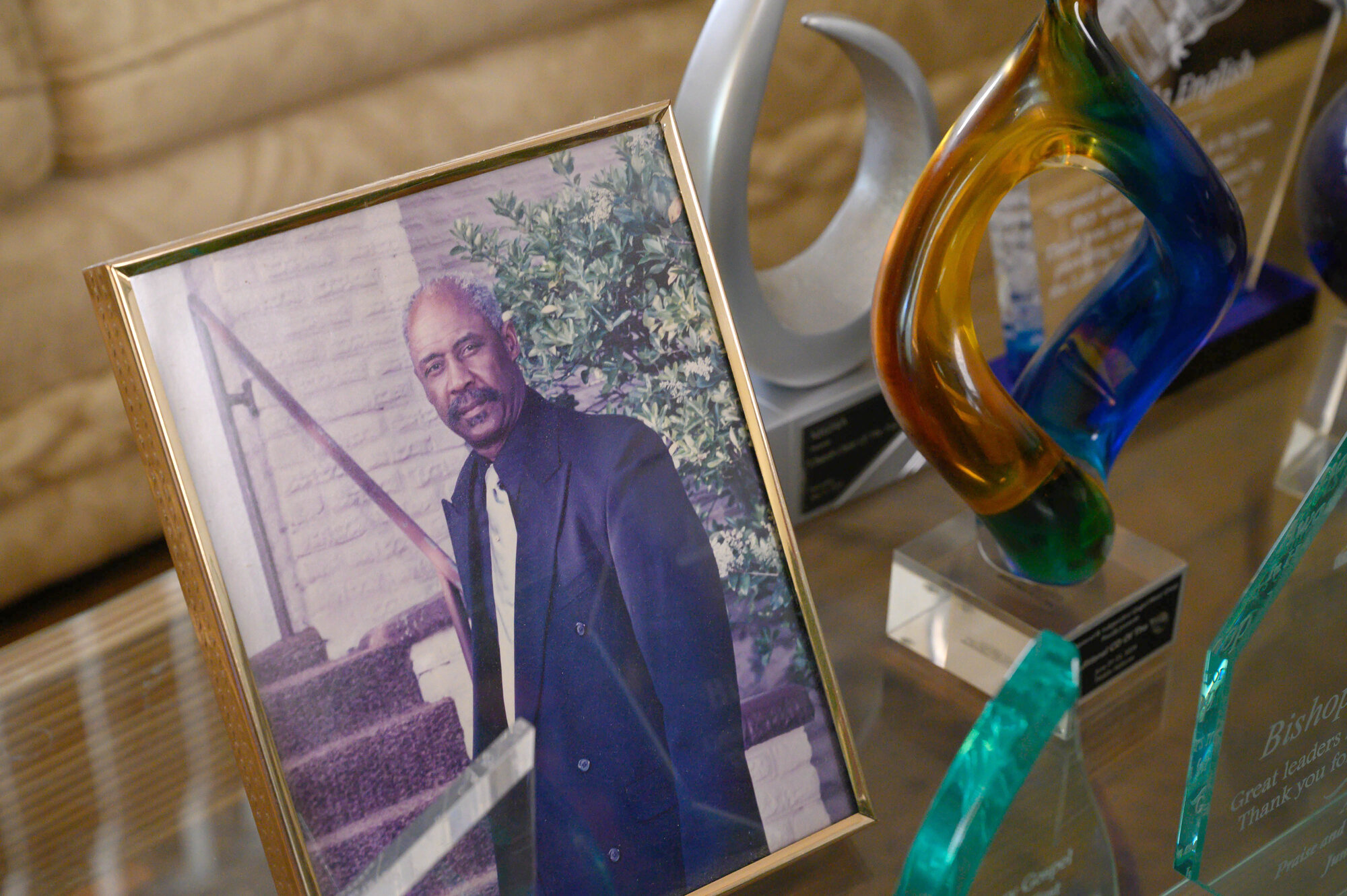
Bishop English taught Shonda work ethic and business sense, showing her that a musician could be more than one thing at a time - he often used Dr. Mattie Moss Clark, the mother of the renowned Clark Sisters, as an example, as she played the organ, directed and sang. It was that kind of versatility that her father admired. It would be the kind of musician Shonda would become.
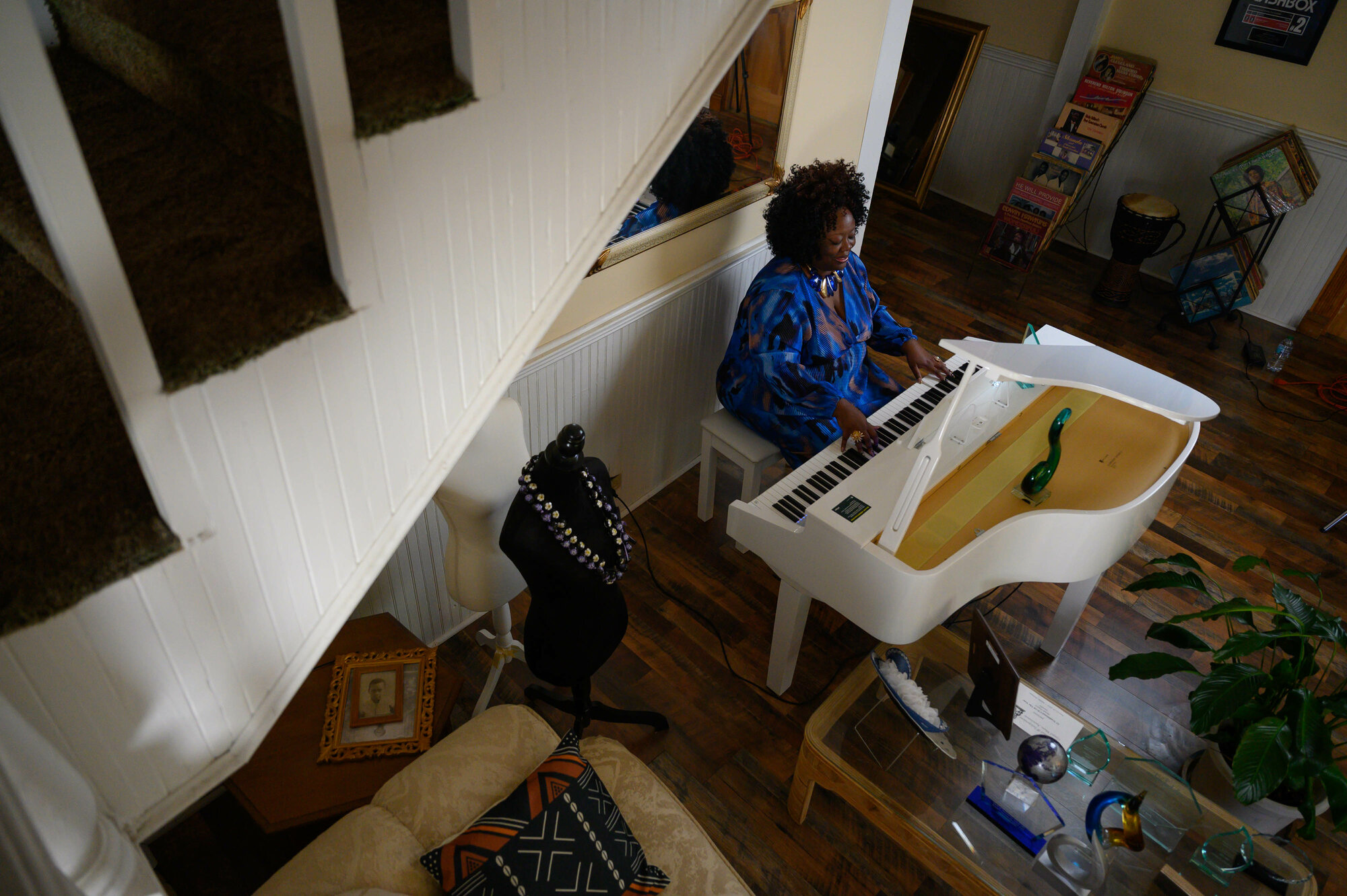
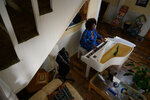
Between her father's teaching of purpose and her mother's lessons on how to be a lady, Shonda learned how to conduct herself and how to build something, which is why she sought to build on her father's legacy by keeping it alive. She lives in the family's 1919 home in Sumter, the very house her father saved from demolition and restored. The property became part of Sumter's history, as evident by the historical marker that recognizes the site of Kendall Institute, where Mary McLeod Bethune once taught.
The home holds even more sentimental value to Shonda. She reminisced about the Bible studies that took place in the very room she was interviewed in. She searched her father's vinyl collection, laughing at the memory of how it was once off limits but now she listens to it at her leisure. She estimated she's moved in and out of the home roughly four times. Each time, something brought her back. It was after the passing of her mother in 2024 when she decided to stay. If she couldn't have her parents, she could still have the place they left behind. And inside, she could still find them.
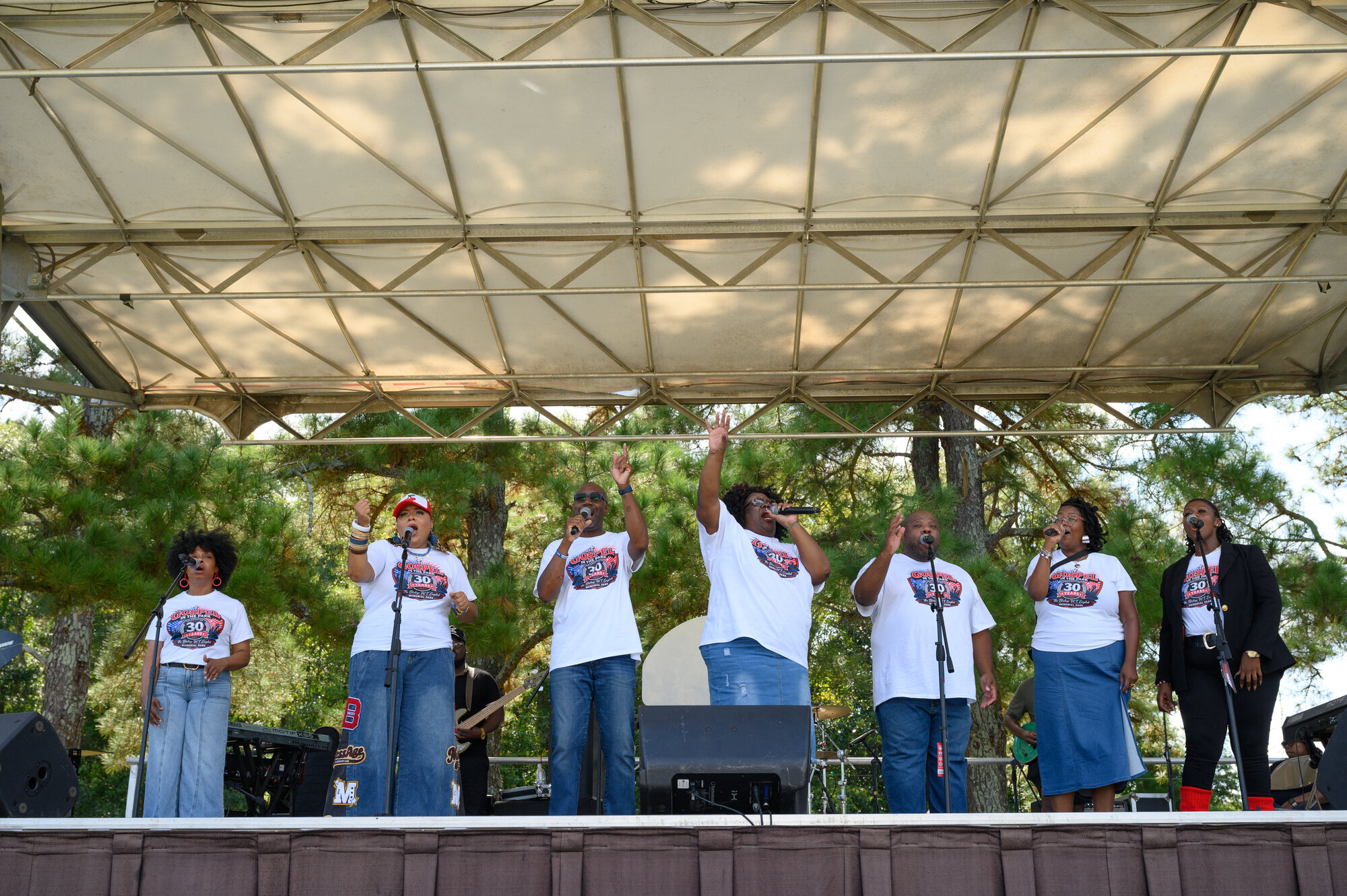
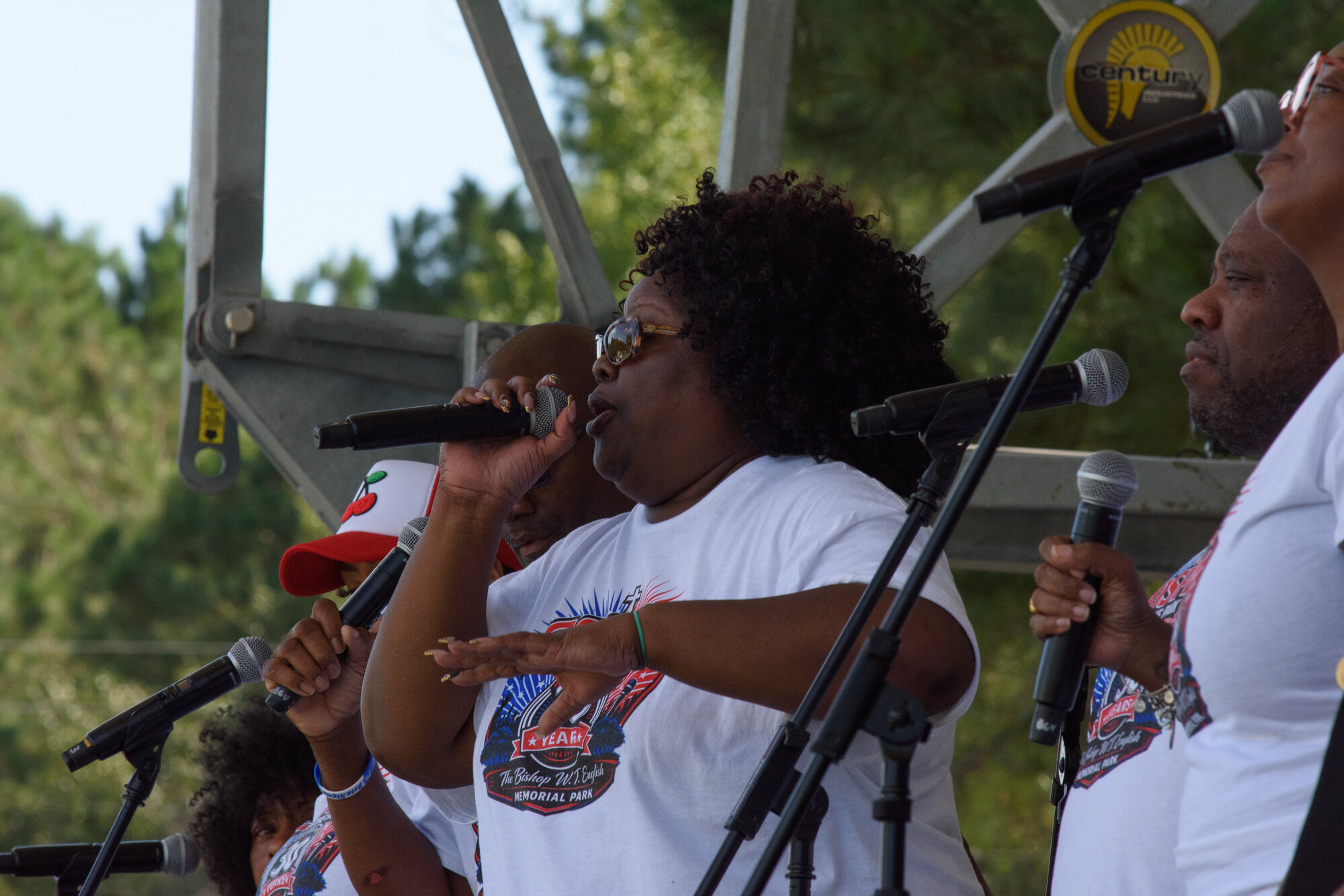
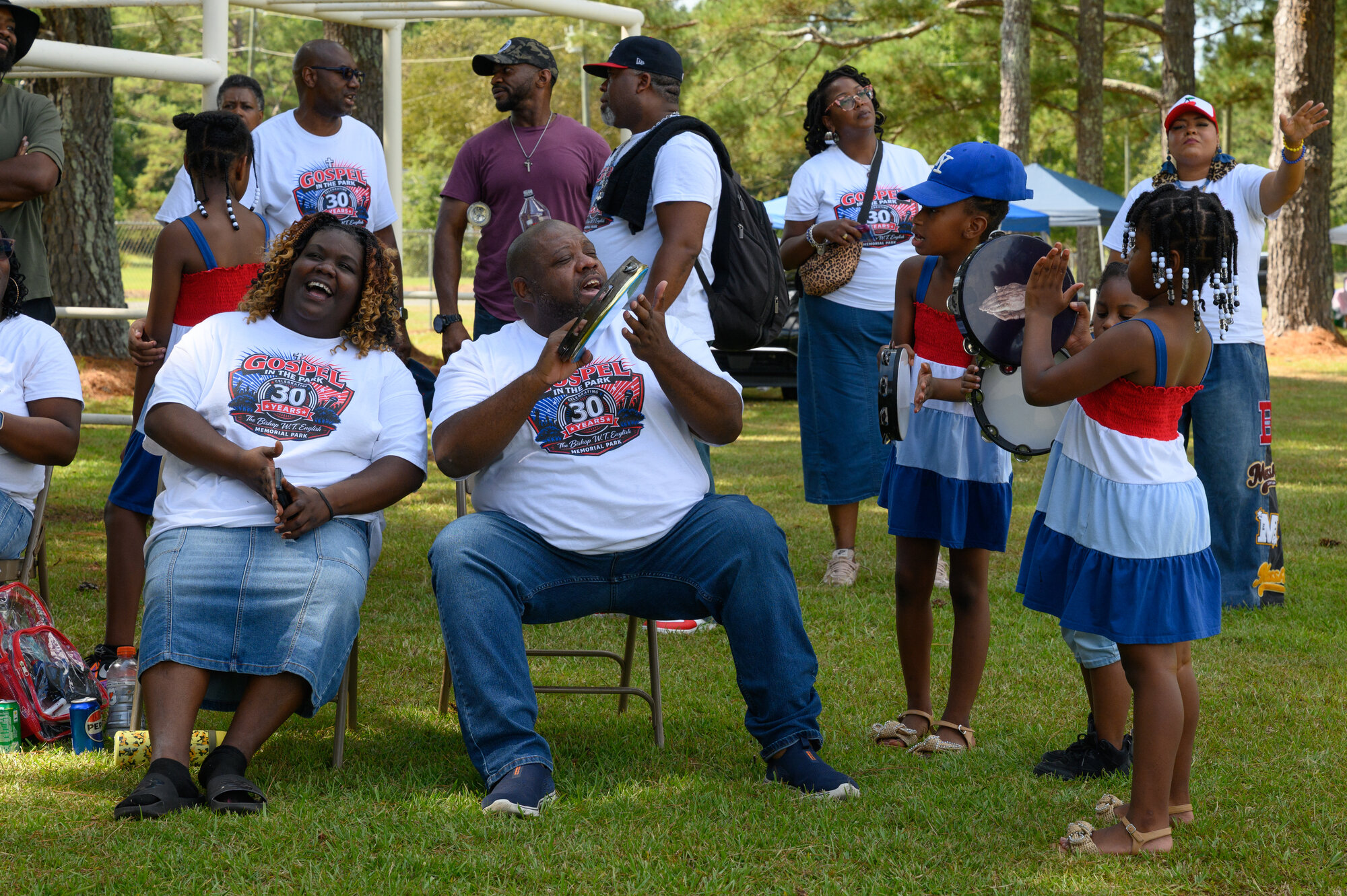
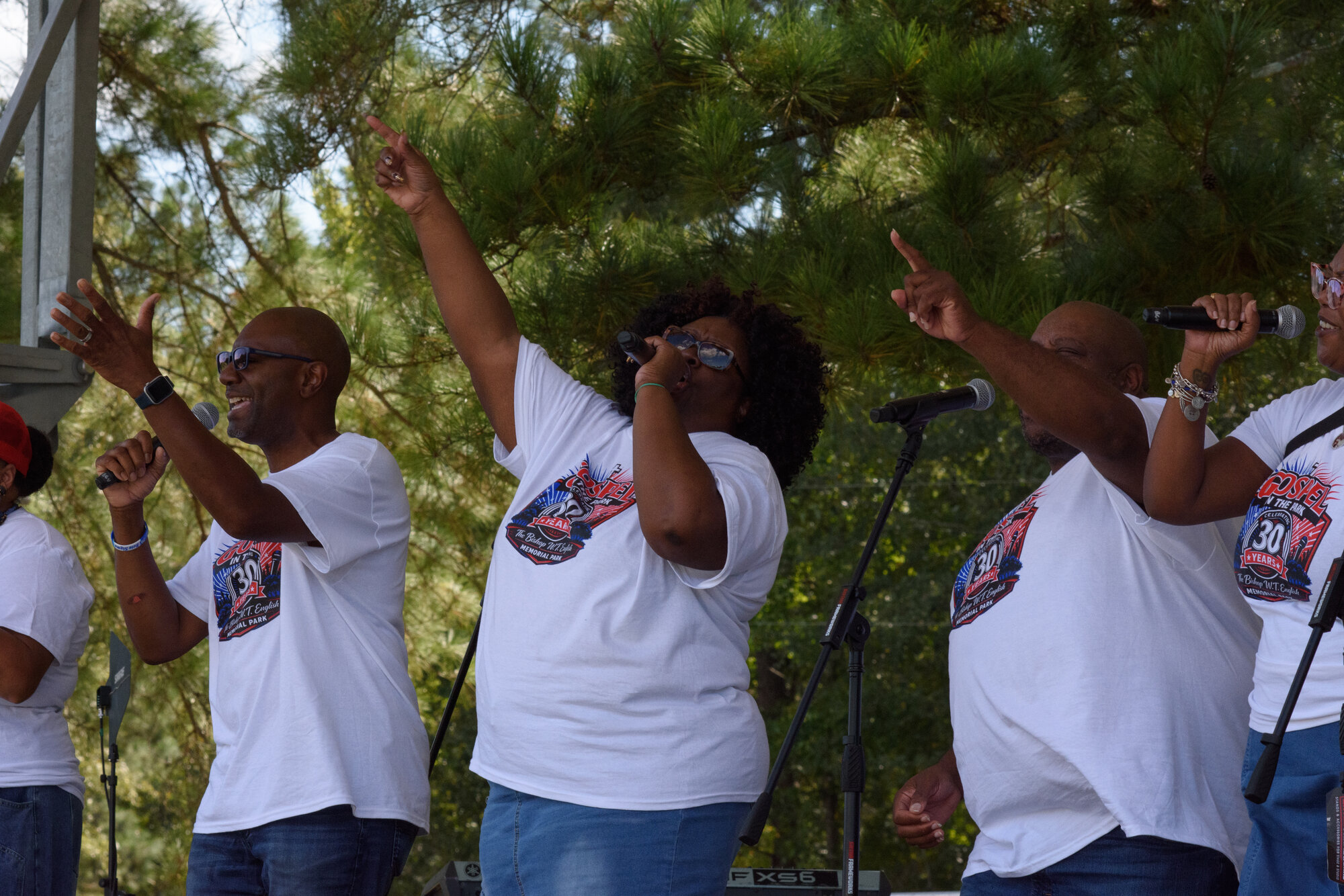
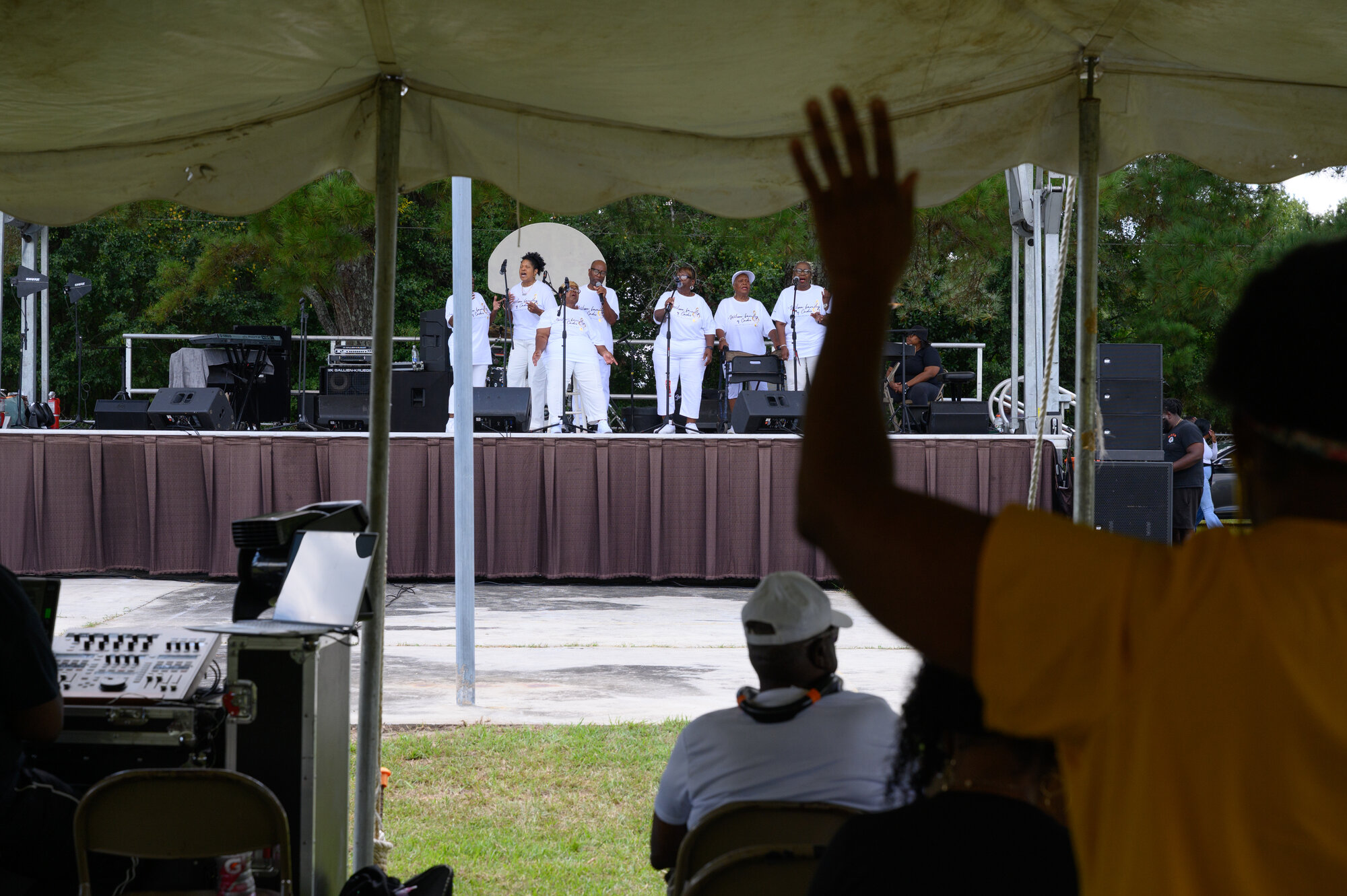
But if the house held her father's memory, the park holds his purpose. Bishop English founded Gospel in the Park 30 years ago at what is known today as the Bishop W.T. English Memorial Park as a way to bring people together across denominations. While churches can bring folks together, they can still be among the most segregated spaces.
"I go to my church, you go to your church, I go to this church. I'm over here, you know, I travel to church, but when do we ever come together? When do we break those lines of denomination?
"When do we break the racial lines and come together? We're all saying we serve the same God, one Lord, one faith, one baptism - we say that, but when do we actually do it? When do we show it?" she questioned. "When he started [Gospel in the Park], I wasn't really thinking that. I just thought, 'Daddy got this land, let's go ahead and do something, let's have a concert.' But it was beyond that."
The event became an annual tradition. When her father died, many regular attendees questioned what would become of the beloved event. Shonda simply said it would go on. She had watched the bishop host the event for years. She knew what was required and knew how her father wanted it done. At first, she thought she might eventually scale back or step away. When she tried, the community reminded her not only of the event's sentimental value, but also of how the venue bears her father's name, a reason to keep his legacy alive. So, Shonda kept going. In the years since, she has found her own reminders of why. Like the 89-year-old grandmother who was brought to the event by her grandson. The woman rarely left her house, except for Gospel in the Park. There, she clapped in time, she sang along, and she enjoyed herself. That, Shonda believed, is what her father was trying to create.
The interesting thing about inheritance is that we don't realize the weight of what we've inherited until we have to carry it. Shonda spent her life watching her father build, watching him use his struggles as momentum to make strides, watching him brave life's tests because he knew it was only another verse in his testimony. Then soon, she found herself standing where he stood. When it is time for her to take a step back from what her father has built, her nephew, Trey, has already expressed interest in continuing Gospel in the Park.
And that's the significance of inheritance. Once you understand its importance, you long for it to be stewarded well. Shonda charted her own path in life, but she also treasured what she inherited. In leaving behind his love for music, the spaces he would create in and the community he had built, he showed her what it looked like to build something and to keep showing up for it. Now, she decides what those things become in her hands. That's the difference between preserving a legacy and simply remembering one.
Every time she directs a choir, every time she plans Gospel in the Park, every time she plays a key, spins his vinyl collection or walks through the rooms of the house, she is showing what became possible because he was here. The past, for Shonda, is not behind her but beneath her feet, in the community she has nurtured and in the choices she makes of what comes next.
"If you don't remember your past, you don't know where you're going, you don't appreciate where you are and you may not understand the steps that are in front of you," she explained. "It's important to appreciate the past to know your past, know your history and know what it took to have it."
"I don't want people to forget, and I definitely want to keep my father's legacy alive."